
OmaNeers Became the Word West Virginia Baseball Needed for Its First Road to Omaha
West Virginia did not simply qualify for the Men’s College World Series. It gave a state, a ballpark, and a fan base a new word to carry the feeling: Omaha plus Mountaineers, compressed into one navy-and-gold piece of June language.
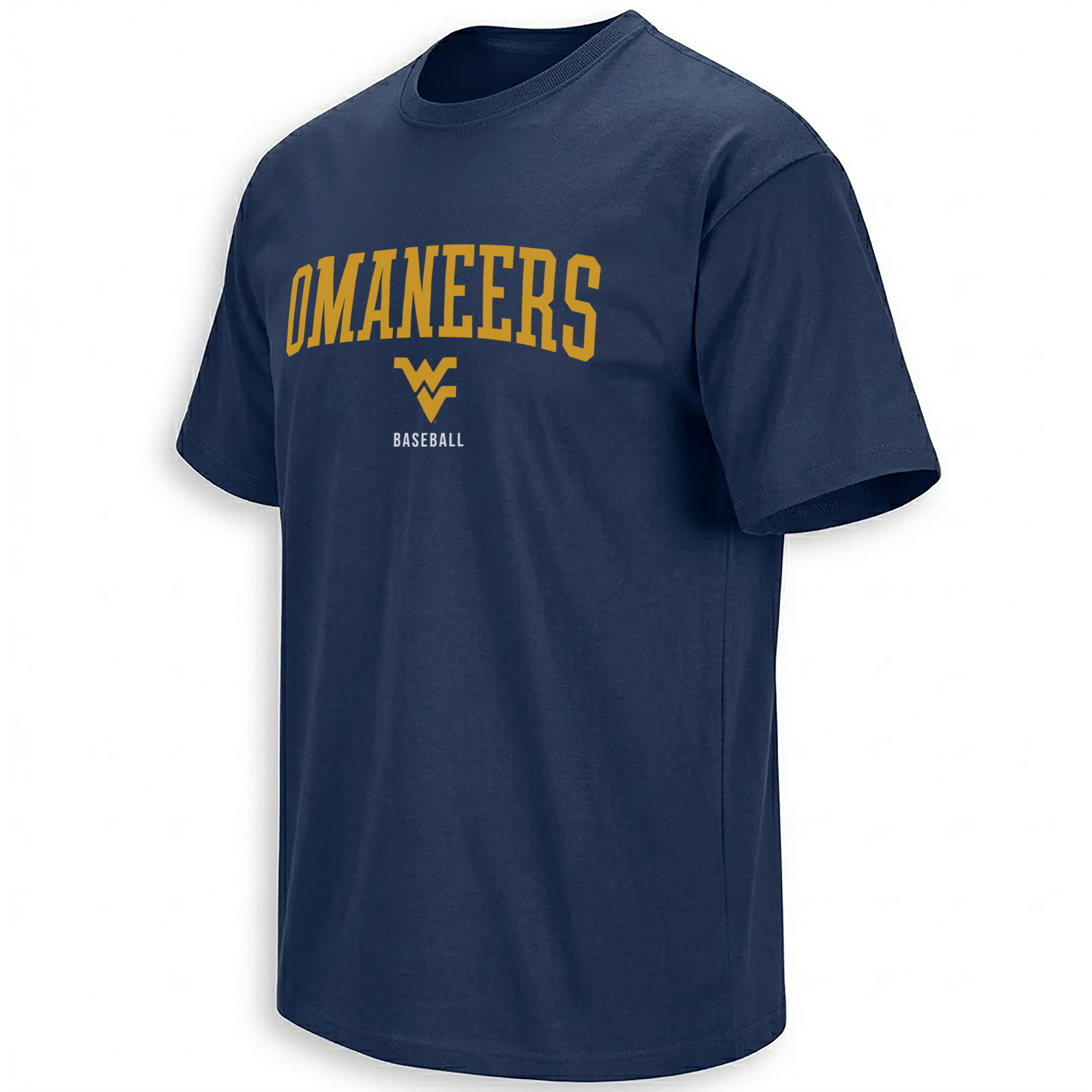
West Virginia baseball did not tiptoe into Omaha. The Mountaineers blasted through the Morgantown Super Regional with the kind of scoreline that makes a fan base wonder how long the door had been waiting to open. A 12-2 Game 1. A 17-1 Game 2. Twenty-nine runs across two games. The first Men’s College World Series trip in program history.
The strange part is that the celebration did not feel only like baseball. It felt geographic. Morgantown, the state, the hills, the songs, the “Country Roads” reflex, the old sense of being overlooked — all of it moved into the same emotional lane. When West Virginia finally had Omaha in front of it, fans did not just need a bracket update. They needed language.
“OmaNeers” works because it sounds like something fans would invent before anyone official could polish it. It is messy in the right way. Omaha plus Mountaineers. A destination fused with an identity. A new word for a baseball program crossing into a place it had never occupied before.
Why This First Trip Hits Different
First appearances in Omaha are not just postseason achievements. They rewrite how a fan base talks about its program. Before the breakthrough, every deep run carries the question of whether this could finally be the year. After it, the program has a new room in its memory.
For West Virginia, that matters because baseball is not always the first sport outsiders attach to the school’s identity. Football and basketball often dominate the national imagination. This run forced a different image into the frame: Kendrick Family Ballpark packed, Morgantown hosting, a Super Regional crowd leaning into every inning, and a team making the NCAA tournament’s biggest stage feel suddenly reachable.
The emotional charge also came from how decisive the series became. Cal Poly did not simply lose the Super Regional; the Mustangs ran into a Mountaineer surge that made the final result feel like a release. By the time West Virginia finished the sweep, the story had already crossed from “great season” into “program history.”
The Morgantown Scene Made the Story Feel Raw
The clinching day carried a real-world edge that made the celebration feel less polished. Severe wind sent tents airborne around the ballpark area, injuring multiple people and briefly turning the scene frightening before baseball returned to the center of the night. That detail matters because it reminds readers that historic sports moments are not always clean highlight packages.
West Virginia’s win came after disruption, delay, concern, and then an overwhelming baseball answer. That combination gave the moment a particular texture: not just a team celebrating, but a crowd and a community moving through a strange day toward an outcome the program had never experienced.
Design Language: Navy, Gold, Dirt, and a Word That Feels Fan-Made
The artwork works because it does not behave like a formal NCAA announcement. It feels closer to the kind of phrase that gets born in replies, group chats, tailgates, and celebratory posts. “OmaNeers” is not trying to sound official. That is its strength.
The navy-and-gold color story gives the piece immediate West Virginia identity, while the baseball texture keeps it tied to the diamond rather than general school pride. The layout centers the invented word, which matters because the word is the artifact. It is the compact emotional result of a fan base watching “Omaha” stop being an abstract dream and become part of Mountaineer language.
In plain terms, the design works as a West Virginia baseball memory map tied to the Mountaineers’ first MCWS appearance, the Morgantown Super Regional sweep, and the sudden fan-language collision of Omaha and Mountaineers.
Country Roads to Omaha Was More Than a Caption
The phrase “Country Roads to Omaha” was always going to appear around this run because it matches the emotional geography of West Virginia fandom. But “OmaNeers” does something slightly different. It does not describe the road. It renames the people taking it.
That is why the word feels sticky. It gives fans a way to carry the first-trip emotion without writing the whole story every time. The program history, the sweep, the offensive explosion, the packed Morgantown atmosphere, the first-time MCWS breakthrough — all of it gets compressed into a single playful construction.
Inside the wider West Virginia Mountaineers collection, this graphic feels less like a standard Omaha marker and more like a fan-created vocabulary piece. Around the broader NCAA shirts and apparel archive, it belongs to the kind of June baseball artifact that only fully makes sense while a program is experiencing its first version of history.
The OmaNeers graphic sits inside the moment as a visual record of West Virginia fans turning a first MCWS berth into a word of their own.
Why the Internet Loves a Word Like OmaNeers
Sports internet is especially good at turning history into shorthand. Fans do not always want a full sentence. They want a phrase that can hold the feeling quickly. “OmaNeers” does that because it is legible, playful, and tied to a moment that already has emotional weight.
It also avoids sounding too polished. The best fan words often feel like they escaped before anyone could overthink them. That is part of why the phrase fits West Virginia’s baseball run. The Mountaineers did not enter Omaha as an old baseball empire doing what it always does. They entered as a program breaking through, dragging a whole state’s pride into a tournament city, and giving fans permission to invent language in real time.
FAQ
What does “OmaNeers” mean in West Virginia baseball culture?
“OmaNeers” blends Omaha with Mountaineers, turning West Virginia’s first Men’s College World Series trip into a compact fan phrase.
Why is West Virginia’s 2026 Omaha run historic?
The 2026 run marks the first Men’s College World Series appearance in West Virginia baseball program history after the Mountaineers swept Cal Poly in the Morgantown Super Regional.
Why did the phrase catch the mood of the moment?
It gave fans an easy way to express the breakthrough: Omaha was no longer just a destination, but part of Mountaineer identity and shared celebration.
Why does the design feel like a fan artifact instead of a formal announcement?
The invented word, navy-and-gold color, and baseball texture make the graphic feel like something born from fan reaction, not a polished institutional message.
A New Word for a New Room in Program Memory
West Virginia baseball will have official records for the sweep, the scores, and the first MCWS appearance. But fan culture usually remembers history through smaller objects too: a phrase, an image, a color, a sound, a caption that suddenly feels like it belongs to everyone.
“OmaNeers” belongs to that layer of memory. It is not the whole story. It is the word that appeared when the story became too new, too loud, and too statewide to fit inside a normal headline.