DODGERS BACK IN THE ’80s
Eight modern Los Angeles stars, vintage trading-card designs and a fictional trip through baseball’s loudest decade — from Topps portraits to Donruss mullets and Fleer-style photography.
The Los Angeles Dodgers are heading back to the National League Championship Series. On October 7, 2026, they eliminated the Atlanta Braves with a 4–1 victory in NLDS Game 4, securing a third consecutive trip to the NLCS. Andy Pages delivered the decisive two-run single, and Max Muncy added a ninth-inning homer. Next comes another October meeting with the Milwaukee Brewers.
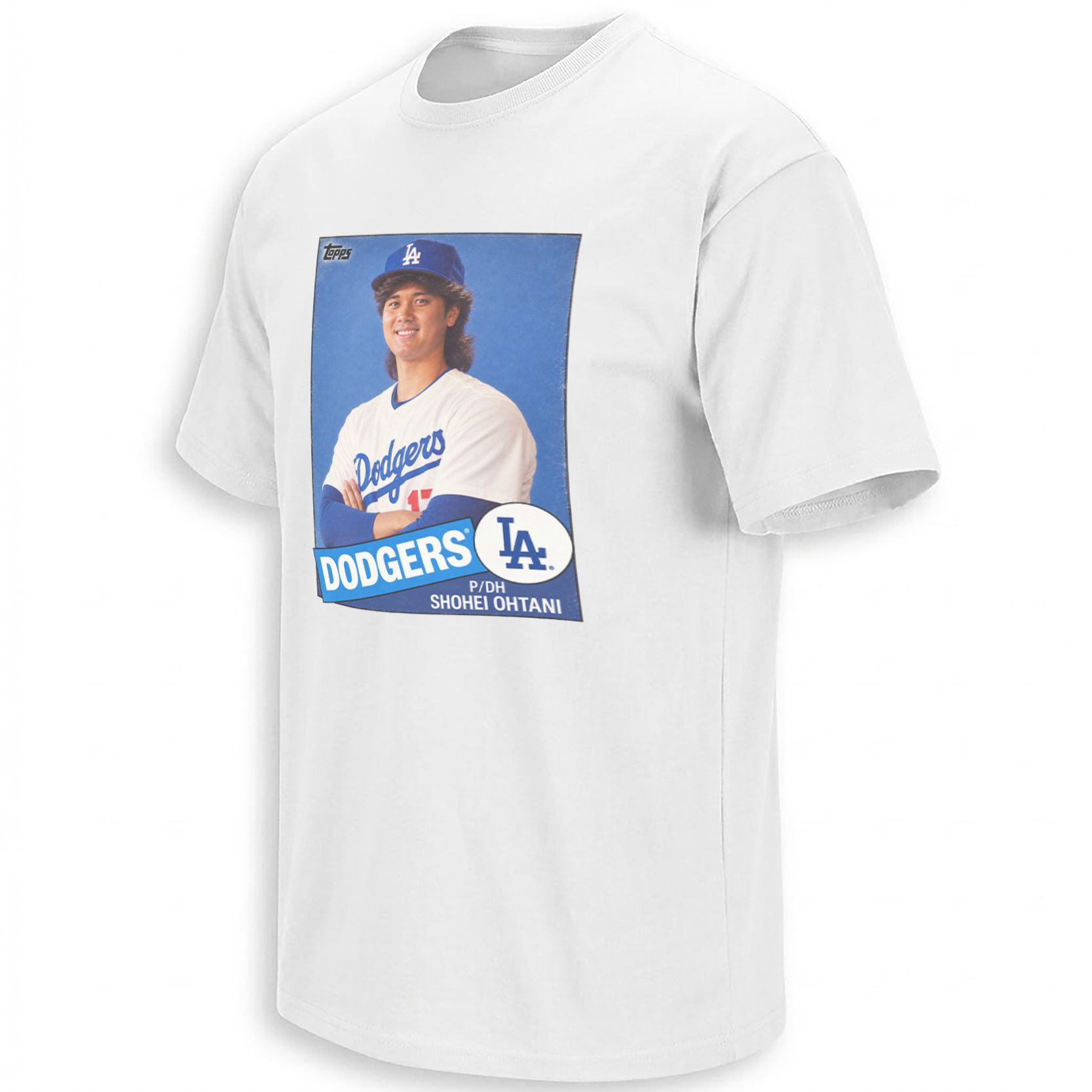
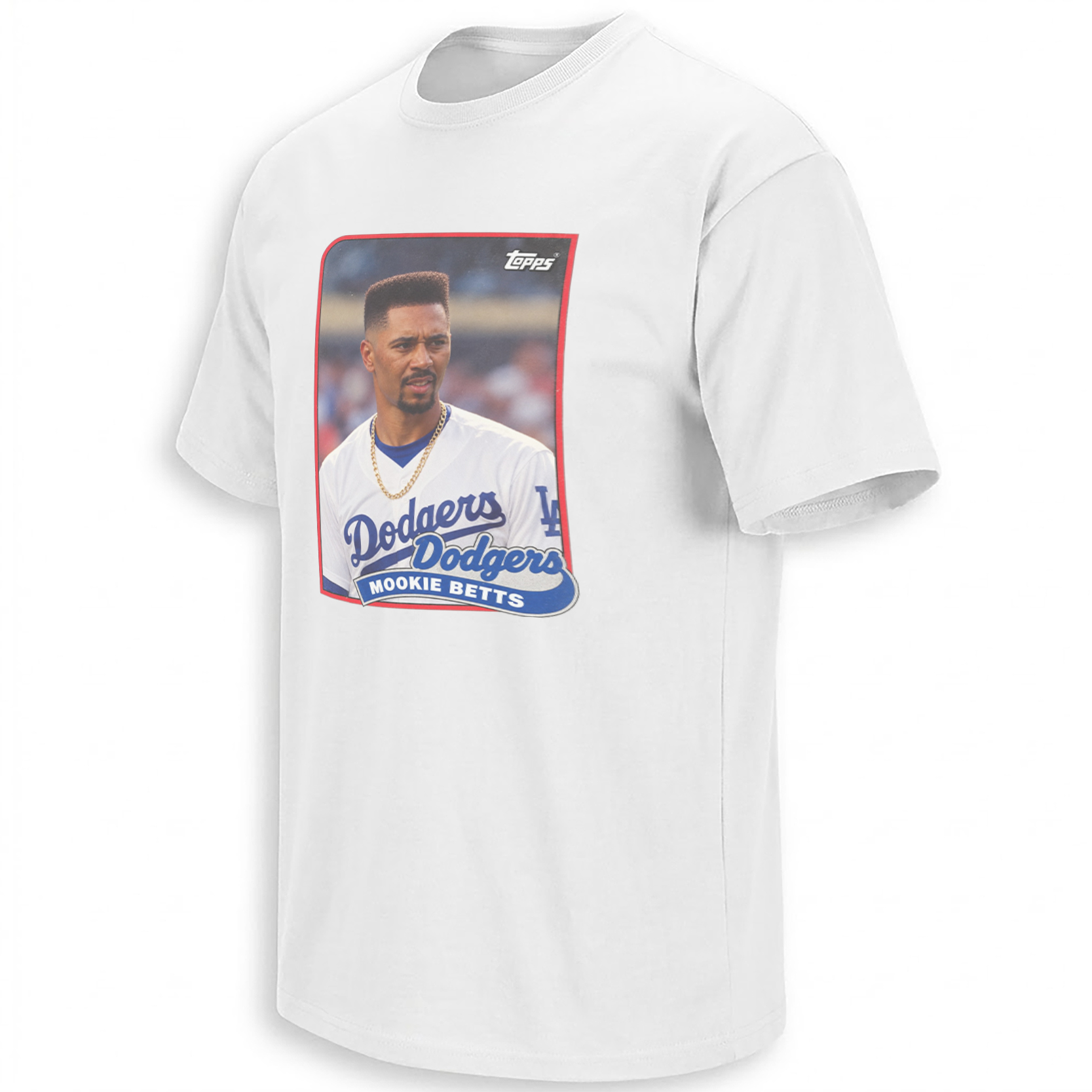
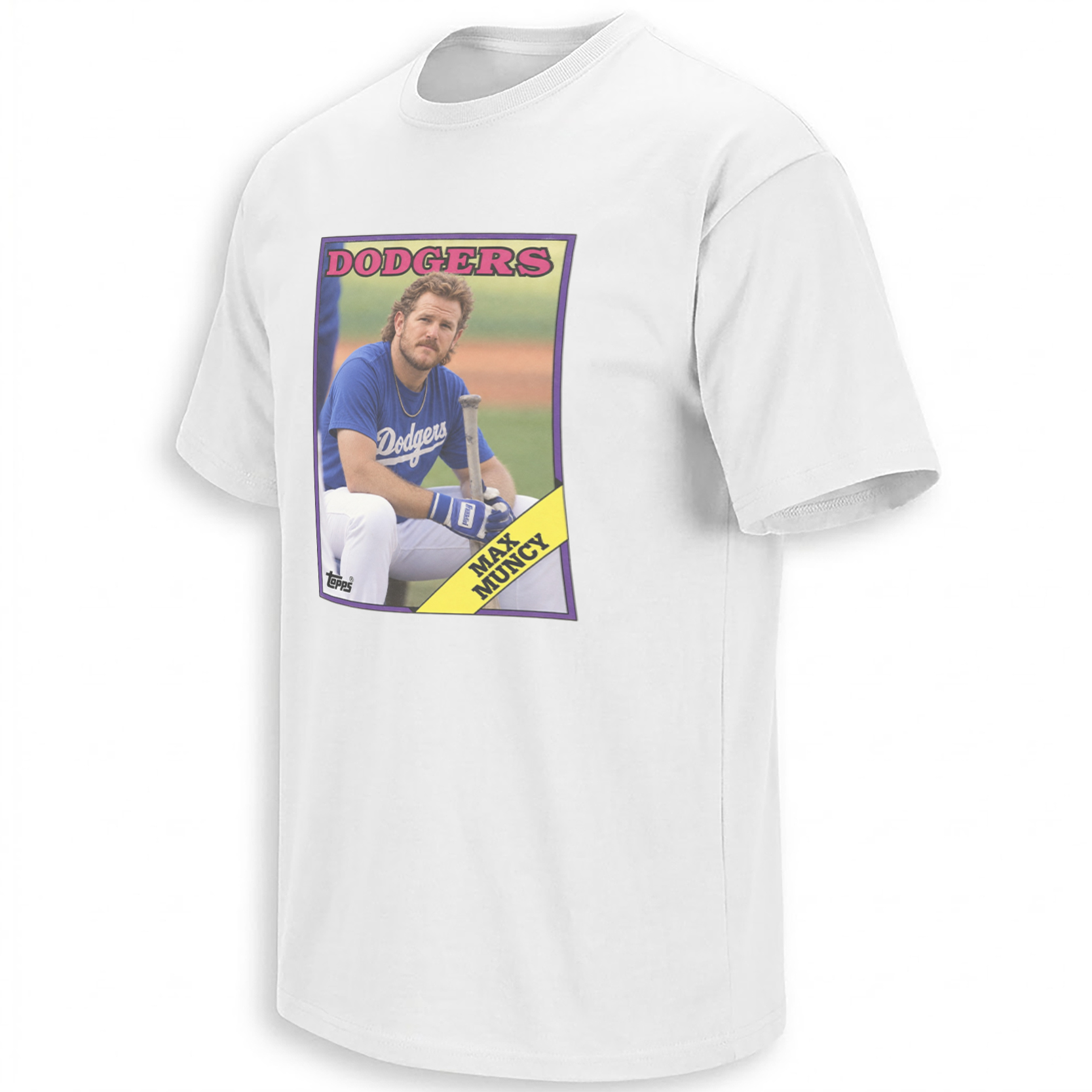
But imagine opening a dusty pack of baseball cards and discovering today’s Dodgers roster dressed for an entirely different era. Shohei Ohtani with a mullet. Mookie Betts with a towering high-top fade. Kiké Hernández wearing reflective sunglasses. Max Muncy looking like a veteran from a forgotten 1988 highlight reel.
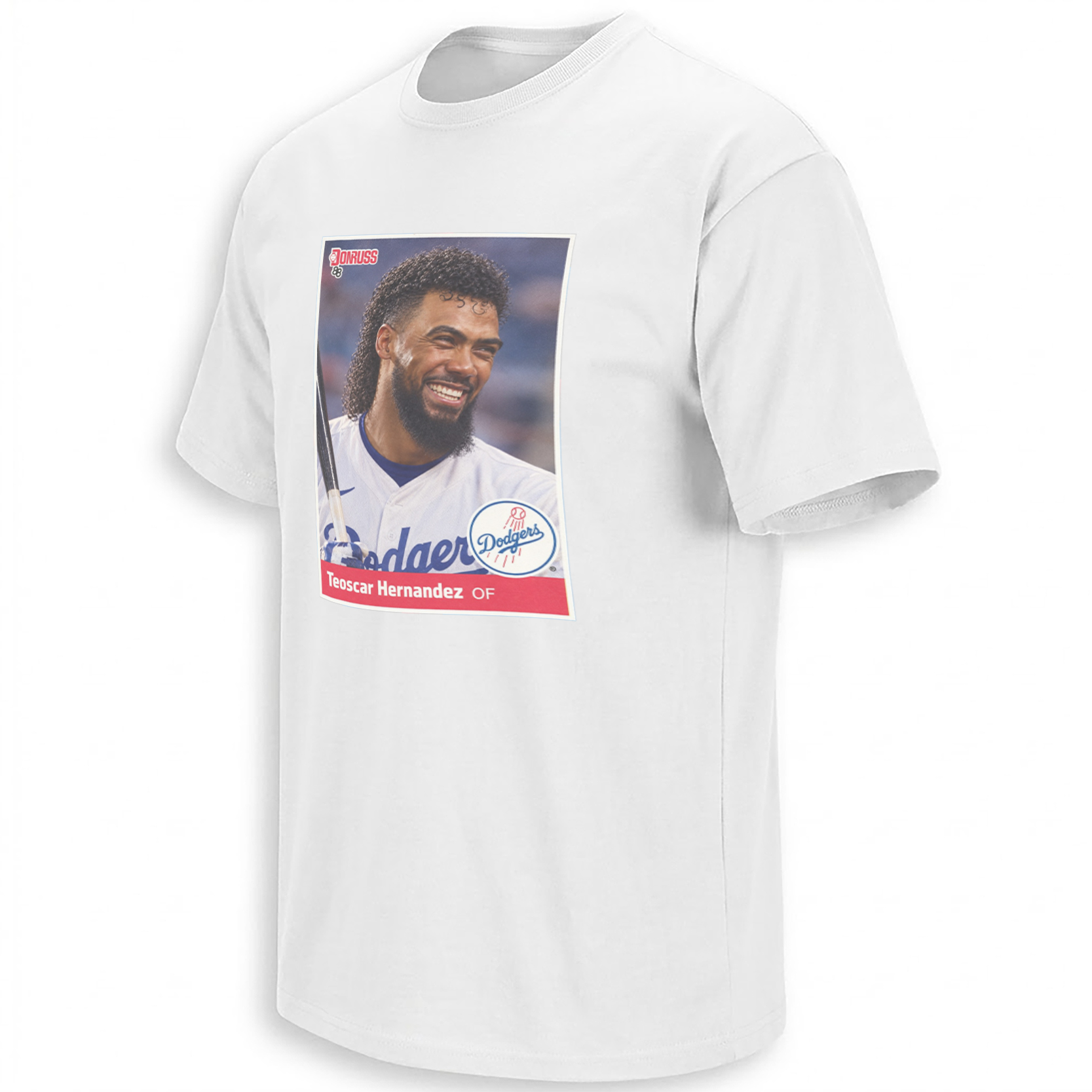
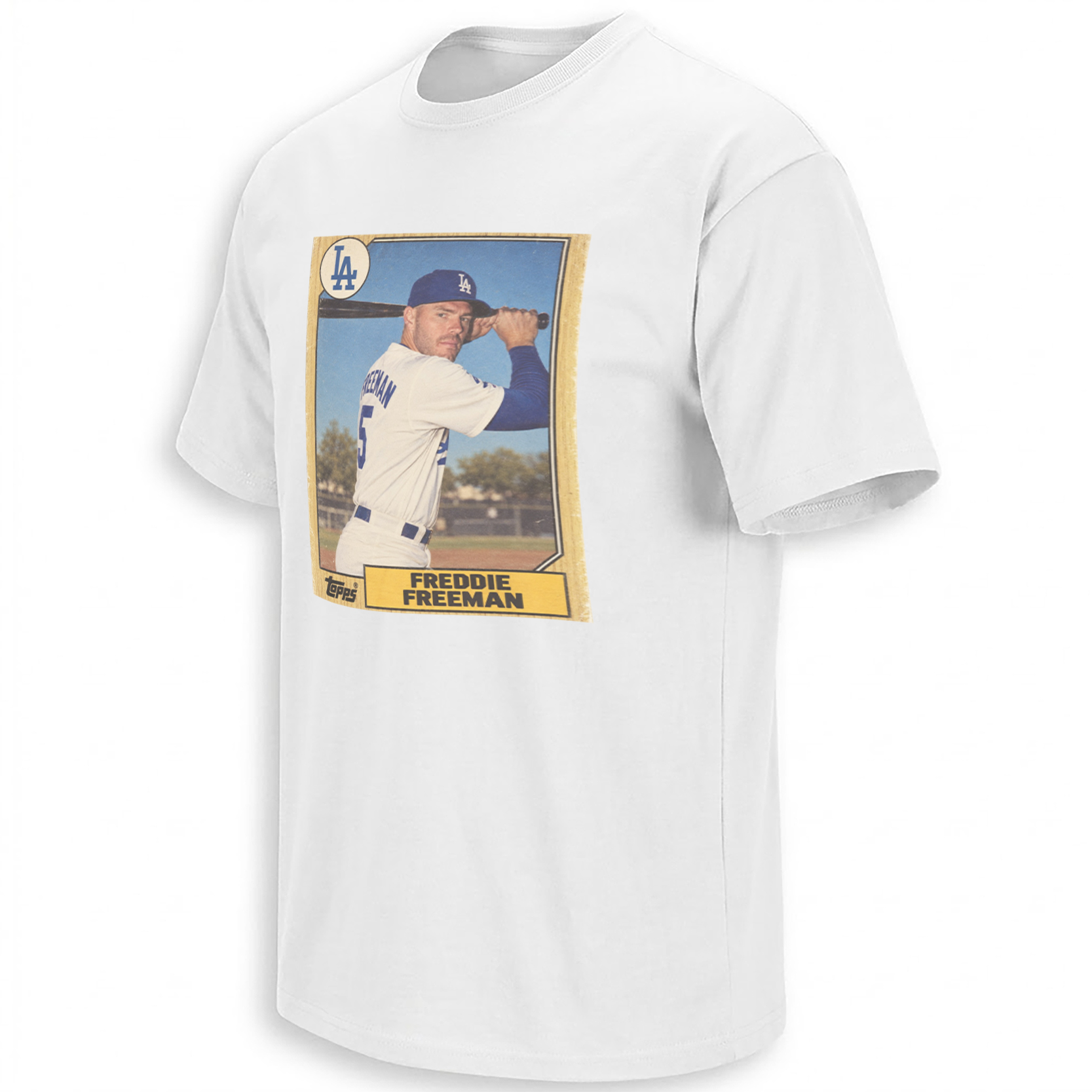
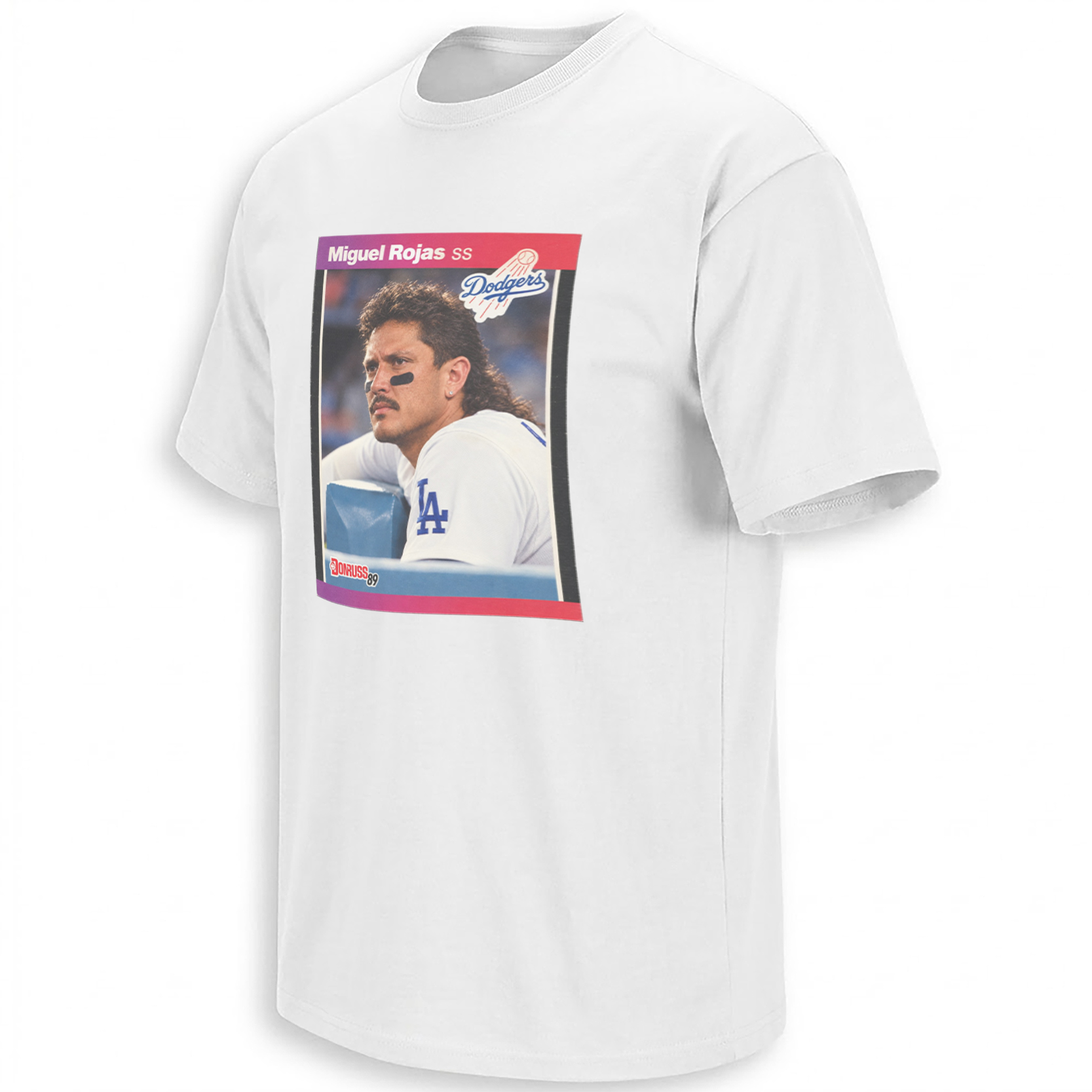
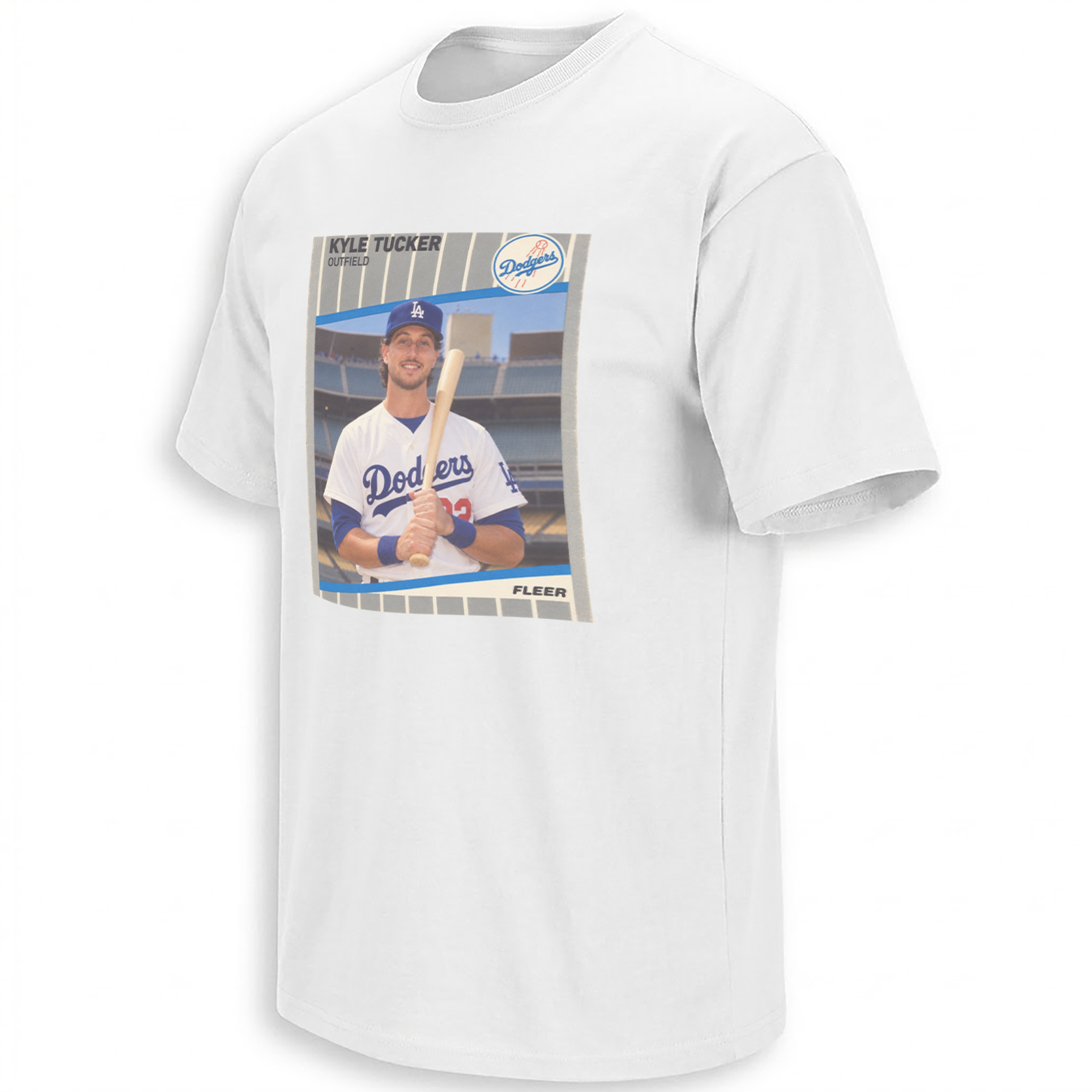
That is the appeal of Dodgers Back in the ’80s, a collection of eight fictional trading-card portraits inspired by the colorful visual language of Topps, Donruss and Fleer. The players belong to modern Los Angeles baseball. Their imaginary cardboard identities belong to another decade.
Why the 1980s Still Matter to Dodgers Culture
The decade carries particular meaning in Los Angeles. In 1988, Kirk Gibson’s famous World Series home run and Orel Hershiser’s remarkable pitching helped produce one of the franchise’s most celebrated championships. The images remain connected to Dodgers identity: blue uniforms, crowded ballparks, oversized typography and the unmistakable atmosphere of late-eighties baseball.
Trading cards preserved a different side of that era. Their photography often showed players smiling, posing with bats or leaning against dugout railings. Distinctive borders, colorful nameplates and memorable hairstyles gave each player a miniature visual identity. Before endless online highlights, a small cardboard portrait could become a fan’s most familiar image of a favorite athlete.
What if the Dodgers stars of 2026 had been photographed for the baseball-card packs fans opened in 1988?
The Real Dodgers Connection to Vintage Topps Cards
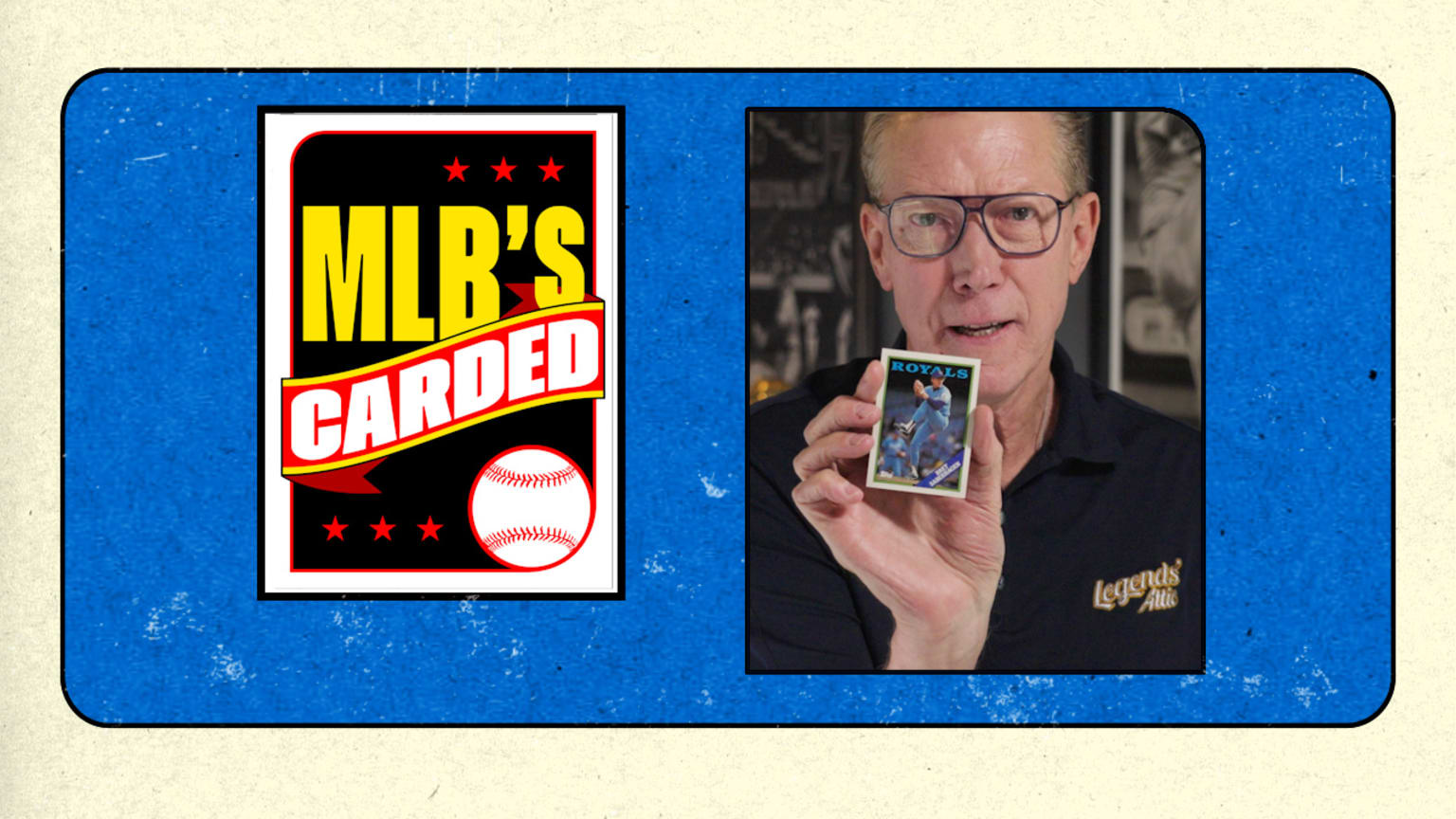
This connection is not simply invented nostalgia. In May 2026, MLB’s Carded video series featured former Dodgers pitcher Orel Hershiser opening 1988 Topps packs and revisiting baseball memories. The segment demonstrated how an ordinary pack of cards can reconnect a player with an entire period of his career.
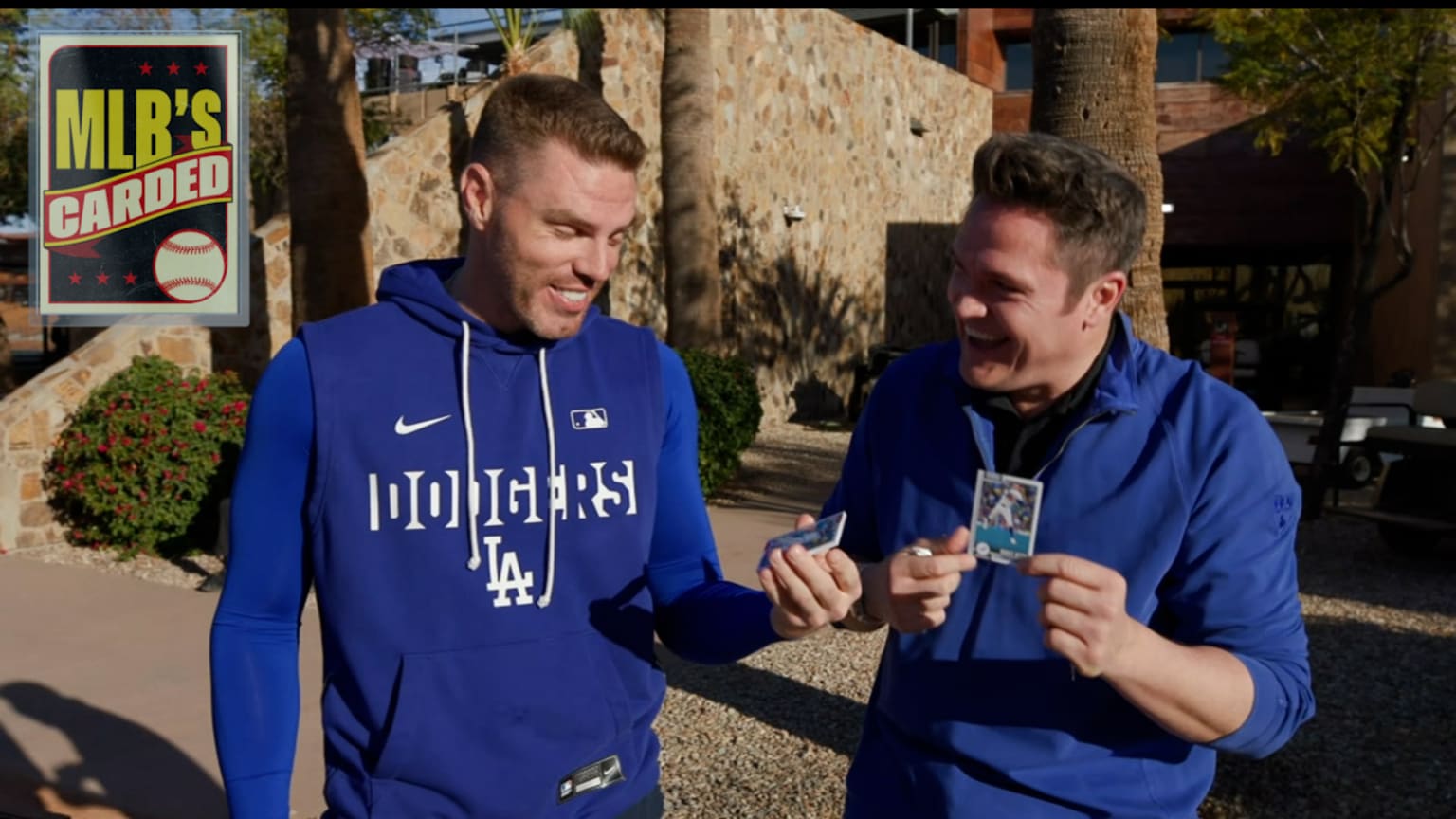
The concept is even more relevant because card collecting remains part of today’s game. During 2026 Spring Training, Freddie Freeman joined MLB host Greg Amsinger for another Carded segment, opening packs and examining baseball collectibles. The former and current Dodgers generations connect naturally through that hobby.
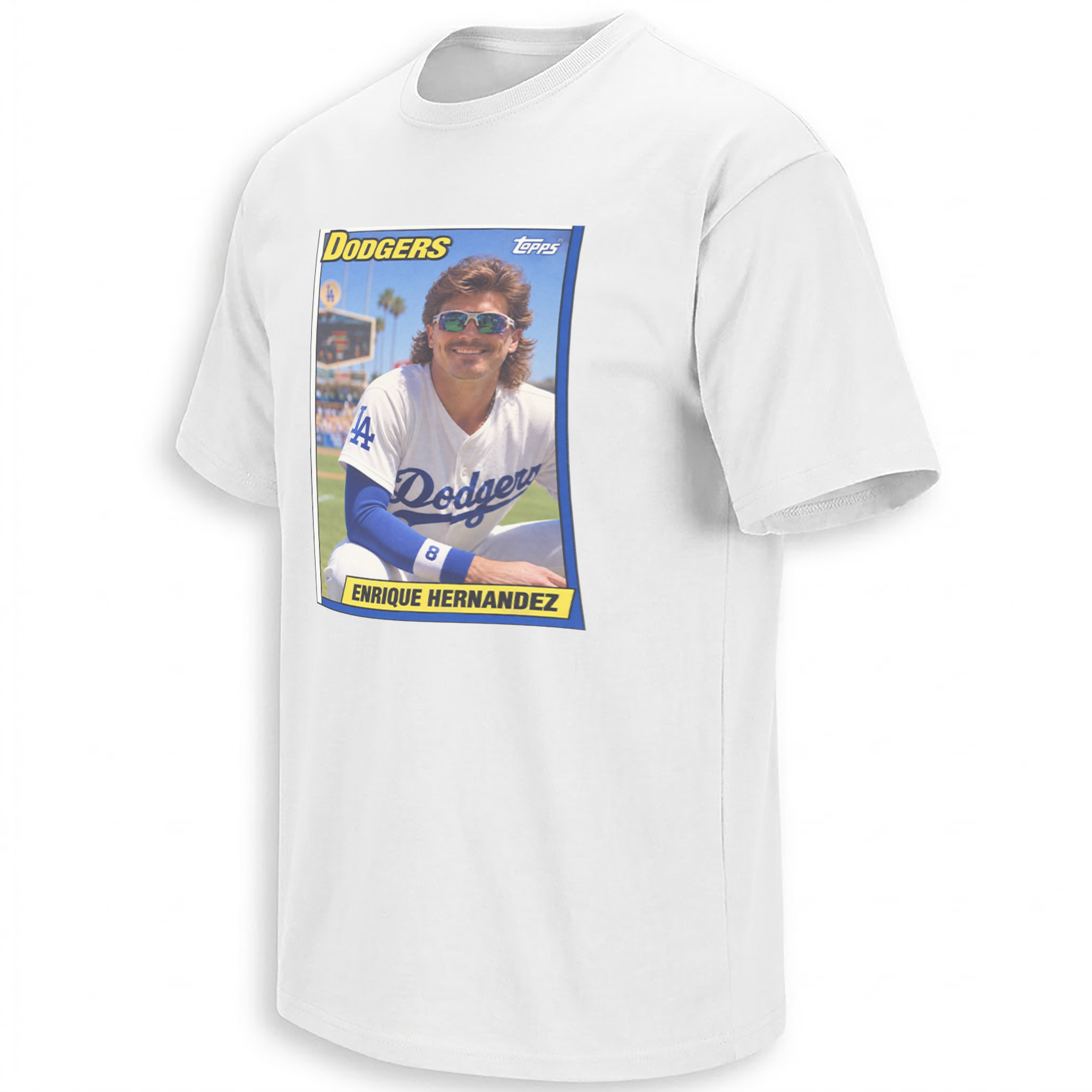
Each imagined portrait uses its own hairstyle, nameplate, framing and collectible-card reference. Select a card to view the corresponding Ellie Shirt design.
Topps, Donruss and Fleer: Three Different Kinds of Nostalgia
The strongest detail in this series is that the eight cards do not use identical layouts. The Topps-inspired designs lean toward recognizable portraits and distinctive nameplates. Donruss references bring bolder color bands, while the Fleer-inspired Tucker card emphasizes geometric framing and clean player identification.
These are contemporary illustrations, not surviving cards from the 1980s or authenticated vintage releases. Their humor comes from an impossible timeline: today’s stars dressed in yesterday’s styles. The recurring hairstyles, team lettering and portrait poses turn the concept into an alternate-history baseball collection.
The “1988 Topps” and “1989 Donruss” references describe the visual inspiration behind selected designs. They do not mean that Max Muncy, Miguel Rojas or any other featured modern Dodgers player appeared on authentic 1980s cards.
Why Dodgers Fans Still Connect Baseball Cards With Personal Memory
The nostalgia is not limited to championship history. In a July 2026 discussion on Reddit’s r/baseballcards, a collector recalled growing up in Los Angeles during the 1980s and following Hershiser, Gibson and other Dodgers stars. The comments showed how old cards can preserve memories of childhood, favorite players and the pleasure of collecting before the hobby became increasingly digital.
Why the Retro Series Feels Relevant in October 2026
The Dodgers’ current postseason makes the collection timely without making it a championship product. Kiké Hernández and Freddie Freeman homered in Game 3 against Atlanta. Max Muncy continued contributing as Los Angeles advanced in Game 4. Their real October performances give fans new reasons to revisit familiar names, while the artwork deliberately takes those names in a completely different direction.
This contrast is the point. A modern highlight lasts seconds, but a vintage-style portrait slows the experience down. It invites viewers to study a hairstyle, a card border or a fictional player photograph instead of watching another replay.
The complete Dodgers Back in the 80s collection brings all eight graphics together. Other moments from the roster belong in the wider Los Angeles Dodgers collection, while the MLB collection connects this nostalgia with broader baseball fan culture.
Frequently Asked Questions
What is Dodgers Back in the ’80s?
It is an eight-design retro baseball-card shirt series imagining contemporary Los Angeles Dodgers players in the visual styles of 1980s trading cards.
Which Dodgers players appear in the collection?
Kiké Hernández, Shohei Ohtani, Mookie Betts, Teoscar Hernández, Freddie Freeman, Miguel Rojas, Kyle Tucker and Max Muncy.
Are these actual Topps, Donruss or Fleer baseball cards?
No. They are modern, fictional retro illustrations inspired by collectible-card designs associated with those brands.
Why is 1988 important to Dodgers history?
The Dodgers won the 1988 World Series, remembered especially for Kirk Gibson’s Game 1 home run and Orel Hershiser’s outstanding pitching.
Why do the players have retro hairstyles?
Mullets, high-top fades, mustaches and vintage accessories create the intentionally exaggerated look of imagined 1980s baseball-card portraits.
Dodgers Back in the ’80s turns recognizable modern players into fictional collectible-card personalities. Explore the complete eight-design retro series, or discover more player and postseason artwork through the Los Angeles Dodgers archive.
Dodgers Back in the ’80s reimagines eight modern Los Angeles stars as vintage Topps, Donruss and Fleer-inspired baseball-card characters, mixing nostalgic photography, retro hairstyles and classic Dodgers colors.