
Spurs vs OKC Game 6 Became A Whole Meme Archive In One Night
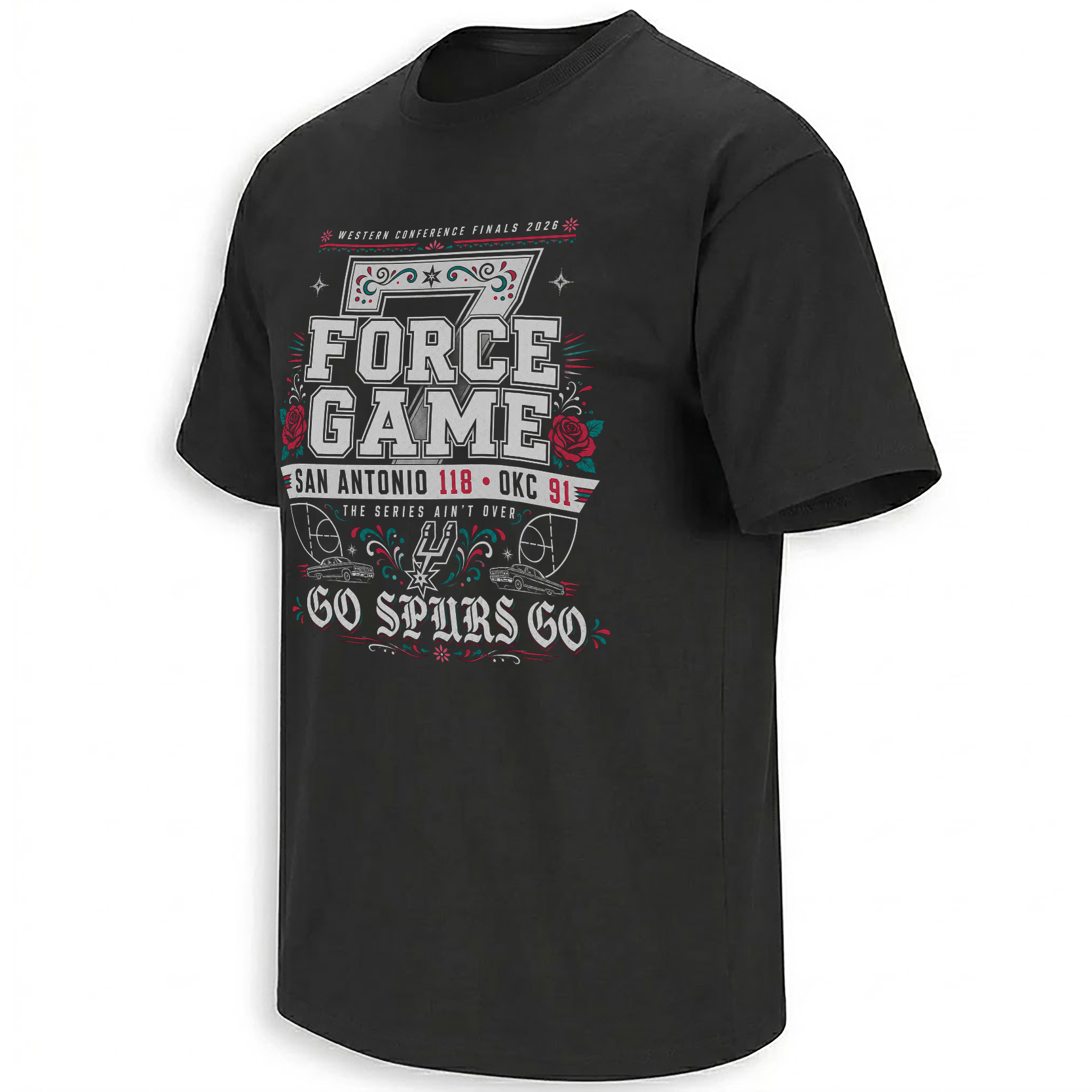
San Antonio’s 118-91 Game 6 win did more than force a Game 7. It turned the Western Conference Finals into a living internet archive: 20-0 Run, Force Game, Carter Bryant contact jokes, Flopper City, and OKC Unethical Hoops all became different ways Spurs fans processed the same chaotic playoff release.
Some playoff games have one image. Spurs vs OKC Game 6 had an entire vocabulary. By the time San Antonio finished a 118-91 demolition of Oklahoma City, the night had already split into multiple fan languages: the clean basketball language of a 20-0 run, the survival language of forcing Game 7, the petty meme language around Carter Bryant, and the broader whistle discourse that turned SGA criticism into phrases like “Flopper City” and “Unethical Hoops.”
That is why Game 6 felt bigger than a normal elimination response. The Spurs did not simply tie the Western Conference Finals at 3-3. They gave their fan base a full emotional reset. Victor Wembanyama answered with 28 points, 10 rebounds, and 3 blocks. Stephon Castle added 17 points and 9 assists. Dylan Harper brought 18 points off the bench. Shai Gilgeous-Alexander, the center of so much of the series discourse, was held to 15 points.
The official recap says San Antonio forced a winner-take-all game in Oklahoma City. The internet recap says Spurs fans finally got to empty the folder: every frustration, every whistle joke, every SGA free-throw argument, every Game 5 grievance, and every sarcastic group-chat line came pouring out after the scoreboard gave them permission.
The 20-0 Run Became The Cleanest Basketball Memory
Every chaotic playoff night still needs one clean basketball image. For Spurs fans, that image was the 20-0 Run. It was the moment when Game 6 stopped feeling like survival and started feeling like San Antonio had taken control of the entire room.
The phrase works because numbers in playoff basketball can become emotional shorthand. “20-0” does not need a long explanation after a game like this. It means Oklahoma City went cold. It means the Frost Bank Center got louder. It means the Spurs bench survived the most dangerous stretch and somehow turned it into the turning point. It means the Thunder suddenly looked less like a defending champion closing a series and more like a team being dragged into another night.
The 20-0 run is the cleanest artifact because it carries no sarcasm. It is not a complaint, not a joke, not a whistle argument. It is the part of Game 6 that every fan can point to and say: this is where the series tilted.
Force Game Was The Emotional Command
If “20-0 Run” was the box-score memory, Force Game was the emotional command. It sounds clipped, urgent, and unfinished in exactly the right way. That is the point. Playoff fans do not always speak in polished slogans when the season is hanging over every possession.
“Force Game” carries the feeling before the final buzzer: force Oklahoma City to see you again, force the series back onto the road, force the national conversation to keep San Antonio in it, force the defending champions to answer one more time.
What made the phrase hit was not grammar. It was pressure. San Antonio entered Game 6 with elimination waiting. By the end of the night, the Spurs had turned that pressure into a demand. The series could not end yet because San Antonio had made the ending wait.
Carter Bryant Became The Unexpected Meme Character
Every series needs an unexpected supporting character. In this one, Carter Bryant became part of the internet version of Spurs vs OKC because his contact moments with SGA gave fans the exact visual they needed for a series already drowning in free-throw discourse.
That is why the Carter Bryant jokes worked in layers. “Here You Go” sounded like a sarcastic handoff to the whistle conversation. “Carter Bryant Trucks SGA” turned a physical playoff frame into exaggerated meme language. “I Thought He Wanted Two Free Throws” became the cleanest punchline of the whole free-throw debate.
None of those phrases are trying to be official referee language. They are fan-side translations. They explain how Spurs fans felt watching a series where every drive seemed to produce another argument about contact, craft, foul-baiting, verticality, and whether the game was being played on the floor or at the line.
Why The Free-Throw Jokes Had So Much Fuel
Shai Gilgeous-Alexander is difficult to meme cleanly because his game is not fake. His balance, timing, footwork, and ability to punish defenders are real basketball skills. That is why Thunder fans defend the style as craft. It is also why opposing fans can find it unbearable. When he is on your team, he looks like a master of angles. When he is against your team, every possession can feel like a slow walk toward two free throws.
Spurs fans did not invent frustration with foul-drawing in this series, but Spurs vs OKC gave the complaint a perfect stage. The stakes were high, the players were visible, the fan bases were loud, and the contrast between Wembanyama’s future-of-the-league aura and SGA’s whistle-heavy discourse made the matchup unusually combustible online.
That is why one Carter Bryant image could become several different products of fan language. The clip was not only a clip. It was a pressure-release valve.
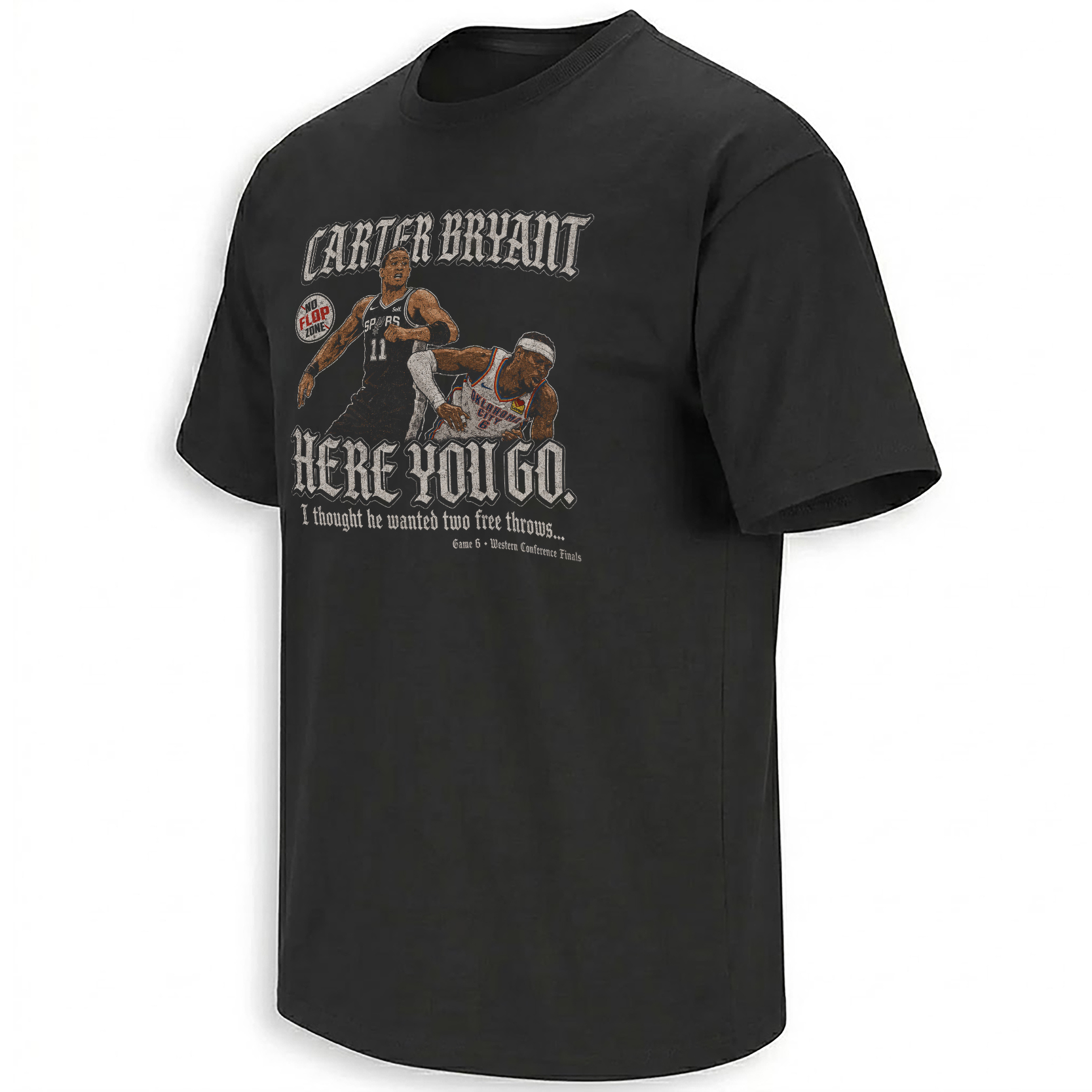
“Here You Go” frames Bryant as the sarcastic delivery man of the series’ free-throw frustration.
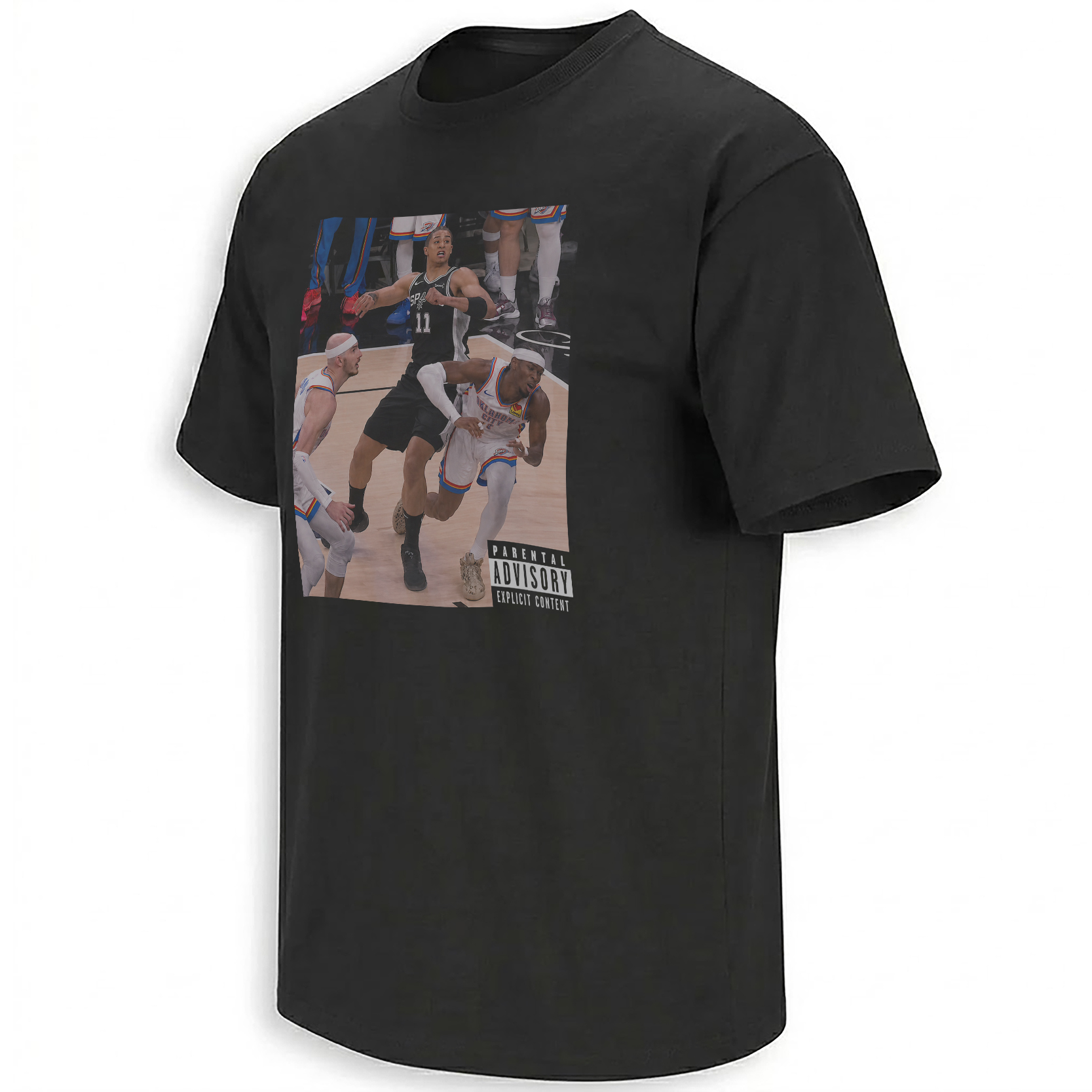
“Trucks SGA” preserves the exaggerated fan read of a physical playoff moment.
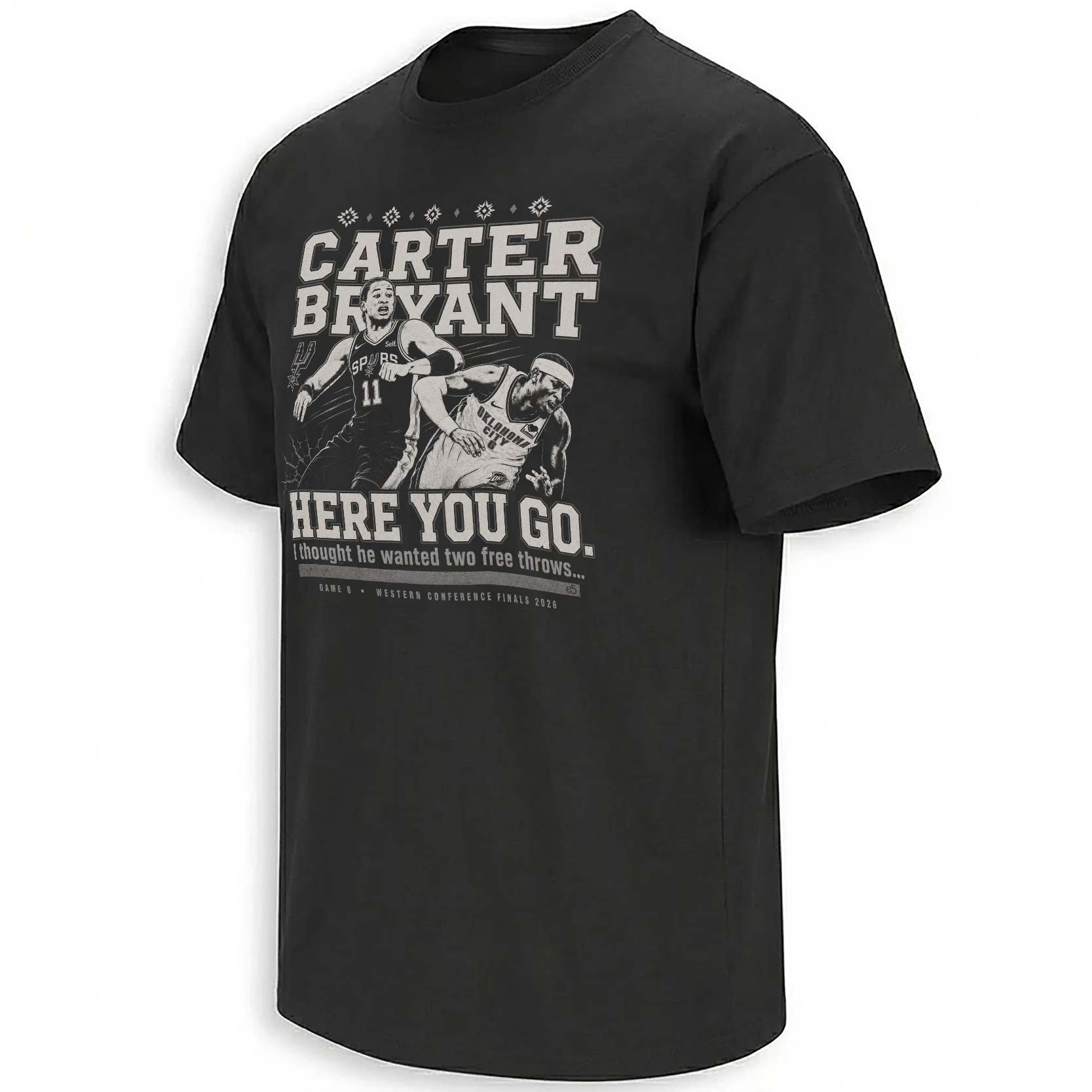
“I Thought He Wanted Two Free Throws” turns the whole SGA whistle debate into one sarcastic sentence.
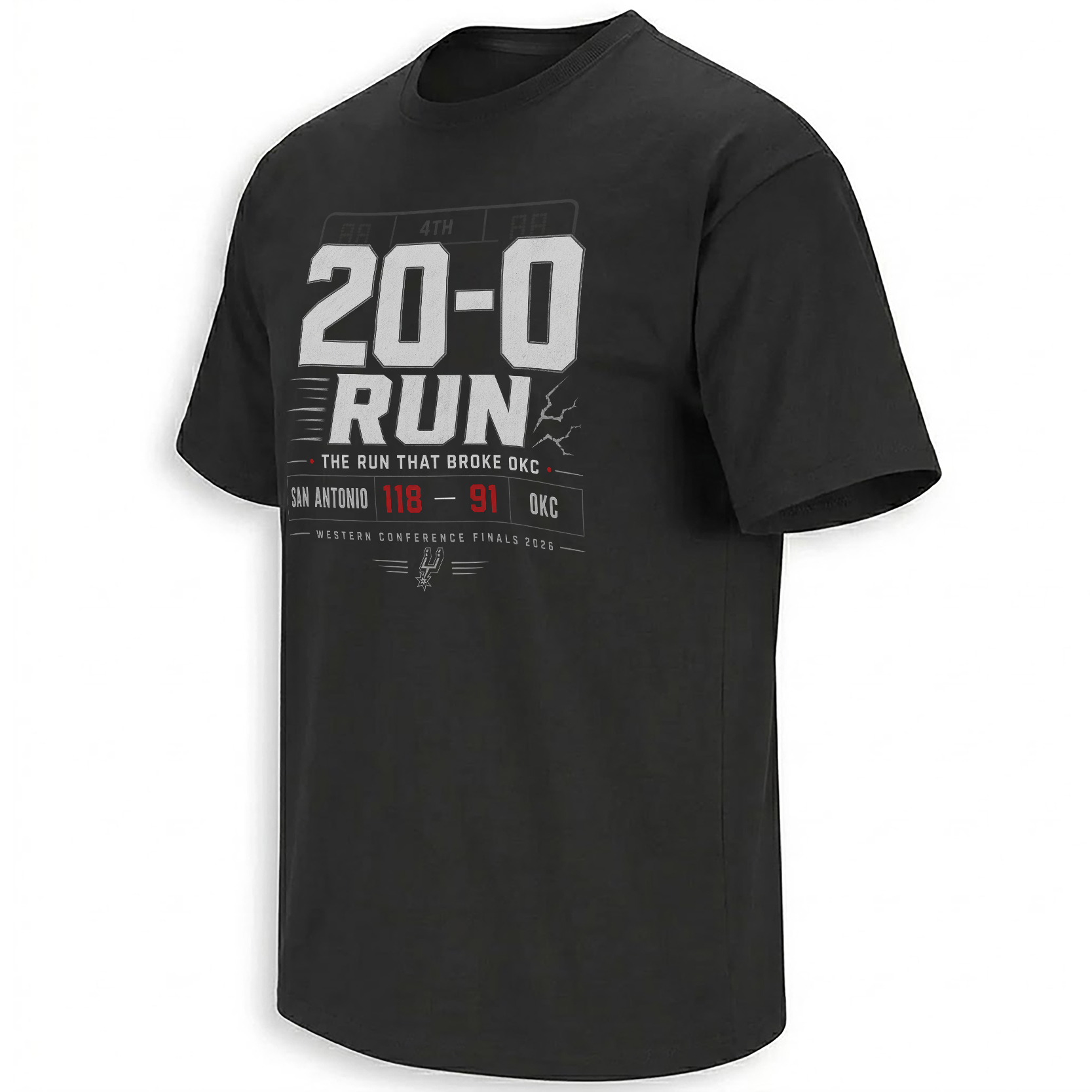
“20-0 Run” is the pure basketball timestamp from the night San Antonio broke the game open.
Flopper City Turned Complaint Into A Place
Flopper City worked because it turned a complaint into a fictional location. That is a classic internet move. Fans do not just say they are annoyed; they build a whole imaginary map around the annoyance.
In the Spurs vs OKC context, Flopper City became a sarcastic destination built out of foul-baiting frustration, dramatic contact, SGA discourse, refball jokes, and the feeling that San Antonio fans had been trapped in a place where every Thunder drive might end in a whistle.
The phrase matters because it does not pretend to be official. It is not a league ruling. It is not a statistical model. It is the group chat after the fourth whistle. It is fan geography. It says: this is where the series has made us live.
OKC Unethical Hoops Made The Meme Feel Like A Whole System
If Flopper City was the place, OKC Unethical Hoops was the fake philosophy. The phrase sounded like a parody basketball academy where the lesson plan was built around contact, angles, selling the whistle, and making the defender wrong before the shot even leaves the hand.
That phrase carried extra heat because “Unethical Hoops” had already become a real outside-the-lines story. A parody board game mocked SGA’s foul-drawing style, and reports said his legal team sent a cease-and-desist over the use of his name, image, and likeness. That turned a basketball joke into something stranger: a playoff meme with legal gravity.
For Spurs fans, that made the phrase feel even more useful. It was not only about one game or one whistle. It became a title for the entire emotional experience of watching OKC’s offense through the eyes of an opposing fan base.
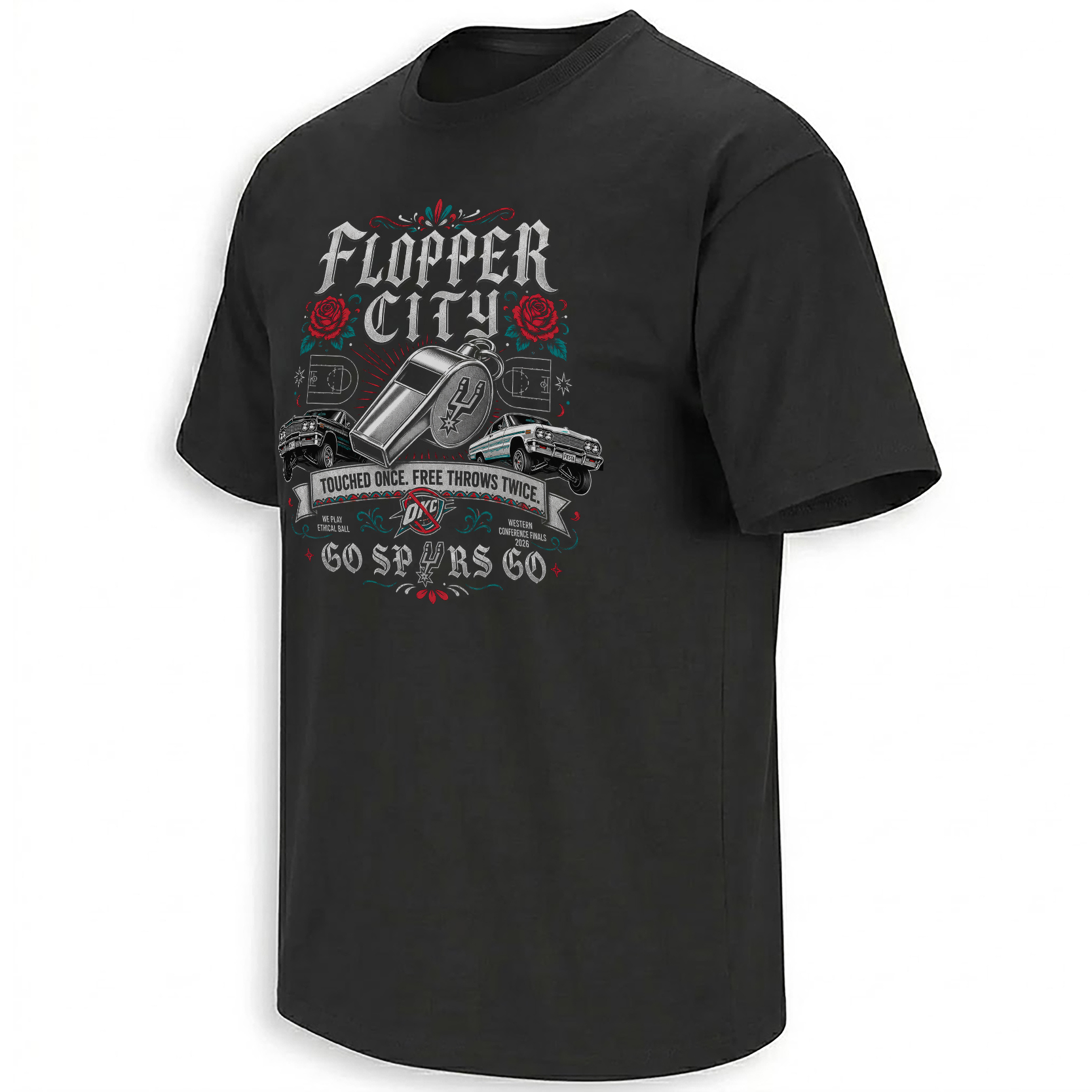
“Flopper City” gives Spurs fans a fictional map for the whistle fatigue of the series.
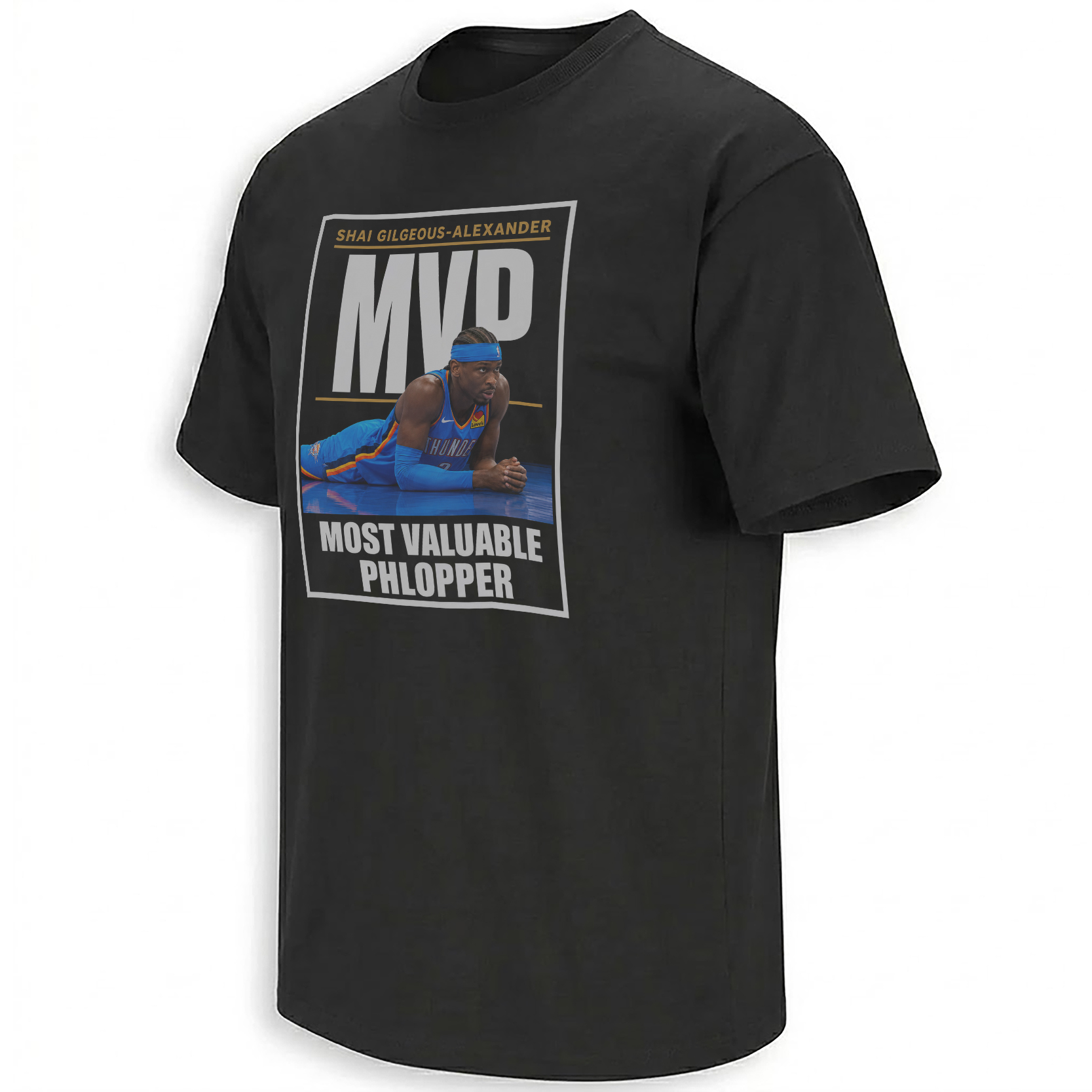
“OKC Unethical Hoops” turns the foul-drawing debate into a fake basketball doctrine.
Why Game 6 Made The Memes Feel Different
The same joke can feel bitter after a loss and triumphant after a win. That is what Game 6 changed. Before San Antonio’s blowout, phrases like Flopper City and Unethical Hoops sounded like frustration. After the Spurs won by 27 and forced Game 7, those same phrases sounded like victory-lap sarcasm.
That difference is crucial to understanding the cultural moment. Spurs fans were not only complaining about whistles after Game 6. They were laughing because the scoreboard had finally backed up the feeling that their team could play through the noise.
The 20-0 run gave them the clean basketball proof. Wembanyama gave them the star response. Carter Bryant gave them the meme character. Flopper City gave them the fictional setting. Unethical Hoops gave them the fake philosophy. Together, those phrases turned Game 6 into a small internet universe.
The official story is simple: San Antonio forced Game 7. The fan story is richer: Spurs fans turned one elimination win into a full archive of jokes, numbers, complaints, screenshots, and phrases that only make perfect sense if you were watching the series in real time.
The Design Language Of A Playoff Timeline
What connects all of these graphics is that none of them behave like a traditional recap. They behave like fragments from the timeline. Each one captures a different emotional layer of Spurs vs OKC: the number, the command, the collision, the sarcastic quote, the fake city, the fake basketball system.
That is why the visual archive works. 20-0 Run is blunt and factual. Force Game is urgent and incomplete. Carter Bryant’s pieces feel chaotic and punchline-driven. Flopper City feels like satire through geography. OKC Unethical Hoops feels like satire through branding.
Together, they show how modern playoff memory is actually made. Not only by final scores, not only by broadcast highlights, and not only by official NBA language. It is made by the phrases fans keep repeating until the phrases become part of the event.
Where This Fits In The Spurs Playoff Archive
The wider San Antonio Spurs collection now reads like a live emotional map of the Western Conference Finals: Wembanyama belief, Game 6 release, Carter Bryant chaos, refball frustration, and the fan-made vocabulary that carried the series into Game 7.
Inside the broader NBA collection, this cluster of graphics belongs to a specific playoff category: not official championship memory, but internet memory. The kind of memory built from jokes that would confuse a casual viewer and instantly click for anyone who watched the series closely.
In plain terms, this is a San Antonio Spurs vs Oklahoma City Thunder playoff archive tied to Game 6, a 118-91 Spurs win, a 20-0 third-quarter run, Wembanyama’s response, SGA free-throw discourse, Carter Bryant meme language, Flopper City satire, and the “Unethical Hoops” debate that turned refball frustration into one of the loudest fan conversations of the series.
Why Game 7 Now Carries All Of It
Game 7 in Oklahoma City now carries every thread from the series into one night. It carries Wembanyama’s rise, SGA’s response, Thunder pride, Spurs belief, the frustration around whistles, and the strange comedy of a fan base that found multiple ways to turn annoyance into language.
That is what makes Game 6 feel so culturally rich. It did not close the argument. It multiplied it. The Spurs won the game, but the internet built the archive around it. By the time the series moved to Oklahoma City, San Antonio fans were not only asking whether the Spurs could win Game 7. They were already preserving how Game 6 felt.
Some playoff nights become a highlight. Spurs vs OKC Game 6 became a dictionary.
FAQ: Spurs vs OKC Game 6 Meme Archive
Why did Spurs vs OKC Game 6 produce so many memes?
Game 6 combined a major Spurs elimination win, a 20-0 run, Wembanyama’s response, SGA free-throw discourse, and several fan-ready visual moments. That gave Spurs fans multiple ways to turn the night into meme language.
What does “20-0 Run” mean in this context?
“20-0 Run” refers to the decisive San Antonio stretch that broke open Game 6 and became the cleanest basketball shorthand for the Spurs taking control of the night.
Why did Carter Bryant become part of the series meme culture?
Bryant became a meme character because his physical moments with SGA gave Spurs fans a visual punchline for the free-throw and contact debates that had already shaped the series.
What does “Flopper City” mean?
“Flopper City” is fan-made satire for the whistle fatigue Spurs fans felt during the series. It turns foul-baiting frustration into a fictional playoff destination.
What is “OKC Unethical Hoops” about?
“OKC Unethical Hoops” is meme language tied to the broader debate around SGA, foul-drawing, refball frustration, and parody culture. It reflects fan interpretation, not an official NBA label.
Why did the memes feel different after San Antonio won Game 6?
The win changed the tone from frustration to celebration. After the Spurs forced Game 7, the same jokes sounded less like complaints and more like confident sarcasm from a fan base that had finally gotten its release.
As Spurs vs OKC moves into Game 7, this cluster of pieces — from 20-0 Run to Force Game, Two Free Throws, Flopper City, and OKC Unethical Hoops — sits inside the Spurs playoff archive as the fan-made language of one unforgettable Game 6.