Chicago Can Suddenly Say It Again: Party Like It’s 2005.
The White Sox’s greatest modern championship season has lived as South Side nostalgia for two decades. But with the 2026 club leading the AL Central in late August, 2005 no longer feels like a memory being summoned without context.
“Party Like It’s 2005” used to function almost entirely as nostalgia. The phrase meant Paul Konerko, Mark Buehrle, Ozzie Guillen, Scott Podsednik, four World Series wins over Houston and the strange sensation of an 88-year championship drought disappearing in one October.
In late August 2026, the phrase carries a second layer. Chicago is once again playing baseball in which the standings matter every morning. After beating Texas 10–4 on August 27, the White Sox held a 2½-game lead in the American League Central. Tristan Peters had just homered for a fifth consecutive game, the offense collected 15 hits, and the South Side had legitimate reasons to look toward October rather than simply backward.
Nobody needs to confuse the current roster with the 2005 champions for the comparison to feel emotionally useful. The point is not that history is repeating exactly. The point is that for the first time in years, a championship reference can function as optimism instead of escape.
In bad seasons, 2005 is somewhere White Sox fans go to remember. In 2026, it is becoming something they can reference while still caring deeply about tomorrow.
Why 2005 Still Owns the South Side Imagination
The championship was not merely important because Chicago won. It was important because of how decisively the White Sox finished the job. The team won 99 regular-season games, then went 11–1 in the postseason. Boston was swept in the Division Series. The Angels were beaten in five games in the ALCS. Houston did not win a game in the World Series.
Game 2 supplied two of the most durable images: Konerko’s grand slam and Podsednik’s unlikely walk-off home run. Game 3 stretched 14 innings. Game 4 became something completely different — a tense 1–0 clincher decided by Jermaine Dye’s eighth-inning single before Juan Uribe recorded the final out.
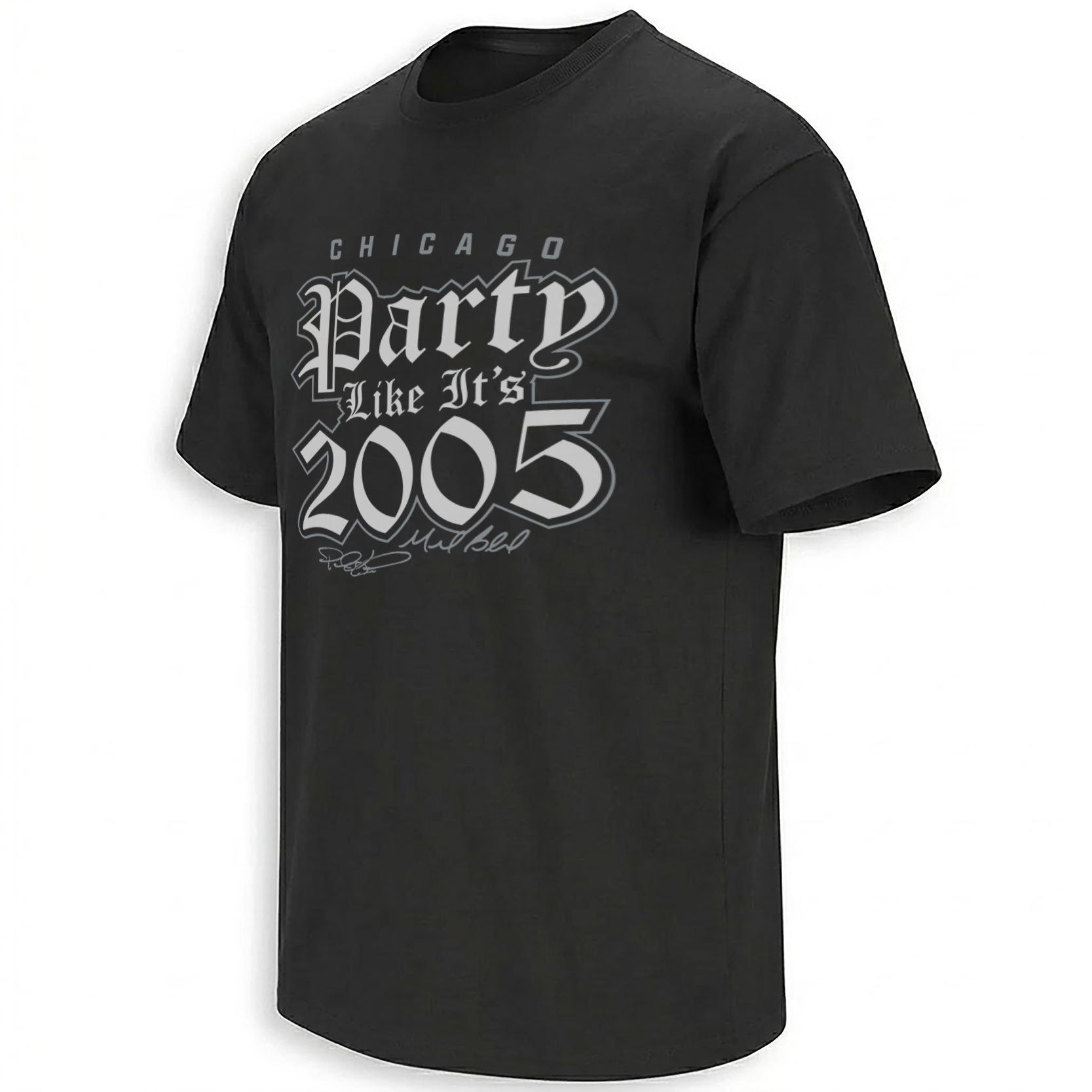
That collection of moments explains why the Party Like It’s 2005 design does not need an elaborate explanation. The year itself functions as a complete piece of fan vocabulary.
What the 2005 Team Actually Felt Like
The memory is often reduced to the sweep, but the identity of the club was broader. MLB’s retrospective describes a roster built around collective responsibility rather than one overwhelming superstar. The White Sox spent the entire season in first place, relied heavily on pitching and defense, and survived a late Cleveland charge that squeezed what had once been a massive divisional advantage.
That final detail has aged especially well. The 2005 White Sox were not strolling toward October without pressure. Their division lead eventually fell to 2½ games in September before they stabilized, swept Cleveland to end the regular season and carried that momentum into an almost flawless postseason.
That makes the old team more useful to the current conversation than a simple championship photograph. A divisional lead is not a trophy. It creates tension precisely because it can disappear.
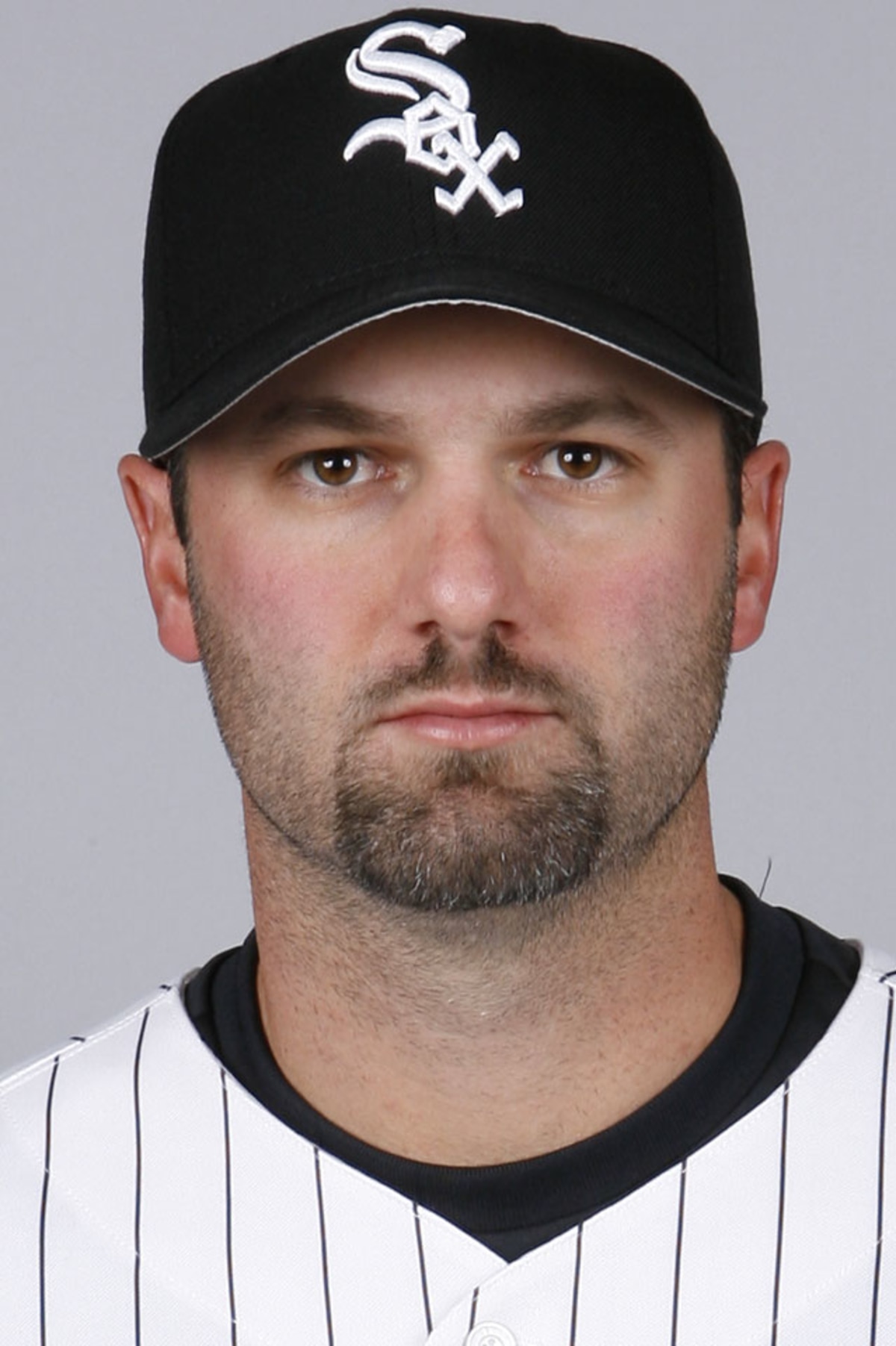
Paul Konerko remains one of the clearest human links to 2005: ALCS MVP, World Series grand-slam hitter and the first baseman associated with the final out of multiple postseason series. Open Konerko’s MLB archive →
The Current White Sox Have Made Nostalgia Feel Different
The 2026 club entered the year without the historical weight of a preseason juggernaut. That is part of why the current division lead feels so strange and appealing. The White Sox had spent multiple seasons defined primarily by rebuilding, losses and the future tense. Suddenly the future is appearing on the scoreboard.
Tristan Peters has supplied a late-August power surge. Miguel Vargas has become one of the lineup’s central offensive figures. Younger players have turned roster development into something more immediate: the possibility of winning the division while the development is still happening.
That creates a different relationship with 2005. Fans can remember a team built around Konerko, Buehrle, Dye, Podsednik and A.J. Pierzynski while also watching a new group build its own set of names and moments.
“Party Like It’s 2005” is not a prediction that the 2026 White Sox will duplicate the championship. It is a fan-facing way to connect the sensation of meaningful South Side baseball with the last season that turned that feeling into the ultimate ending.
A Graphic That Looks Like an Old Championship Souvenir
Visually, the strongest choice is restraint. A 2005 nostalgia graphic does not need the polish of a new-season launch. It benefits from looking slightly aged, almost as though it could have been bought outside the ballpark during the parade and rediscovered years later.
Black and off-white naturally fit White Sox visual culture, while distressed typography pushes the composition toward a newspaper, pennant or championship-program feel. The year is oversized because it operates like a logo of its own.
That treatment also avoids making the current 2026 race too literal. The piece belongs simultaneously to two timelines: the championship fans already know and the new season that has made them think about it again.
From “Don’t Stop Believin’” to Believing Again
Few details capture the cultural afterlife of 2005 better than the team’s association with Journey’s “Don’t Stop Believin’.” Steve Perry celebrated with the players after the World Series, and the song became embedded in the championship’s memory.
Two decades later, the phrase may sound almost too obvious, but its emotional function is remarkably similar. Baseball asks fans to believe through six months of randomness. Division leaders lose ugly games. Prospects slump. Bullpens collapse. Five-game winning streaks can become four-game losing streaks without warning.
Chicago’s current lead guarantees nothing. That is precisely what makes the moment alive. Fans are not remembering the certainty of 2005; they are remembering what it felt like before the ending was known.
The South Side Archive Keeps Expanding
The Chicago White Sox collection now contains two very different kinds of baseball memory: older championship references and current 2026 player moments. Together, they show how a team’s visual culture stretches across generations rather than resetting every Opening Day.
The broader MLB collection follows that same relationship between history and current discourse across baseball — old titles, new heroes, postseason runs and phrases that suddenly become meaningful again.
Frequently Asked Questions
Why is 2005 so important to Chicago White Sox fans?
The White Sox won the 2005 World Series, ending an 88-year championship drought and producing the franchise’s first title since 1917.
How dominant were the White Sox in the 2005 postseason?
Chicago went 11–1 across the postseason and swept the Houston Astros in four games in the World Series.
Why does “Party Like It’s 2005” feel relevant again in 2026?
The 2026 White Sox are leading the AL Central in late August, giving fans meaningful current baseball to connect with memories of the franchise’s most recent championship season.
Does the phrase predict that Chicago will win the 2026 World Series?
No. The phrase works as championship nostalgia and fan optimism, not as a prediction of the season’s final result.
What does the Party Like It’s 2005 design represent?
The graphic uses the championship year as shorthand for White Sox history while gaining renewed meaning from Chicago’s current 2026 division race.
The Party Like It’s 2005 graphic connects those two timelines, while the Chicago White Sox archive follows both the championship memory and the new South Side moments being created in 2026.
Party Like It’s 2005 Shirt reconnects the White Sox’s 2005 World Series championship memory with Chicago’s unexpected 2026 AL Central run through an intentionally vintage South Side graphic.