
“Joe Rogan Podcast” Became Bigger Than the Podcast Now Sonic, Shadow, Spamton and Tenna Are Carrying the Mic
The funniest Joe Rogan Podcast graphics have almost nothing to do with Joe Rogan. That contradiction turned two words into an absurdist meme label capable of making any unrelated image feel like a forbidden podcast episode.
The phrase “Joe Rogan Podcast” normally suggests a studio table, headphones, long-form conversation and several hours of unpredictable discussion. Online, it can also mean two video-game characters kissing beneath the title of a podcast they have never appeared on.
That second meaning is not a mistake. It is the entire joke. The original Sonic-and-Shadow design became recognizable because the large, serious podcast label and the intensely unrelated romantic image appeared to belong to two different cultural universes.
In 2026, the format has expanded. Sonic and Shadow return in a new composition, while Spamton and Tenna from Deltarune inherit the same fake-podcast frame. The characters change, but the central mechanism remains intact: the more confidently the shirt insists that this is a Joe Rogan podcast, the funnier its total lack of connection becomes.
The meme works because “Joe Rogan Podcast” is presented not as information, but as an authoritative label placed on an image that refuses to explain itself.
This Is Not a Screenshot From a Real Podcast
The Sonic–Shadow and Spamton–Tenna graphics are absurdist parody crossovers. They do not depict a real Joe Rogan Experience episode, an official collaboration or a statement made by the podcast. Their humor comes from deliberately mislabeling unrelated fan-style imagery with one of the internet’s most recognizable podcast names.
This distinction matters because the design is often encountered without context. Someone sees the title, notices the characters and assumes there must be a clip, reference or complicated story they have missed.
There is no missing episode. The viewer’s confusion is part of the experience. The graphic behaves like a meme from a parallel internet where Sonic and Shadow have become podcast guests and nobody considers the situation unusual.
Why the Joe Rogan Name Is So Effective as a Meme Label
The Joe Rogan Experience has existed since 2009 and became one of the most recognizable long-form shows in digital media. Its visual identity—studio microphones, headphones, dark backgrounds and extended conversation—is familiar even to people who do not regularly listen.
That recognition allows “Joe Rogan Podcast” to function like a premade cultural frame. The words immediately create expectations about masculinity, debate, comedy, combat sports, controversial opinions, science, psychedelics or a guest attempting to explain something for three hours.
Placing romantic video-game imagery underneath that label breaks all those expectations simultaneously. The contrast is immediate enough that the graphic does not require a caption explaining why it is absurd.
The podcast name is large, familiar and treated like an official title card rather than a small reference hidden inside the artwork.
Gaming figures replace expected podcast guests, creating the feeling that the viewer has entered the wrong media universe.
The design never apologizes, explains or adds “parody.” It behaves as though the impossible crossover is completely normal.
The Two New Graphics Update the Original Formula
The new Sonic–Shadow Joe Rogan Podcast graphic returns to the crossover that made the format recognizable, but treats it as a continuing visual franchise rather than a one-off internet accident.
The Spamton–Tenna version moves the joke into Deltarune culture. Its characters bring their own language of broken advertising, television performance, hidden history and internet obsession, making them unusually compatible with fake media branding.
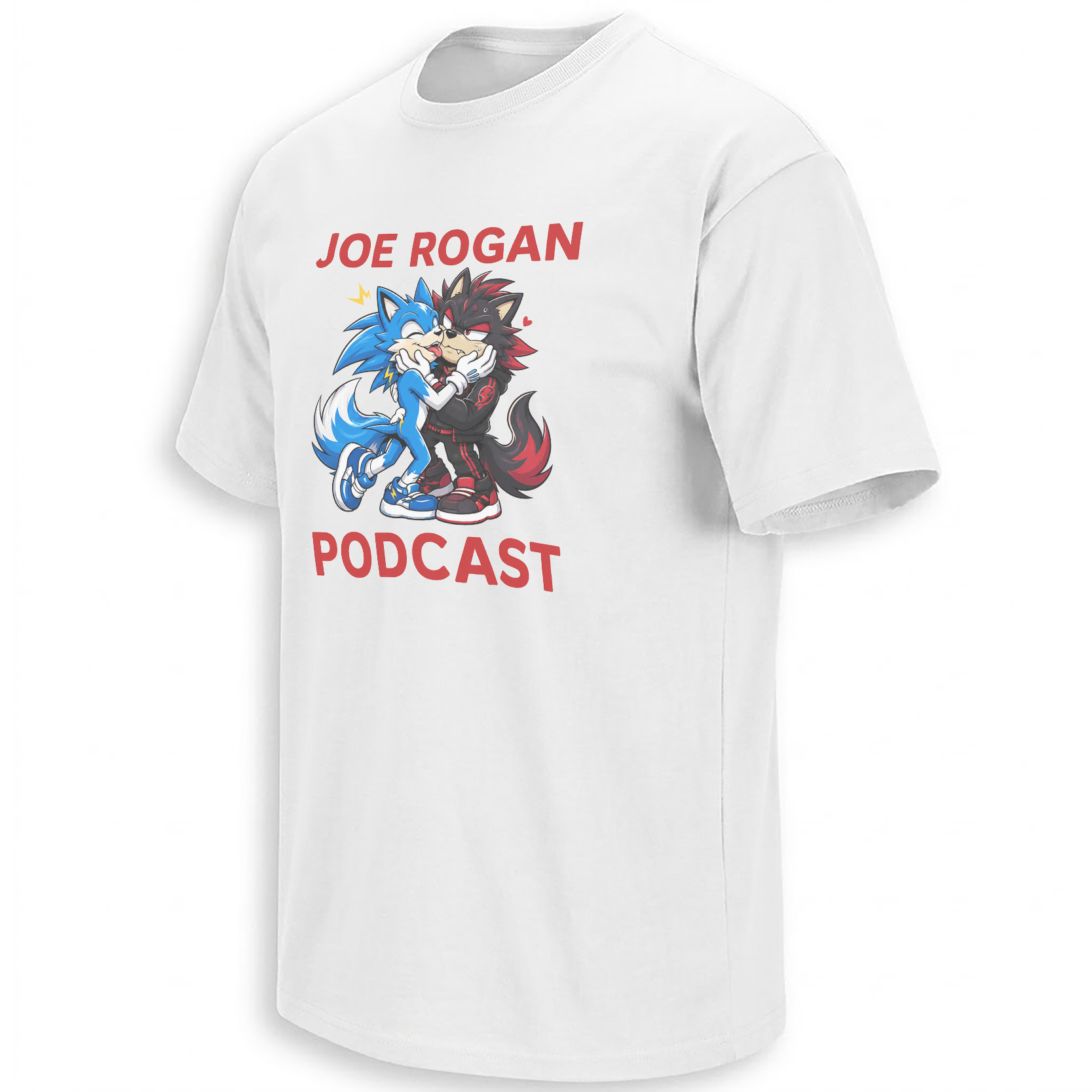
The recognizable blue-and-black gaming rivalry is redirected into romantic absurdity beneath a podcast label that provides no useful explanation.
View the new Sonic–Shadow piece →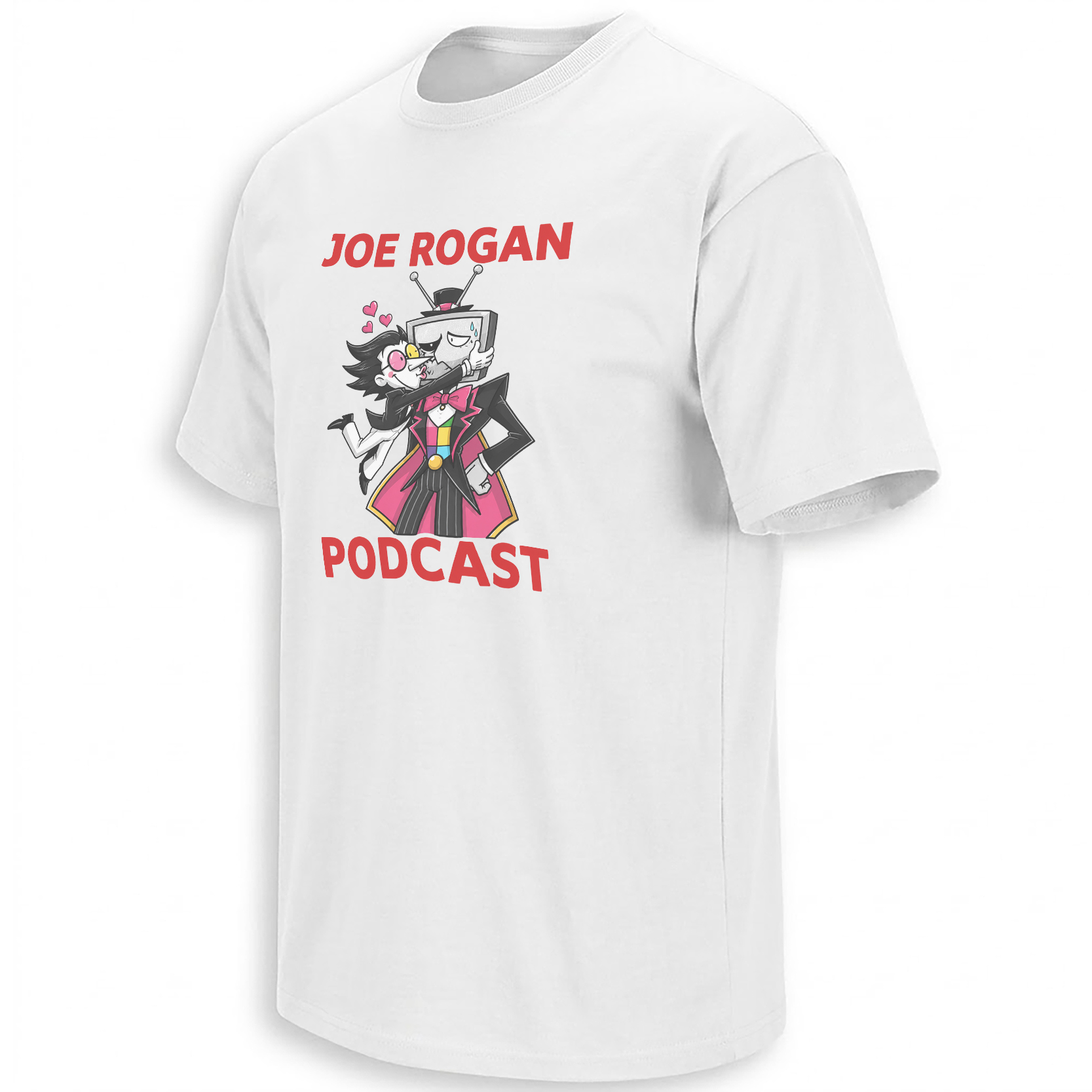
A chaotic salesman and television host inherit the fake-podcast universe, combining Deltarune lore with intentionally incorrect media branding.
Open the Deltarune crossover →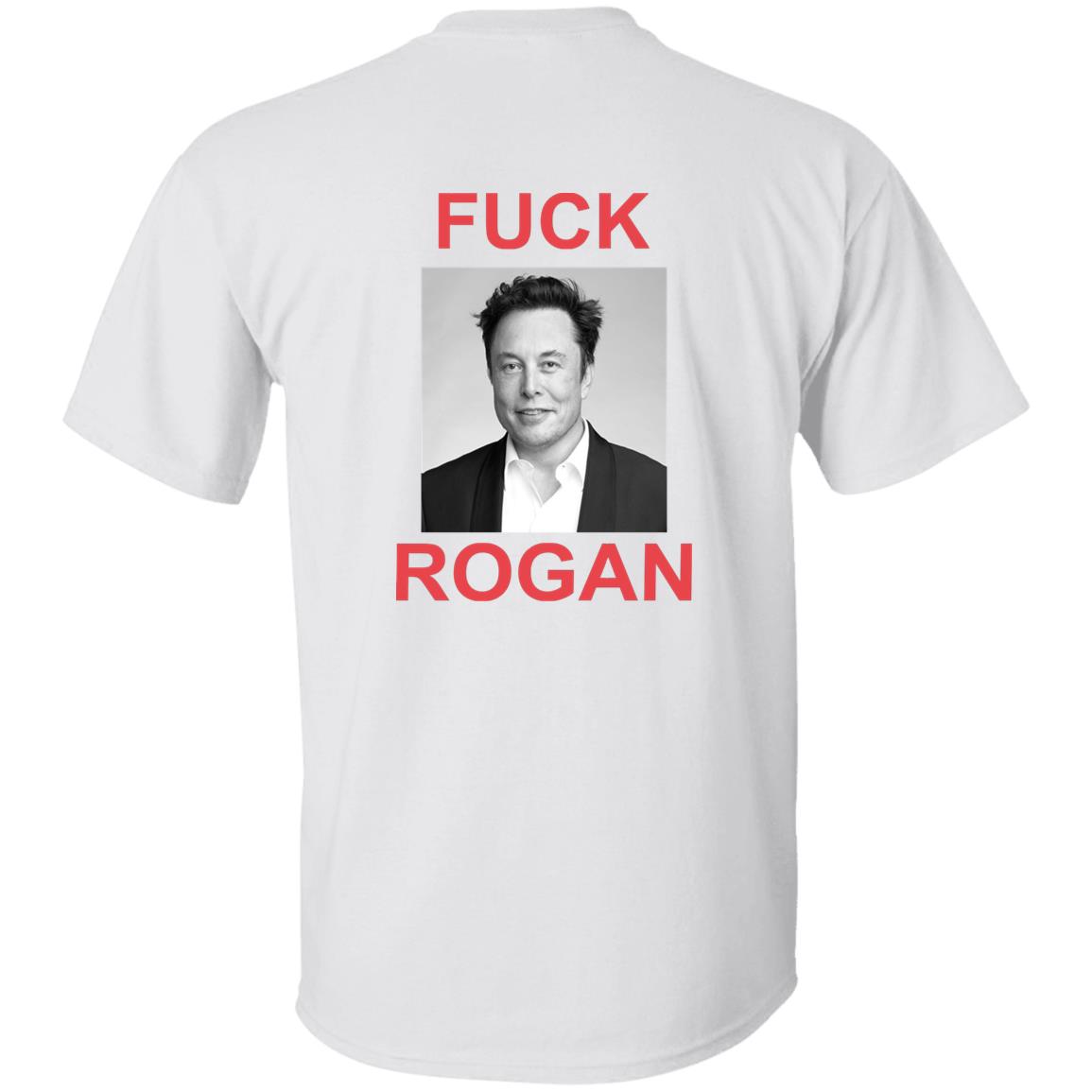
An older viral piece from the period when Rogan–Musk podcast imagery became reusable reaction material far beyond the original conversations.
Revisit the older meme piece →Sonic and Shadow Were Ideal for the Original Absurdity
Sonic and Shadow already possess one of gaming’s most recognizable oppositional dynamics. Sonic is bright, fast and outwardly confident. Shadow is darker, more severe and associated with rivalry, emotional history and controlled aggression.
Meme culture frequently converts rivalry into exaggerated romance because the emotional intensity is already present. The characters spend so much time opposing, mirroring and reacting to one another that changing the final interpretation requires only one visual step.
The Joe Rogan label adds a second contrast. A podcast commonly associated with masculine conversation and confrontation is paired with two stylized male gaming characters in an intimate pose.
The design therefore contains multiple reversals at once: rivals become lovers, gaming art becomes a podcast poster and a serious title becomes the least reliable information on the shirt.
Spamton and Tenna Bring a Different Kind of Chaos
Spamton entered Deltarune as a broken salesman obsessed with becoming a “BIG SHOT.” His dialogue imitates corrupted advertisements, spam messages and promises of impossible success.
Tenna is associated with television, entertainment and game-show performance. His Chapter 3 presence turns old broadcast media into a character desperate for relevance and audience attention.
Those identities make the pair especially compatible with fake podcast branding. Spamton speaks like malfunctioning internet advertising. Tenna embodies theatrical television. “Joe Rogan Podcast” becomes a third media layer placed over both of them.
The result is not only random character shipping. It is a collision of spam culture, television culture, podcast culture and fandom interpretation inside one intentionally overloaded image.
Speed, bright blue recognition and heroic confidence make him the visually immediate half of the original crossover.
Dark color, rivalry energy and melodramatic seriousness supply the contrast that gives the romantic parody its intensity.
Broken sales language, bracketed advertising phrases and “BIG SHOT” obsession connect him naturally with corrupted internet media.
His television-host identity introduces broadcast spectacle, making the fake podcast label feel like one more channel in a collapsing media system.
The Meme Depends on Deliberately Incorrect Branding
Traditional branding explains a product. It tells viewers what they are seeing, who created it and how the visual should be interpreted.
Absurdist branding does the opposite. It applies a confident label that makes the image harder to understand. The words “Joe Rogan Podcast” do not solve the mystery of Sonic and Shadow kissing; they create a second mystery.
This is why replacing the podcast name with a generic phrase would weaken the design. “Gaming Romance” might accurately describe the image, but accuracy is not the goal. The humor requires a title familiar enough to feel official and incorrect enough to feel impossible.
Why the Original Sonic Graphic Still Deserves Promotion
The older Joe Rogan Podcast Sonic Kiss Shadow design remains culturally useful because it represents the format before it became a repeatable series.
Its strength is historical as much as visual. The design circulated widely enough that people began asking what it meant, searching for an origin and debating whether there was a reference they had failed to recognize.
That confusion helped establish the meme. An absurd shirt becomes more powerful when observers cannot immediately decide whether it is random, ironic, sincere or connected to an obscure piece of internet history.
The 2026 Sonic–Shadow design does not replace that archive piece. It demonstrates that the original joke has enough structure to support another composition.
The Elon Musk Archive Represents a Different Rogan Meme Era
Elon Musk’s podcast appearances became part of internet history because individual moments escaped the full-length conversations and circulated independently as images, clips and reaction templates.
The older Fuck Rogan graphic belongs to that reaction-driven phase. Unlike the gaming kiss designs, it references people genuinely connected to the show, then exaggerates their relationship into an aggressive meme statement.
Bringing it back beside the newer graphics shows how flexible the category became. One design remixes actual podcast figures. Another places unrelated gaming characters beneath the show’s name. Both rely on the audience recognizing Rogan as a symbol before reading the details.
These products are strongest when viewed as different branches of one meme history: real podcast moments converted into reaction images, followed by a later absurdist phase in which the podcast title can be attached to almost anything.
Why the New Spamton–Tenna Version Can Reach a Different Audience
The Sonic graphic benefits from immediate recognition. Even casual viewers can identify the basic blue-versus-black character contrast, whether or not they follow current Sonic games.
Spamton and Tenna appeal more strongly to fandom knowledge. The viewer who understands Deltarune sees additional layers: corrupted sales language, lost media relevance, television spectacle and the unresolved emotional history connecting the characters.
That difference expands the collection rather than fragmenting it. Sonic–Shadow provides broad meme recognition. Spamton–Tenna rewards deeper game-community literacy.
The Joe Rogan label unifies both because it remains equally inappropriate in every universe.
How the Graphics Function as Internet Conversation Starters
Many meme graphics communicate their joke immediately and then have nothing else to offer. These designs are built around delayed interpretation.
A viewer first recognizes the characters. Then the kiss. Then the podcast text. Finally, the viewer attempts to create a relationship among all three pieces of information.
That process often ends in a question: “What is this from?” The person wearing the design can answer honestly that it is not from anything. The absence of an origin becomes the origin.
This is a major reason the format survives. It creates social interaction not through a universally understood punch line, but through the shared discovery that no complete explanation exists.
The Collection as an Archive of Incorrect Media History
The wider Joe Rogan Podcast collection gathers several different kinds of podcast-adjacent internet culture: gaming crossovers, reaction graphics, parody titles and archive designs connected to viral public figures.
It works less like a normal personality collection and more like a catalog of images the internet has incorrectly filed under one podcast name.
That filing error is creative rather than accidental. Each new design asks how far the label can be stretched before it stops feeling recognizable. Sonic and Shadow proved the distance was large. Spamton and Tenna push it further.
Frequently Asked Questions
Did Sonic and Shadow actually appear on the Joe Rogan podcast?
No. The Sonic and Shadow kiss graphic is an absurdist parody that deliberately combines unrelated gaming imagery with the Joe Rogan Podcast title.
What is the joke behind the Joe Rogan Podcast Sonic and Shadow shirt?
The humor comes from the contrast between the podcast’s serious, masculine public image and an unexplained romantic scene involving two male video-game rivals.
Who are Spamton and Tenna?
Spamton is a corrupted salesman character associated with Deltarune Chapter 2, while Tenna is a television and game-show-themed character central to Chapter 3.
Is the Spamton and Tenna design based on a real Joe Rogan episode?
No. It applies the same fake-podcast meme formula to Deltarune characters and is not connected to an actual interview or official podcast collaboration.
Why does the phrase “Joe Rogan Podcast” work with unrelated images?
The title is widely recognizable and creates strong expectations. Attaching it to an unrelated image breaks those expectations and produces immediate absurdity.
How is the new Sonic–Shadow design different from the older viral version?
It continues the same central crossover but uses a new visual composition, allowing the original joke to function like a recurring meme series.
Why promote the older Fuck Rogan Elon Musk graphic again?
It represents an earlier phase of Joe Rogan meme culture built from real podcast personalities and viral reaction imagery, providing historical contrast with the newer gaming crossovers.
Where can the complete Joe Rogan Podcast meme collection be found?
The full collection is available through Ellie Shirt’s Joe Rogan Podcast archive, which gathers current crossover designs and earlier viral pieces.
The new Sonic–Shadow graphic and Spamton–Tenna crossover extend an absurdist format established by the original viral Sonic archive piece . The older Elon Musk and Rogan reaction graphic preserves another branch of that meme history, while the complete Joe Rogan Podcast collection gathers the fake episodes, gaming collisions and internet-chaos artifacts into one archive.
The Joe Rogan Podcast Sonic–Shadow and Spamton–Tenna kiss graphics expand an absurdist meme archive in which familiar gaming characters are deliberately mislabeled as impossible podcast episodes, while older viral Sonic and Elon Musk pieces preserve the format’s internet history.