CM Punk Came Back to Chicago, and Raw Turned Into a Second City Myth
WWE Raw on July 6, 2026 did not simply bring CM Punk back into a familiar building. It sent him into the center of Chicago wrestling memory again, linking the Allstate Arena mythology of 2011 with a new hometown title shock, a roaring crowd and a wave of flag-coded fan graphics.
Chicago knew what the night meant before the title match even fully formed. Raw arrived at the Allstate Arena on July 6 with Sami Zayn scheduled for a major Undisputed WWE Championship defense, Cody Rhodes pulled out of the match after Gunther’s attack, and the door suddenly open for a hometown name that changes the sound of that building the moment his music hits.
CM Punk answered that opening, stepped into the championship match against Zayn and left with the Undisputed WWE Title. For another wrestler, that would be a dramatic Raw ending. For Punk in Chicago, it landed as something more loaded: a return to the same geographic wrestling memory that made Money in the Bank 2011 feel like a rebellion, not just a match result.
That is why the reaction moved so quickly from surprise to symbolism. Chicago was not only cheering a comeback. It was recognizing a full-circle image: Punk, a championship, the Allstate Arena, and a crowd that has spent fifteen years treating him like its loudest wrestling argument.
In Chicago, CM Punk does not enter as a returning wrestler. He enters as a hometown argument the crowd never stopped making.
Why Chicago Makes CM Punk Feel Different
CM Punk’s relationship with Chicago works because it is not decorative. It is part of the character architecture. The straight-edge persona, the “Best in the World” bravado, the anti-corporate edge, the Second City Saint identity and the old “Voice of the Voiceless” mythology all become sharper when they are heard through a Chicago crowd.
The city gives Punk’s presentation a harder frame. Chicago crowds do not sound like polite validation. They sound like a labor vote, a neighborhood argument, a sports bar verdict, a crowd that remembers what happened years ago and still wants the rest of wrestling to acknowledge it.
That memory begins, for many modern fans, with July 2011. Punk defeated John Cena for the WWE Championship in his hometown at Money in the Bank, creating one of the defining images of the last generation of WWE fandom. The 2026 Raw title win did not erase that night. It activated it again.
The Chicago Flag Is Not Background Here
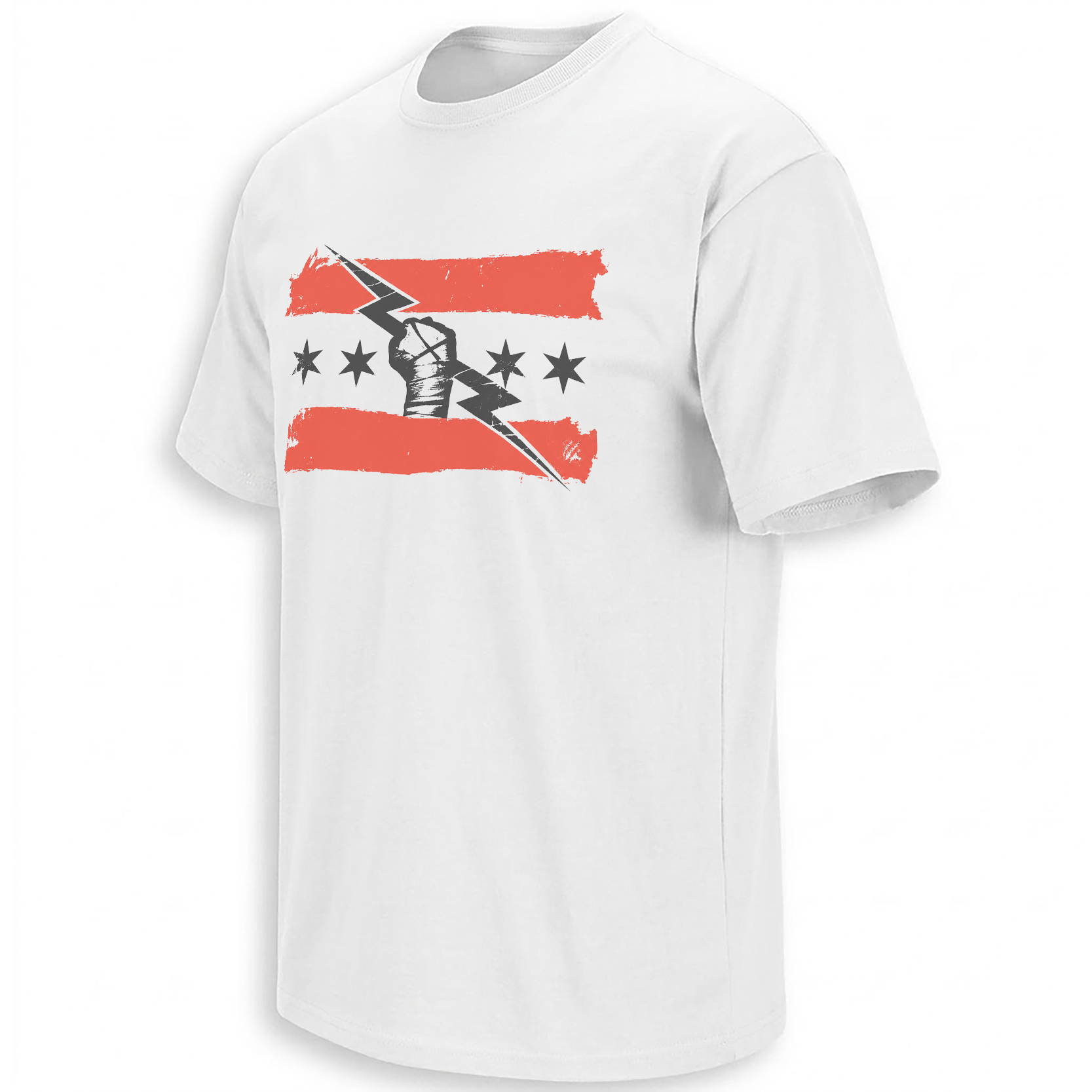
The strongest graphics in this capsule understand that Chicago has one of the most recognizable city flags in American visual culture. The pale blue bars point toward the city’s waterways, while the red six-point stars carry historical memory. On shirts built around Punk, those elements do not function like a tourist postcard. They become wrestling shorthand.
Blue and red immediately place the design inside Chicago. Black adds the Punk edge. The stars become a crowd signal. The composition says that this is not a generic comeback graphic; it belongs to one city, one building, one crowd reaction and one performer whose mythology has always been inseparable from home.
The flag language matters because Punk’s Chicago story is already built on civic ownership. The graphics use stars, stripes, skulls and dark poster energy to make the hometown pop feel physical, almost like a wrestling flyer pulled from a wall after the show.
Six Graphics, One Hometown Wrestling Night
The July 6 Raw conversation was bigger than one image, which is why the group works best as a visual archive. Some pieces lean into the Chicago flag. Some move darker, closer to skull-and-streetwear language. One turns the phrase “Chicago Is the Best in the World” into a civic chant. Another pulls Oba Femi into the same Raw-night ecosystem, reminding fans that Punk’s title shock happened during a show also building toward Oba’s Hell in a Cell collision with Brock Lesnar.
The cleanest civic read of the night: Punk framed through Chicago flag color, hometown return energy and Raw title mythology.
See the flag design →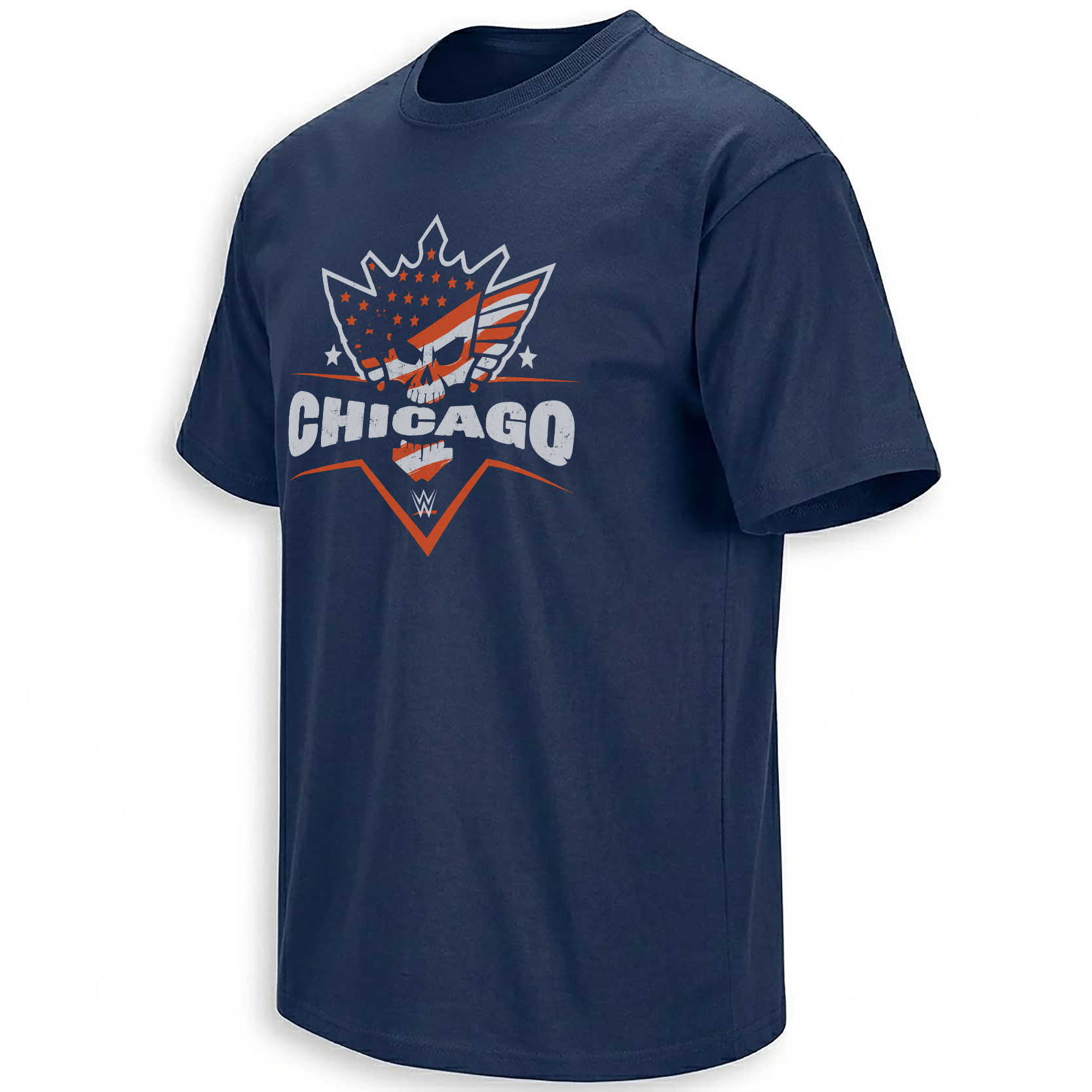
A darker poster-style version that turns the hometown return into skull, flag and street-level wrestling attitude.
Open the skull flag graphic →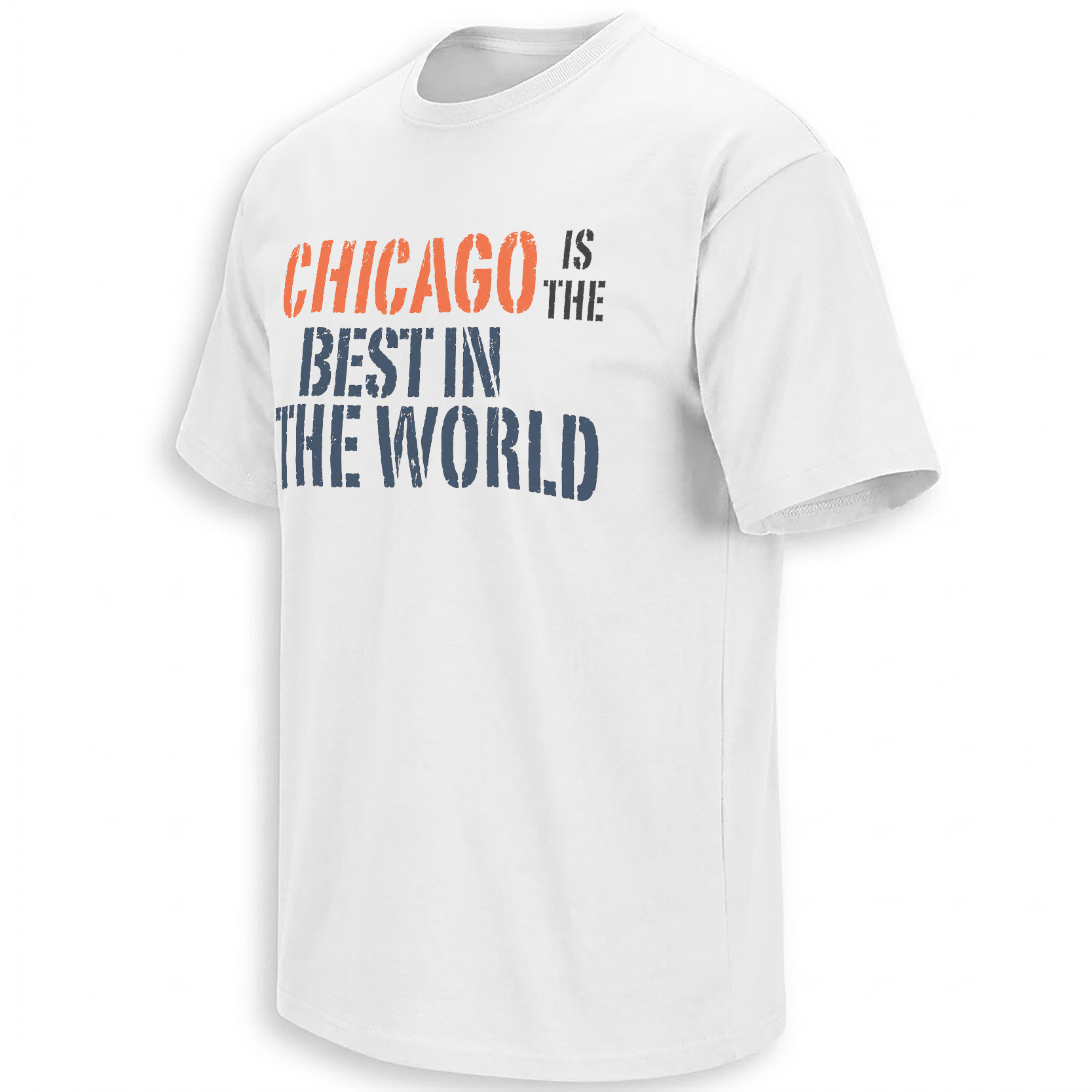
The phrase flips Punk’s signature self-belief into a city chant, making Chicago sound like the speaker of the graphic.
View the chant piece →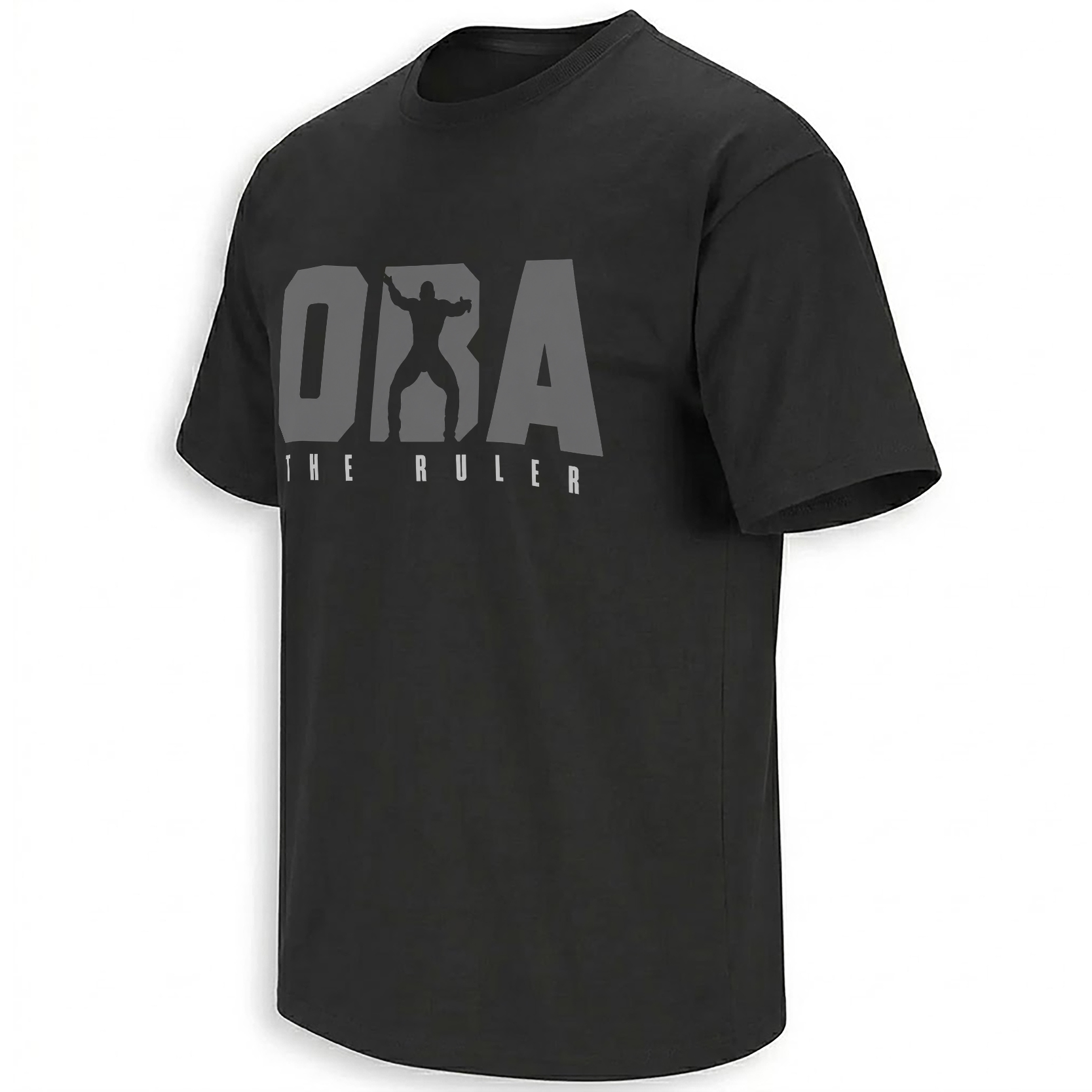
A power-pose insert from the same Raw episode, tied to Oba Femi’s rising SummerSlam threat against Brock Lesnar.
Explore the Raw power graphic →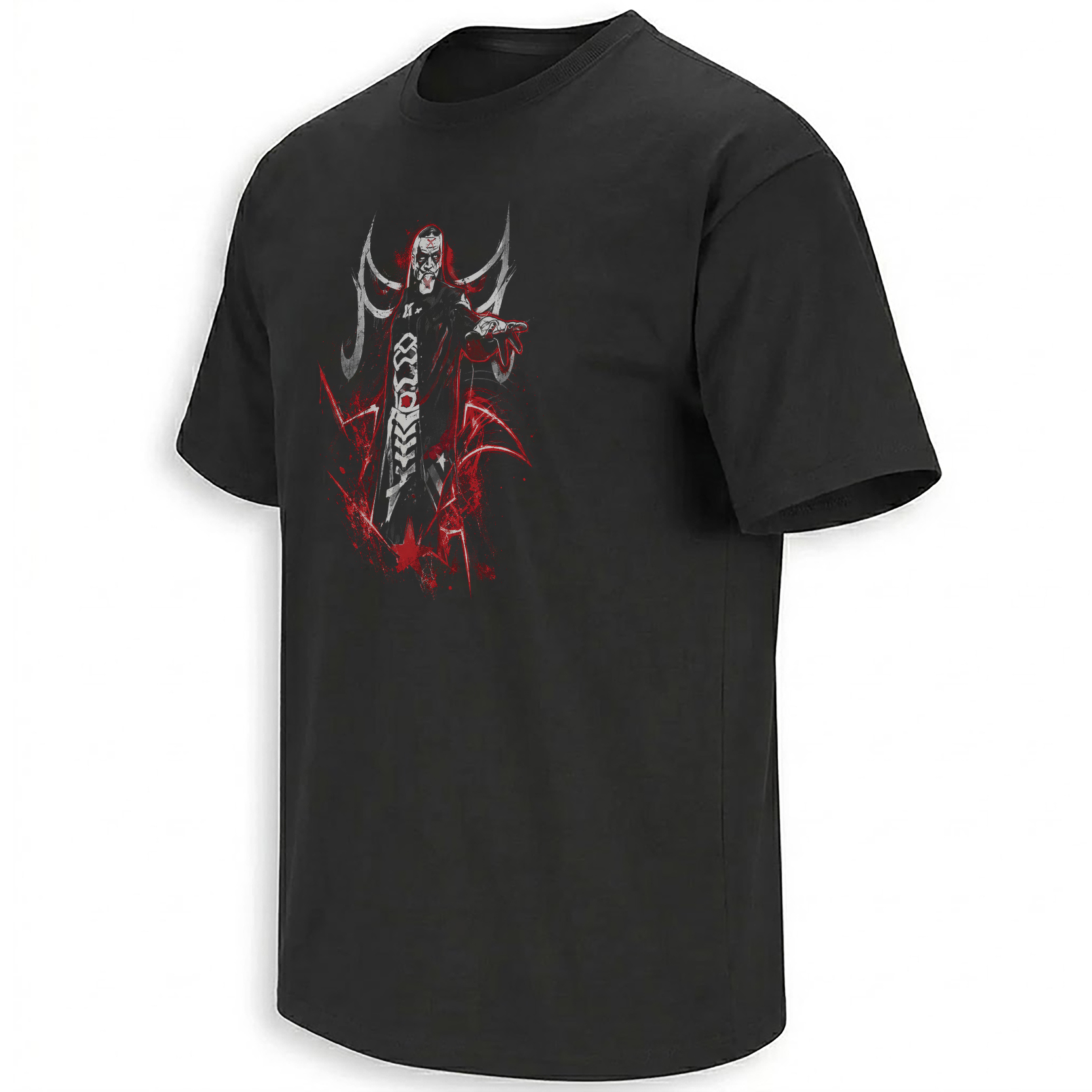
A shadow-heavy treatment for the fans who read the return as grit, noise and unfinished business.
View the dark return piece →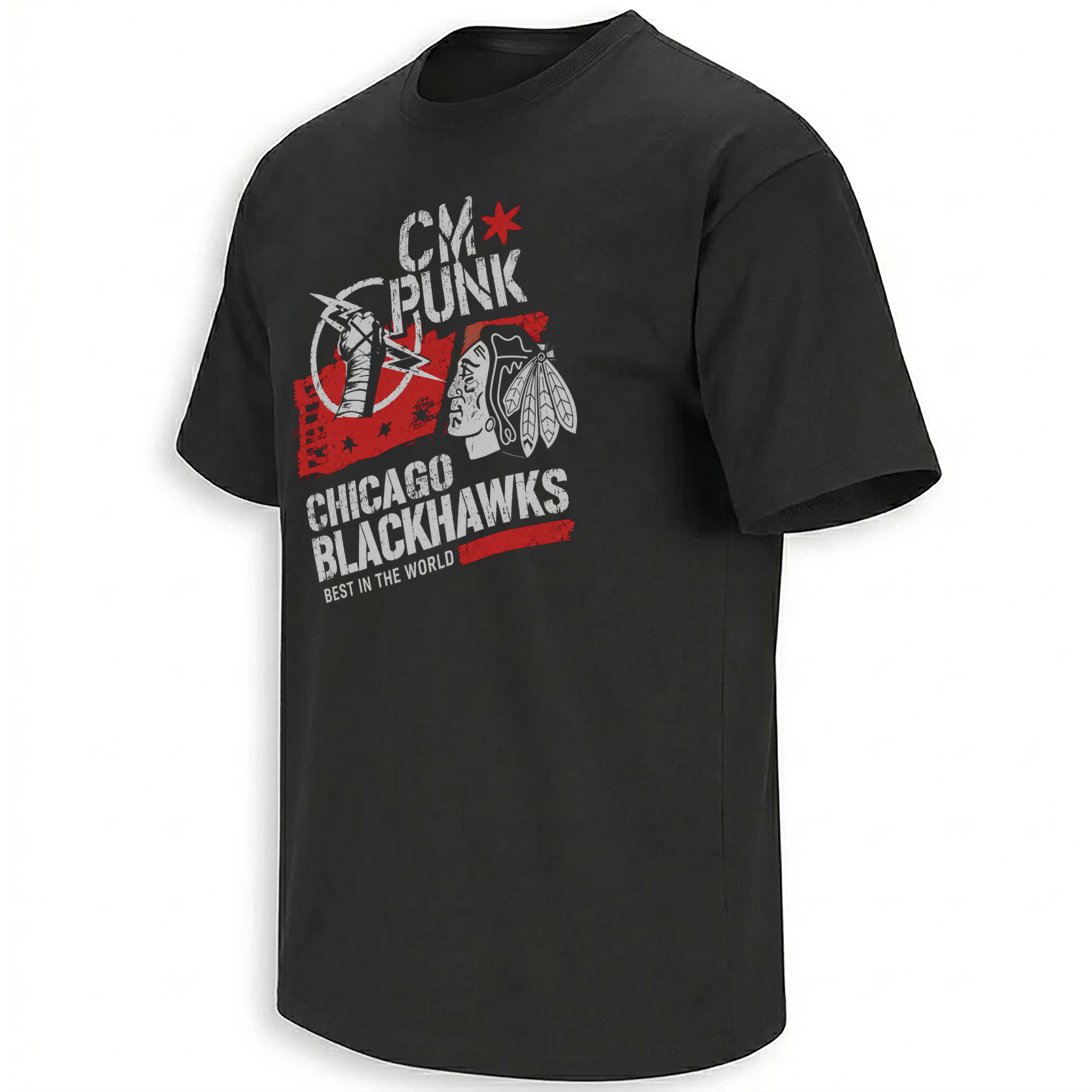
A hockey-coded crossover that connects Punk’s “Best in the World” language with Chicago’s broader sports identity.
Open the crossover graphic →From 2011 Rebellion to 2026 Full Circle
The reason this Raw ending felt so immediate is that Punk’s Chicago history already has a cinematic shape. In 2011, the hometown crowd watched him take the WWE Championship from John Cena and create a moment that fans still talk about as one of the clearest examples of crowd belief changing the temperature of a wrestling show.
In 2026, the circumstances were different. Punk was not the contract rebel threatening to walk out with the title. He was the returning veteran who entered after chaos removed Cody Rhodes from the scheduled match. But Chicago’s role was familiar. The building became a pressure chamber. The crowd made the twist feel inevitable after it happened.
That is the emotional power behind the best pieces in the CM Punk collection. They do not treat Punk as a generic wrestling name. They frame him as a figure whose best-known language is attached to place, defiance, memory and the kind of crowd noise that can make a television ending feel historical.
Why “Best in the World” Hits Harder in Chicago
“Best in the World” has always worked because it sounds like both a boast and a dare. When Punk says it, the phrase carries ego, irony, sincerity and combativeness at once. In Chicago, it becomes communal. The city borrows the phrase and throws it back with local pride.
That is why “Chicago Is the Best in the World” feels natural rather than forced. It shifts the slogan from individual mythology to civic mythology. Punk may be the face of the line, but the city becomes the engine behind it.
The broader WWE collection gives this moment a larger home, because Raw in Chicago was also a SummerSlam setup episode, a title-change episode, an Oba Femi statement episode and a reminder that wrestling apparel often records what the broadcast cannot fully hold: the crowd emotion after the camera cuts away.
Oba Femi Adds a Different Kind of Raw Energy
The Oba Femi graphic belongs in this group because Raw did not only run on nostalgia. The show also pushed forward the future-facing force of Oba, who confronted Paul Heyman while the road to a Hell in a Cell match with Brock Lesnar at SummerSlam grew louder.
Punk carried Chicago memory. Oba carried physical threat. Together, they made the episode feel like two timelines sharing one stage: the hometown myth returning to the top, and the new ruler walking toward the kind of match designed to test whether dominance can survive the cage.
Visually, that difference matters. The Punk pieces use civic symbols, dark hometown atmosphere and flag language. The Oba piece uses stance, power and vertical authority. It feels less like a memory object and more like a warning poster.
How Fans Turn a Raw Ending Into a Wearable Archive
Wrestling fans do not remember major nights only through results. They remember the sound of the entrance, the camera angle after the three-count, the way the crowd reacted before commentary could catch up, and the phrases that instantly become shorthand the next morning.
That is where this Chicago group becomes useful as visual culture. The graphics preserve several fan readings at once: Punk as hometown champion, Chicago as the speaker of the moment, the flag as a wrestling symbol, skull art as rebellion, Oba as rising force and Raw as the episode where multiple roads to SummerSlam suddenly felt sharper.
The result is not one single design language. It is a small archive of reactions. Some fans will remember the night as a title shock. Some will remember it as Chicago reclaiming Punk. Some will argue about Sami Zayn’s short reign. Some will point straight toward SummerSlam. The capsule leaves room for all of those readings.
Frequently Asked Questions
Why is CM Punk so strongly connected to Chicago?
CM Punk is closely tied to Chicago because it is his hometown identity in wrestling culture, and many of his biggest crowd reactions and most important WWE memories are connected to the Chicago area.
What happened with CM Punk on WWE Raw in Chicago on July 6, 2026?
CM Punk replaced Cody Rhodes after Gunther’s attack removed Rhodes from the title match, then defeated Sami Zayn to win the Undisputed WWE Championship.
Why does Money in the Bank 2011 matter to this 2026 Chicago moment?
Money in the Bank 2011 also took place at the Allstate Arena, where Punk defeated John Cena for the WWE Championship, making the 2026 title win feel like a full-circle Chicago image.
Why do the CM Punk Chicago shirts use flag imagery?
The Chicago flag’s blue bars and red stars are instantly recognizable civic symbols, so using them with Punk turns the graphic into a hometown wrestling artifact rather than a standard comeback image.
How does Oba Femi fit into the same Raw Chicago article?
Oba Femi was part of the same Raw episode’s major SummerSlam build, confronting Paul Heyman as WWE pushed toward his Hell in a Cell match with Brock Lesnar.
The CM Punk Chicago Flag Shirt captures the clean civic version of the moment, while the wider CM Punk collection and WWE collection hold the surrounding graphics, Raw-night reactions and SummerSlam-era wrestling language around it.
CM Punk Chicago Flag Shirt captures the July 6, 2026 WWE Raw hometown return through Chicago flag stars, blue-bar civic symbolism and the full-circle energy of Punk winning championship gold again in the city that made his wrestling mythology louder.