Stephen Curry Is Entering Year 18 — and the Bay Is Still Calling No. 30
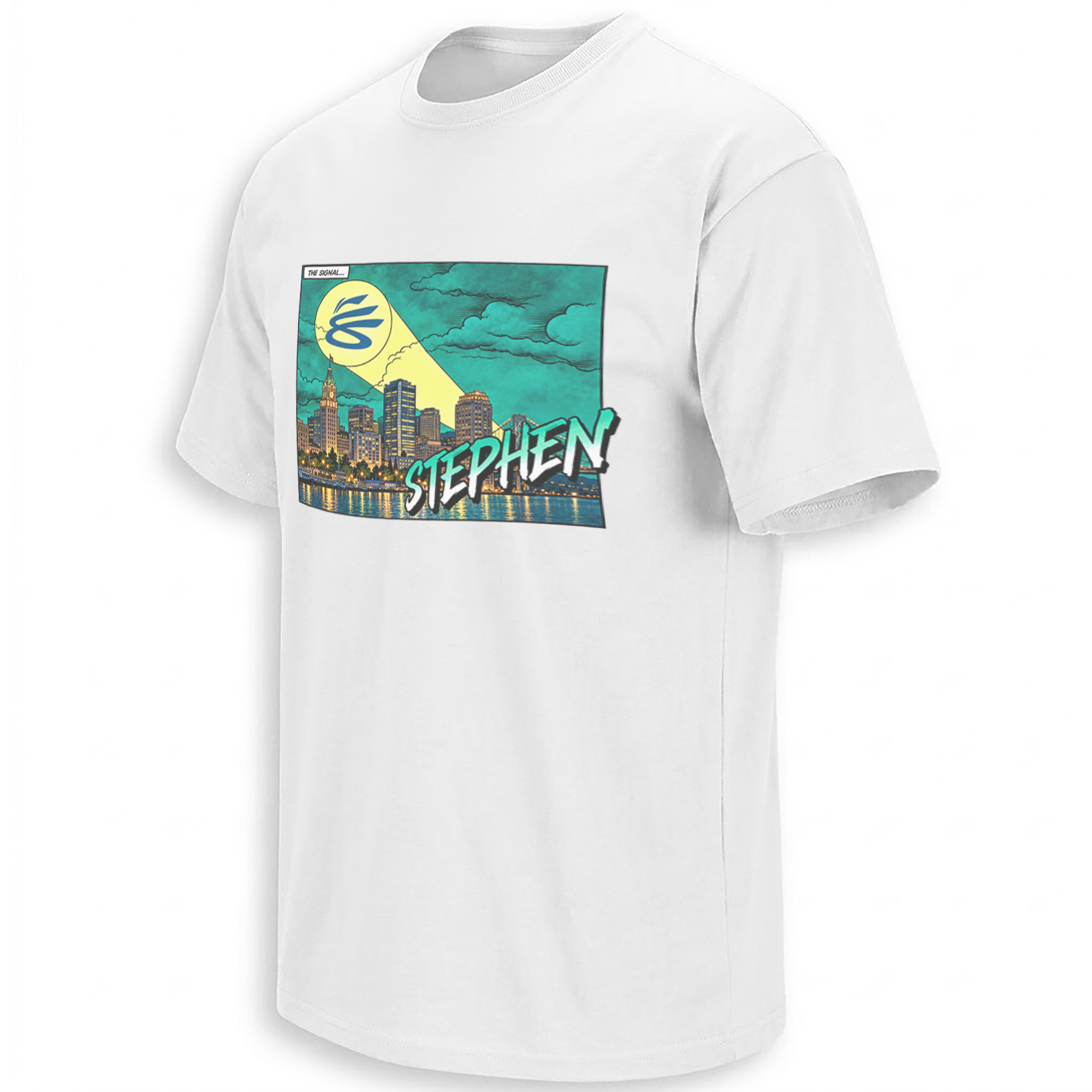
Curry’s future has become one of the loudest Golden State conversations of September 2026. His answer has been unusually simple: he wants to finish where he started. That makes an Oakland skyline throwing his No. 30 into the night feel less like superhero parody and more like Bay Area mythology.
After seventeen NBA seasons, Stephen Curry is approaching a stage of his career when every new year feels partly like basketball and partly like history. Contract questions become legacy questions. Regular-season preparation becomes another reminder that there will not be an unlimited number of Curry seasons left.
That is why his comments entering September mattered so much to Warriors fans. Curry became eligible for another extension before the 2026–27 season, but he was not interested in turning the negotiation into a public countdown. Instead, he returned to the same point he has made repeatedly: he wants Golden State to be the only NBA franchise on his résumé.
“There’s no question I want to be here the rest of my career,” Curry told NBC Sports Bay Area as he prepared for Year 18. The contract can wait. The emotional meaning of the statement cannot. In an NBA culture where superstar movement constantly rewrites relationships between players and cities, one of the defining stars of the modern era is still talking about permanence.
A bat-signal works because everyone knows who is supposed to answer. In Bay Area basketball, a glowing No. 30 creates almost the same effect.
Why the Bat-Signal Metaphor Fits Curry
The Batman reference is obvious enough: dark skyline, giant beam, a symbol thrown into the clouds whenever the city needs its hero. But the Curry version works because Warriors culture has produced its own version of that ritual.
When a possession collapses, Curry gets the ball. When the arena needs oxygen, one deep three can change the room. When a season starts to feel unstable, the conversation eventually circles back to the same question: what can No. 30 still create?
That relationship has become so familiar that the design does not need a complicated portrait. A silhouette of the city and a Curry signal in the sky can carry the idea by themselves.

Oakland Is the Detail That Gives the Design Memory
If the skyline were generic, the graphic would simply be a Curry superhero joke. Oakland gives it history.
The Warriors left Oracle Arena for Chase Center in San Francisco in 2019, but the franchise has repeatedly acknowledged that Oakland remains fundamental to its identity. The team’s “Oakland Forever” uniforms made that relationship explicit, bringing the city name back across Curry’s chest and connecting the modern dynasty to the East Bay arena where so much of its mythology was built.
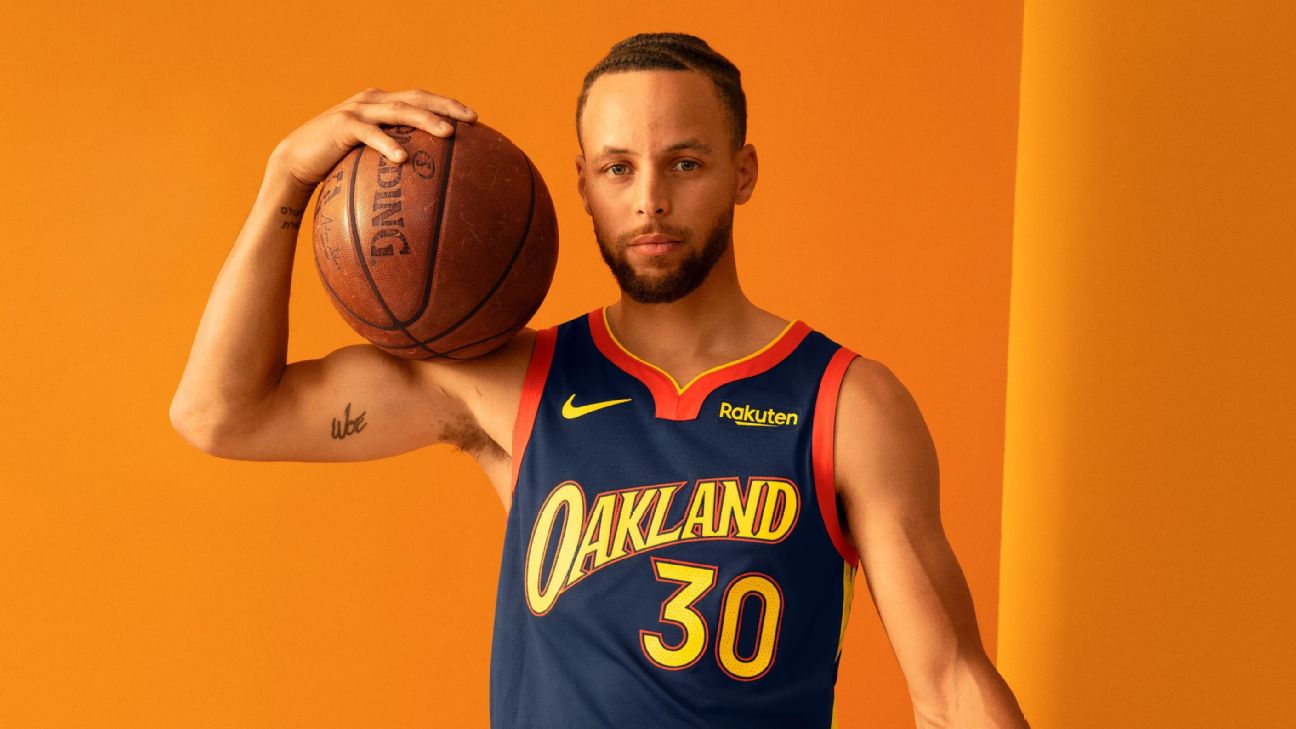
That history is why an Oakland skyline underneath Curry’s symbol feels specific rather than interchangeable. Oracle was where the noise acquired mythology. It was where the early Curry years became the championship years, where impossible shooting slowly stopped feeling impossible and where the modern Warriors learned what their audience sounded like at full volume.
The skyline creates place, the night sky creates drama and the projected No. 30 turns a jersey number into a civic symbol. Blue and gold keep the superhero reference inside Warriors culture instead of letting it drift into generic comic imagery.
The Current Curry Conversation Is Really About Permanence
The 2026 contract discussion explains why the design feels particularly sharp right now. Curry is not simply preparing for another season. He is entering the final year of his current deal while openly talking about finishing his career in Golden State.
Warriors fans immediately understood the emotional importance of that statement. On Reddit, a highly upvoted discussion around Curry’s comments quickly turned into appreciation for the rarity of a superstar spending an entire career with one franchise.
That reaction is important because it shows how supporters are processing Year 18. The conversation is no longer only “Can Curry still score?” It is also “How should the final stage of this relationship look?” Every future game now carries a little more archival weight.
A Skyline Can Say More Than Another Player Portrait
Curry apparel often relies on the familiar ingredients: a shooting pose, No. 30, championship trophies or a record. The Bat-Signal concept works differently because it removes Curry’s face from the center of the composition and replaces it with his cultural footprint.
The city becomes the protagonist. Curry becomes the symbol above it.
That makes the graphic feel closer to a poster about the relationship between a player and a place than a conventional player tee. It connects naturally to the wider Golden State Warriors collection, where different designs preserve separate stages of the dynasty, while the broader NBA collection tracks the league-wide moments surrounding stars, teams and changing eras.
More Curry-specific graphics can also be found through the Stephen Curry product archive, which becomes increasingly interesting as Year 18 turns new moments into another layer of Warriors history.
Frequently Asked Questions
Why is Stephen Curry’s future a major Warriors topic in September 2026?
Curry is entering Year 18 and the final season of his current contract while being eligible for another extension, creating natural discussion about how long his Golden State career will continue.
What has Curry said about staying with Golden State?
Curry said in late August that there is “no question” he wants to remain with the Warriors for the rest of his career and that contract discussions will happen at the appropriate time.
What does the Stephen Curry Bat-Signal design mean?
The graphic transforms Curry’s No. 30 identity into a superhero-style signal above the Bay Area skyline, suggesting that he remains the figure Golden State looks toward when the moment becomes urgent.
Why does the design use Oakland instead of only San Francisco?
Oakland was home to the Warriors for decades and to the arena where much of the Curry-era dynasty was built. The franchise has continued to celebrate that history even after moving to Chase Center in San Francisco.
Why does the royal blue version feel different from the white version?
Royal blue pushes the artwork deeper into Warriors night-game colors and gives the yellow signal stronger contrast, while the white version reads more like a clean graphic poster.
The Stephen Bat-Signal graphic turns that recognition into a Bay Area night scene, while the wider Golden State Warriors archive records the many visual languages that have grown around No. 30’s career.
Stephen Bat-Signal Shirt turns Curry’s No. 30 into a glowing symbol above the Oakland skyline, connecting Warriors superhero imagery with Stephen Curry’s Year 18 commitment and the Bay Area memory behind his career.