
Murakami & Vargas: South Side, Take a Bow
Munetaka Murakami and Miguel Vargas have become one of the defining pairings of Chicago’s unexpected 2026 surge — two different hitters, the same home-run total entering the Crosstown series, and a growing collection of nights when one swing seems to invite the other.
By the end of August 16 in Detroit, the number was almost comically symmetrical: Munetaka Murakami, 28 home runs. Miguel Vargas, 28 home runs. Both had gone deep in a 7–5 comeback win that completed a White Sox sweep of the Tigers and widened Chicago’s grip on the American League Central.
The symmetry went deeper than the season totals. It was the tenth game in 2026 in which Murakami and Vargas had both homered, tying the White Sox franchise record for a duo. Chicago had suddenly produced a pairing that belonged in the same statistical conversation as previous combinations involving Frank Thomas, Jermaine Dye, Jim Thome, Carlos Lee, Luis Robert Jr. and Jake Burger.
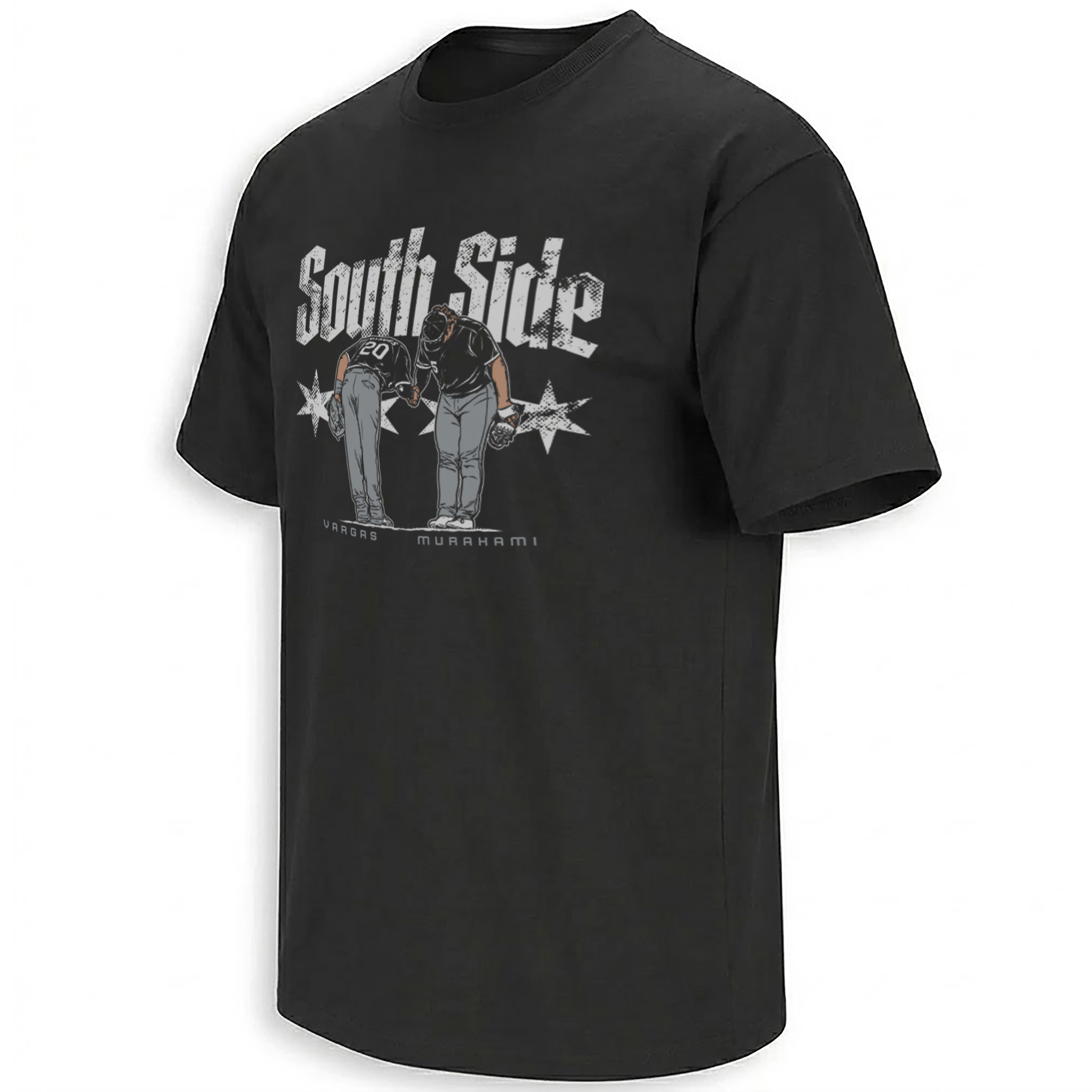
That is the emotional foundation underneath “South Side Take a Bow.” The phrase is less about one literal bow than about recognition. Chicago’s season has reached the point where the performances demand a moment of acknowledgment.
The appeal of the duo is not that they hit the same way. It is that the lineup keeps finding different routes to the same ending: another ball leaving the yard.
The Detroit Sweep Turned the Duo Into a Headline
Chicago entered the weekend with Detroit close enough in the standings to make the series feel like a real divisional pressure test. The White Sox left Comerica Park with three wins and a much louder argument that the AL Central was theirs to lose.
On Sunday, they trailed 3–0 and later 4–1. Murakami delivered the decisive two-run homer in the seventh, his 28th. Vargas added his 28th in the ninth, his third home run of the series.
MLB’s own recap emphasized the pairing: it was the tenth time this season the two had homered in the same game. That is exactly the kind of statistic that converts a productive lineup into a recognizable fan narrative.
Murakami Changed What the White Sox Lineup Could Look Like
Murakami arrived in Chicago carrying expectations created by years of power production in Japan. His first MLB season has not unfolded without interruption — he missed time with a hamstring injury — but the power translated quickly enough to reshape how opponents approach the center of the White Sox order.
His home runs often feel visually different from ordinary damage. They carry the mythology of a hitter whose raw power was already famous before he reached the South Side. When he returned from injury and kept producing, the story changed from curiosity to sustainability.
By August 18, Murakami had reached home run No. 29. The milestone arrived even as the White Sox were enduring a difficult Crosstown stretch at Wrigley, another reminder that individual power does not stop simply because the larger game becomes uncomfortable.
Vargas Has Become the Perfect Counterweight
Vargas’ path creates a different kind of emotional energy. His arrival in Chicago came through the 2024 trade that sent him away from a Dodgers organization operating at the opposite end of baseball’s competitive spectrum. The early transition was difficult.
In 2026, that storyline looks transformed. Vargas became an All-Star, moved into the core of a winning White Sox offense and reached the same 28-homer mark as Murakami on August 16. Two days earlier in Detroit, he had already produced a two-homer, four-hit night in a 9–5 win.
Left-handed thunder, international star power and the kind of upper-deck threat that changes how every at-bat feels before contact.
A career revival that has become inseparable from Chicago’s own rise — less imported mythology, more South Side reinvention.
Why “Take a Bow” Fits This Particular Moment
The South Side Take a Bow design does not need to imitate a box score. Its job is emotional compression. Murakami and Vargas are presented as a paired performance — the stars at the end of a show acknowledging an audience that has watched the season become increasingly real.
The External Image Tells the Same Story
Long before the August sweep, Murakami and Vargas were already appearing together as symbols of Chicago’s changing direction. Both represented the White Sox at the 2026 All-Star Game, and photographs from Philadelphia repeatedly framed them side by side.
Murakami and Vargas appeared together among Chicago’s All-Star contingent in Philadelphia, visually establishing the pair as faces of the White Sox season before their August home-run surge peaked. Open the original editorial photograph →
The Bigger Story Is That Chicago Is Relevant Again
A phrase like “Take a Bow” would feel hollow if the individual statistics existed inside a lost season. That is not the situation in 2026. The White Sox entered the Crosstown Classic after sweeping Detroit and carrying the division lead.
That team context changes how fans process every Murakami and Vargas homer. The swings are not being archived only as personal milestones. They affect a pennant race.
The South Side has spent years searching for a new competitive identity. Murakami and Vargas now represent two parts of the answer: a globally recognized slugger who chose Chicago and a player who rebuilt his standing after arriving from Los Angeles.
That broader season can be followed through Ellie Shirt’s MLB Shirts collection, while individual player pieces can be found through the Munetaka Murakami search and Miguel Vargas search.
Frequently Asked Questions
Why are Munetaka Murakami and Miguel Vargas being paired together?
Both became central power hitters for the 2026 White Sox and had 28 home runs apiece after Chicago’s August 16 sweep-clinching win in Detroit.
How many times had Murakami and Vargas homered in the same game by August 16?
They had both homered in the same game ten times during the 2026 season, tying the White Sox franchise record for a duo.
What happened in the August 16 White Sox-Tigers game?
Chicago rallied from an early deficit to win 7–5. Murakami hit the go-ahead two-run homer in the seventh, while Vargas added a solo homer in the ninth to complete the three-game sweep.
What does “South Side Take a Bow” mean?
The phrase works as a theatrical acknowledgment of Murakami and Vargas’ shared power surge and their increasingly central role in Chicago’s 2026 season.
Why is the 2026 season significant for the White Sox?
The club entered mid-August leading the AL Central, while Murakami, Vargas and the rest of the lineup turned what began as an unexpected rise into a legitimate division race.
The South Side Take a Bow graphic captures the moment Murakami and Vargas began to feel less like separate stories and more like one of the defining partnerships of Chicago’s 2026 run.
South Side Take a Bow Shirt captures Munetaka Murakami and Miguel Vargas as the White Sox power duo of 2026, celebrating their matching home-run surge, Detroit sweep and growing place in South Side baseball culture.