Robbie Ray Brings “Robbie K” to San Diego: Why the Padres Bet on Strikeout Energy
San Diego’s acquisition of Robbie Ray is another unmistakably aggressive deadline move: a former Cy Young winner, an established left-handed strikeout identity and a veteran asked to turn a strong 2026 run into meaningful October innings.
The Padres did not approach the 2026 trade deadline like a club interested in protecting the future from every possible risk. They approached it like San Diego usually does under A.J. Preller: identify impact talent, accept the prospect cost and make the current roster harder to face.
Robbie Ray arrived from San Francisco on August 3 as one half of San Diego’s rotation overhaul. The Padres also acquired Casey Mize, giving them two experienced starters during a season in which the club remained close enough to the postseason race to justify another aggressive investment.
Ray entered the deal after an excellent midseason stretch with the Giants. Across seven outings before the trade, he went 5–0 with a 1.26 ERA over 43 innings. That run transformed him from an interesting veteran into one of the deadline’s most relevant available starters.
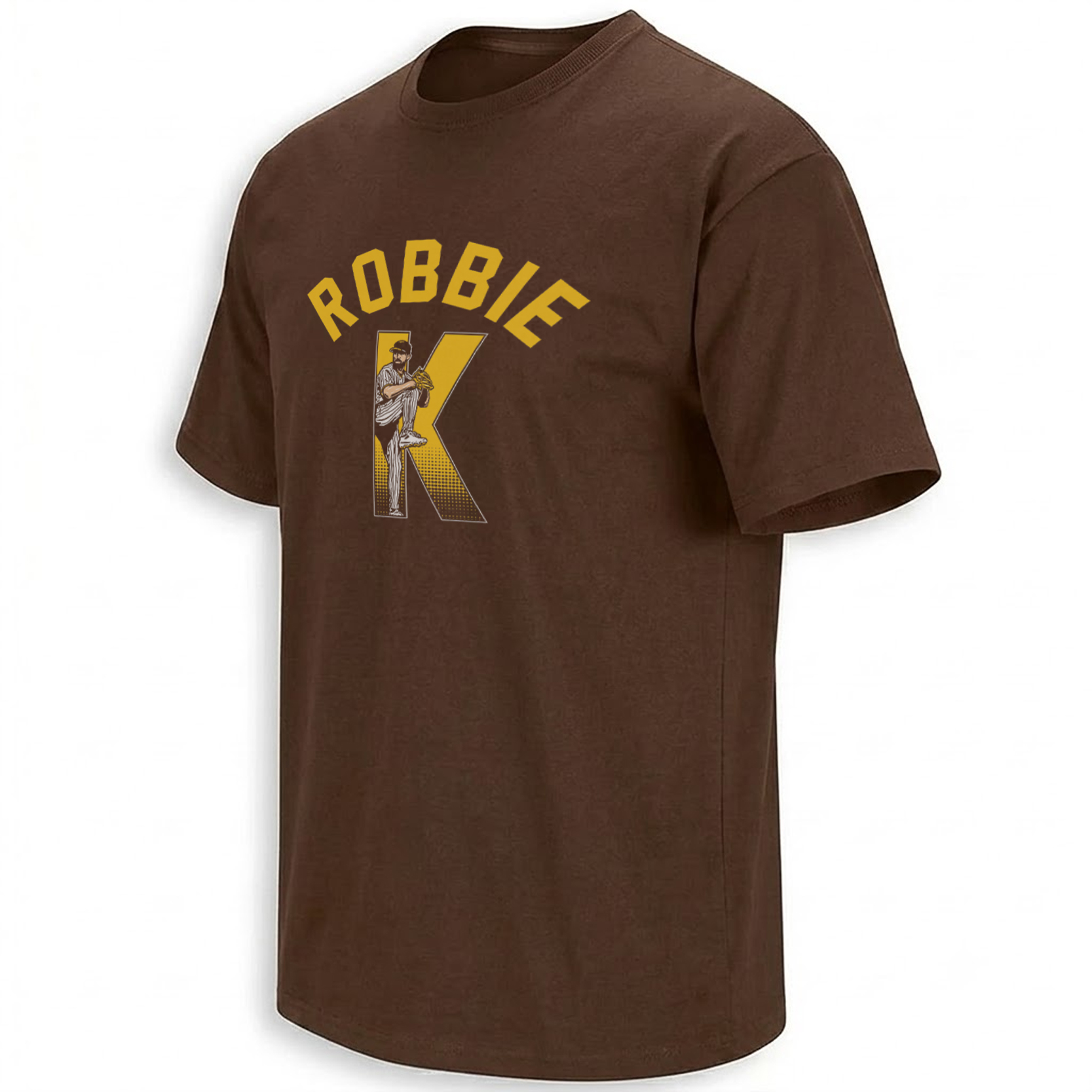
“Robbie K” works because it reduces Ray’s entire pitching personality to one letter: the outcome he has chased with maximum effort throughout his career.
Why Strikeouts Remain Robbie Ray’s Visual Language
Some pitchers create their identity through efficiency. Others are remembered through movement, deception or the calm repetition of ground balls. Ray’s pitching has always looked more confrontational.
His delivery carries visible force. The leg lift, rotation and extension create the impression that every pitch demands a complete physical commitment. When the fastball and slider are working together, the result is a sequence built around swings through the zone rather than soft contact placed conveniently at a defender.
That makes the letter K a natural design symbol. In baseball scorekeeping, it communicates the strikeout immediately. Attached to Ray’s first name, it becomes both nickname and performance expectation: Robbie Ray is in the game to miss bats.
See the Padres’ Original Trade Announcement Directly
San Diego’s official announcement confirms the transaction and places the new uniform context directly inside the story. The X post below uses the platform’s official widget, allowing its media and account information to appear without requiring readers to leave the blog.
Watch the Deadline Reaction Inside the Article
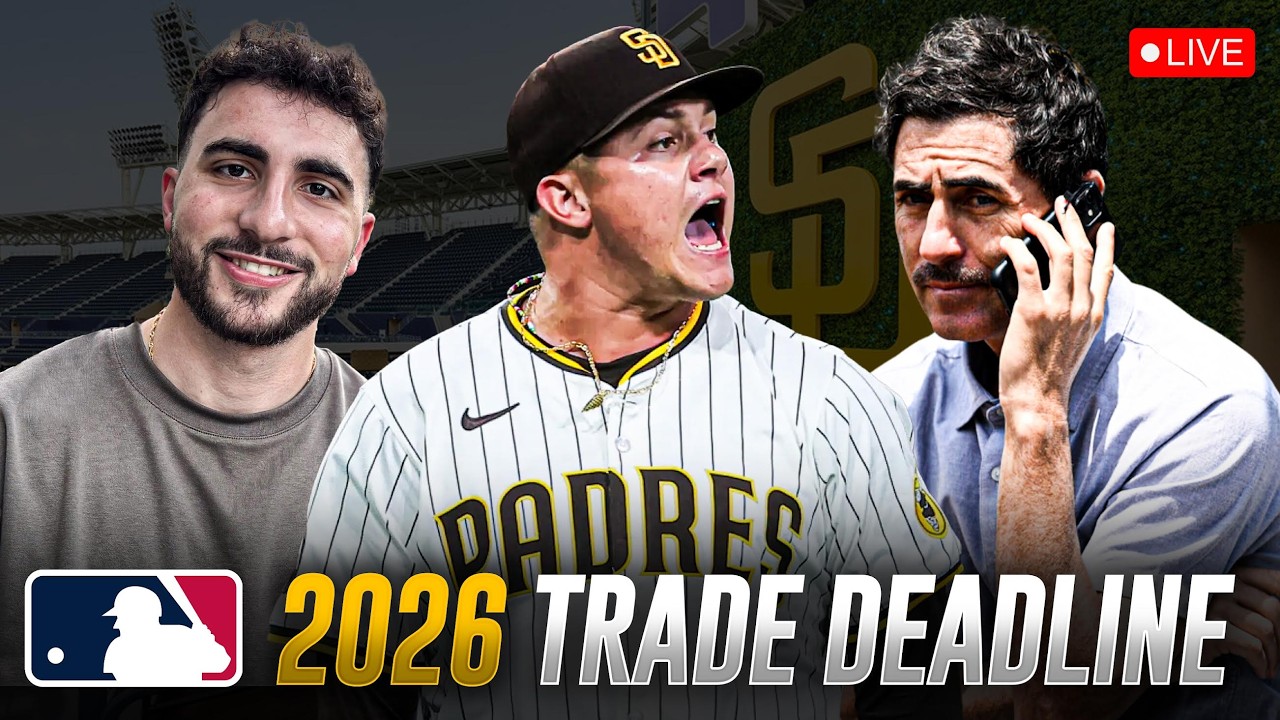
The trade arrived as part of a deadline defined by San Diego’s refusal to behave cautiously. The embedded discussion below examines Ray’s fit, the prospect cost and what the move says about the Padres’ belief in their current window.
Why San Diego Needed Another Established Starter
A playoff rotation cannot be constructed entirely through optimism. Injuries, uneven performance and the volatility of short postseason series make proven innings especially valuable. Ray gives San Diego a left-handed option with experience carrying a rotation and pitching under significant expectations.
The Padres also understood that the acquisition was temporary unless a new contract follows. Ray is scheduled to reach free agency after the season. That short window increases the pressure but clarifies the purpose of the transaction: San Diego did not acquire him to symbolize a distant plan.
Ray’s recent form made the gamble easier to understand. He had moved beyond merely returning from elbow surgery and was again producing stretches in which opponents struggled to create sustained offense.
The oversized K operates like a ballpark strikeout sign. Brown and gold relocate Ray’s established pitching identity into San Diego, while the delivery pose keeps the composition in motion rather than presenting him as a static deadline portrait.
The Cy Young Memory Still Shapes the Expectation
Ray’s 2021 American League Cy Young season remains the clearest evidence of his ceiling. That year established what his arsenal can become when command, velocity and confidence align across a full season.
San Diego is not necessarily asking for a complete recreation of that award-winning campaign. Deadline acquisitions are often evaluated through a narrower question: can the player produce enough strong starts to change the club’s postseason probability?
Ray’s strikeout history gives that question emotional force. A pitcher who misses bats can escape an inning without requiring every defensive variable to cooperate. In October, that independence can become especially valuable.
A Familiar Rival Becomes a San Diego Weapon
The move also changes the geography of Ray’s season. He moved from one National League West club to another, carrying direct knowledge of divisional opponents and recent experience pitching within the same competitive environment.
For Padres supporters, the transition is immediate. A pitcher previously viewed through the tension of Giants-Padres games now becomes part of San Diego’s attempt to survive the same division and chase a postseason place.
The wider San Diego Padres collection records those deadline arrivals, player identities and Petco Park storylines. The broader MLB collection follows how trades can relocate a player’s established visual language without erasing it.
Frequently Asked Questions
When did the Padres acquire Robbie Ray?
San Diego acquired Ray from the San Francisco Giants on August 3, 2026, shortly before the MLB trade deadline.
What does “Robbie K” mean?
It combines Ray’s first name with the scorekeeping symbol for a strikeout, emphasizing the swing-and-miss identity associated with his career.
Why did San Diego trade for Ray?
The Padres wanted another established starter, a left-handed rotation option and a pitcher capable of producing strikeouts during the postseason race.
Is Robbie Ray under contract beyond 2026?
Ray is scheduled to become a free agent after the 2026 season, making the trade an immediate postseason investment unless a new agreement follows.
The Robbie K design preserves Ray’s strikeout identity in Padres colors, while the wider San Diego Padres archive follows the deadline moves and players shaping the club’s postseason push.
Robbie K Shirt brings Robbie Ray’s strikeout identity into San Diego after the Padres acquired the former Cy Young winner for their 2026 postseason rotation push.