67, 69, 7-11, 9-11: How Four Numbers Became One Chaotic Meme
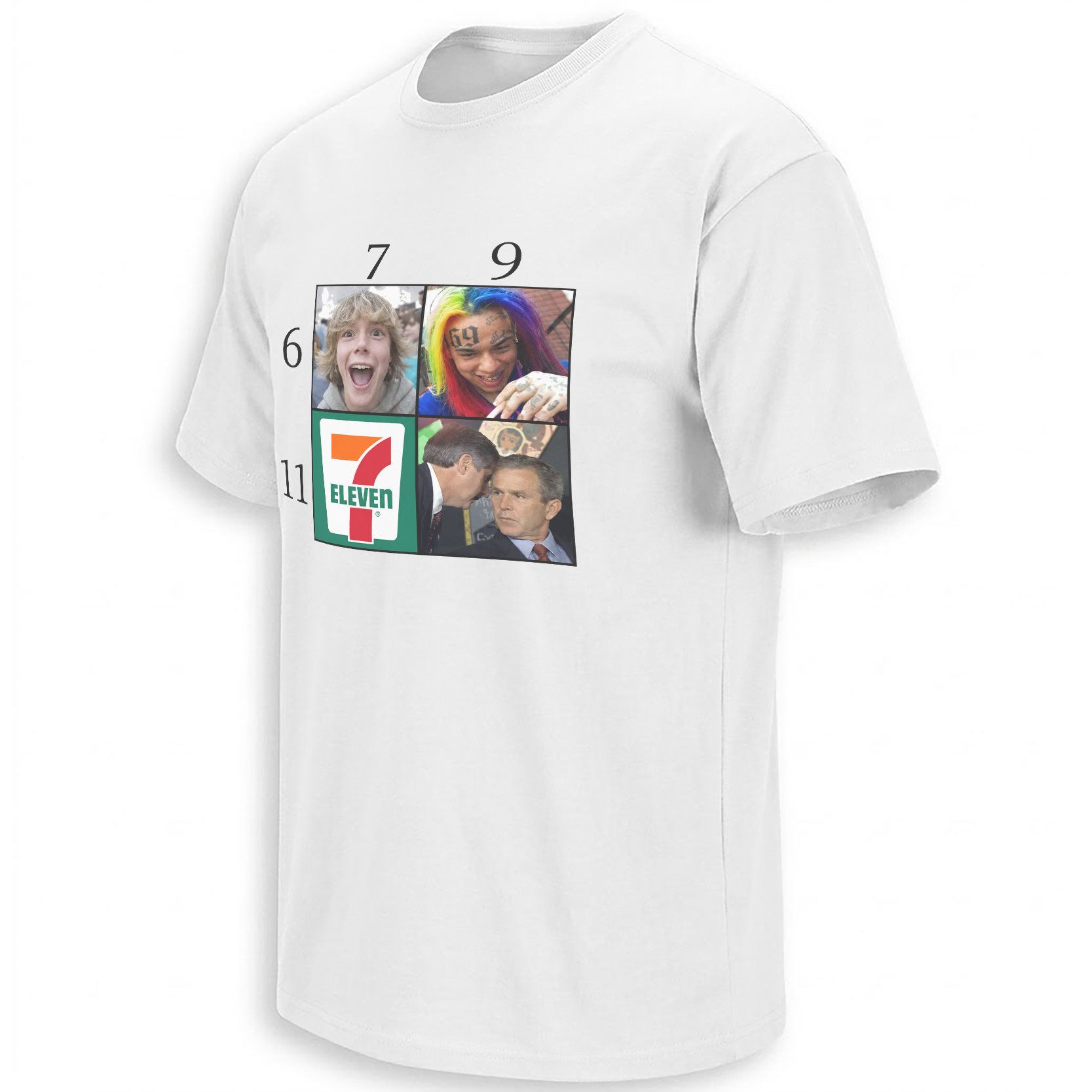
The graphic begins with the Six Seven Kid, moves through rapper 6ix9ine and the 7-Eleven logo, then ends with George W. Bush. There is no coherent story connecting them—and that absence of logic is exactly the point.
Most jokes lead the audience toward a punchline. The 67, 69, 7-11, 9-11 grid does the opposite. It provides four familiar images, assigns each one a pair of numbers and trusts the viewer to recognize a chain that becomes increasingly inappropriate as it progresses.
The first panel belongs to the Six Seven Kid, the young basketball spectator whose excited shout and palms-up hand gesture helped transform “six seven” into one of the defining youth memes of 2025. The second panel replaces the child with rapper 6ix9ine, whose stage name visually supplies six and nine. The third needs almost no explanation: the green, orange and red convenience-store identity reads immediately as seven-eleven.
The final panel breaks the harmless rhythm. George W. Bush appears as the visual cue for nine-eleven, typically through imagery associated with the moment he was informed of the September 11 attacks while visiting a Florida elementary school. The grid therefore travels from nonsense slang to a rapper, a store and one of the most traumatic events in recent American history.
Nothing connects the four panels except numbers, recognition and the internet’s willingness to place childhood nonsense beside historical trauma.
Where the Six Seven Meme Came From
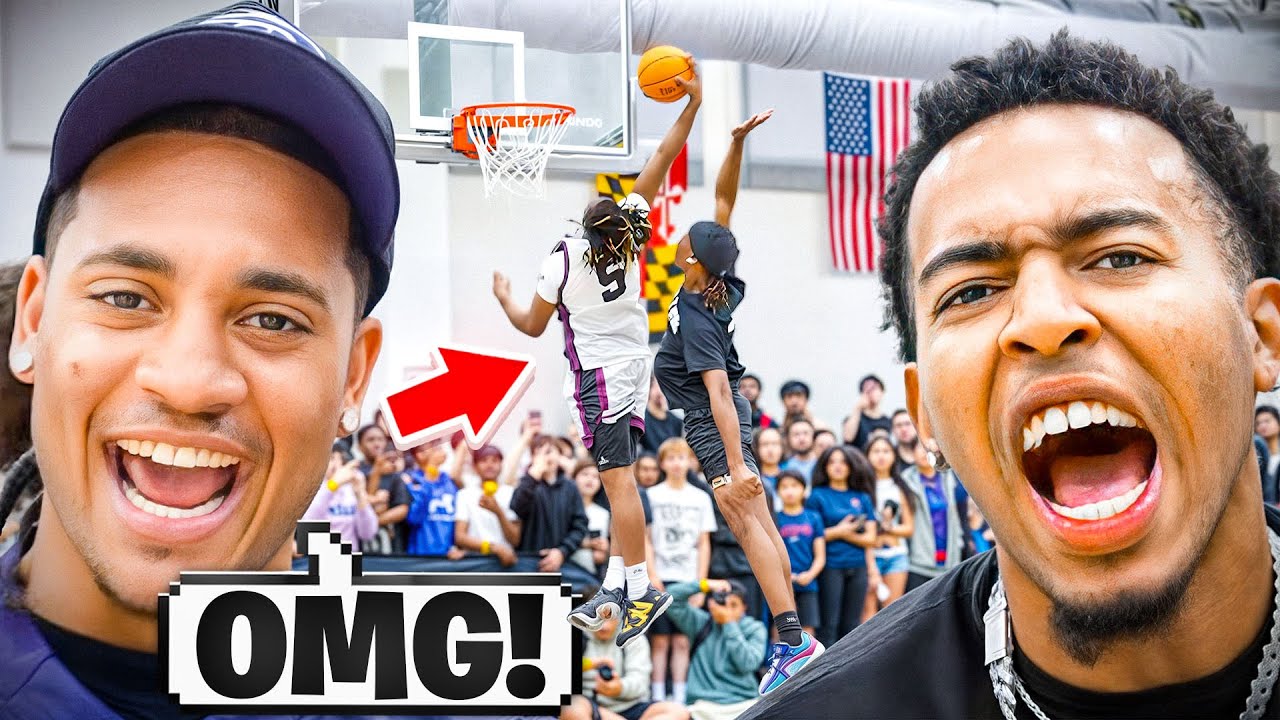
“Six seven” originally spread through Skrilla’s track “Doot Doot (6 7)” and basketball edits, especially clips involving players whose listed height was six feet seven inches. Its meaning remained deliberately unstable. It could be shouted after a team reached 67 points, used as a response with no clear relevance or performed with the balancing hand gesture associated with the trend.
The meme gained a recognizable face when Maverick Trevillian appeared in a Cam Wilder basketball video, yelling the phrase from the crowd. Online users named him the 67 Kid, circulated edits of his expression and eventually transformed him into a character separate from the original clip.
The appeal was not based on a hidden message. Adults kept asking what “six seven” meant, while younger users enjoyed belonging to a joke that became less funny when explained. Its emptiness became social currency: understanding that it did not need to mean anything was part of understanding it.
Why 69 and 7-Eleven Fit So Easily
The jump from 67 to 69 works because both numbers already have independent meme histories. While “six seven” represents recent Gen Alpha absurdity, 69 is one of the internet’s oldest automatic jokes. Seeing the number has long prompted users to respond with “nice,” even when no sexual meaning was intended by the original post.
Rapper 6ix9ine provides a human visual shortcut. His colorful appearance and stylized name allow the panel to communicate the number without printing it directly. The viewer recognizes the person, translates the name and completes the joke mentally.
The 7-Eleven panel is even cleaner. The brand name is already a pair of numbers spoken aloud. Its familiar color scheme creates a moment of visual order in an otherwise chaotic sequence, acting like the easiest clue before the final panel changes the emotional temperature.
Why the George W. Bush Panel Changes the Joke
September 11 is not merely another number reference. The attacks killed thousands of people and remain part of living family, national and geopolitical memory. Images of Bush being informed about the attacks have been circulated for years as documentary photography, political symbolism and conspiracy-related meme material.
In the number grid, that history is compressed into the same visual size as a convenience-store logo. The mismatch creates the shock. Viewers are led through harmless recognition games and then asked to process a historical tragedy as the final numerical answer.
The design does not present a factual claim that George W. Bush caused the September 11 attacks. It uses his widely recognized connection to the presidency and the classroom image from that morning as visual shorthand for “9-11.” Because the reference involves real victims and trauma, audiences may interpret the joke very differently.
How the Grid Turns Recognition Into the Punchline
The artwork resembles a classroom matching exercise, flash-card sheet or low-budget game-show board. Each square appears to ask the same question: which pair of numbers does this image represent?
That structure creates participation. The words are not funny by themselves. The viewer produces the joke by identifying the child, translating the rapper’s name, reading the store logo and recognizing the historical figure. Completing the sequence becomes the punchline.
The bright borders and white background keep the layout visually innocent, almost educational. That innocence makes the final square more disruptive. It looks like a worksheet designed by someone whose browser history includes basketball TikTok, rap memes, convenience-store branding and years of politically incorrect image macros.
Why Brainrot Memes Keep Becoming More Complicated
Earlier internet jokes often depended on one image and one caption. Newer meme chains reward users for carrying multiple layers of background knowledge at once. A viewer must recognize a short-form-video celebrity, understand an artist’s stylized name, identify a corporate logo and remember a political image from before many current users were born.
The result appears stupid on the surface but is cognitively dense. Its humor depends on information retrieval, speed and membership in several overlapping online cultures. Someone unfamiliar with only one panel cannot complete the sequence.
The wider Newest collection functions as a running archive of these short-lived visual languages. The 67, 69, 7-11, 9-11 graphic belongs there as a timestamp from the moment the Six Seven Kid’s nonsense phrase collided with much older internet jokes and historical meme imagery.
Frequently Asked Questions
What does the 67, 69, 7-11, 9-11 meme mean?
It is a visual number-association joke connecting the Six Seven Kid, rapper 6ix9ine, the 7-Eleven brand and George W. Bush imagery associated with September 11.
Who is the 67 Kid?
He is Maverick Trevillian, a young basketball spectator who became viral after shouting “six seven” and performing the meme’s recognizable hand gesture.
Why is 6ix9ine included in the grid?
His stage name visually combines six and nine, allowing his portrait to represent “69” without writing the number directly.
Why is George W. Bush used for 9-11?
Bush was U.S. president during the September 11 attacks, and the image of him being informed while visiting a classroom became one of the event’s most recognizable political photographs.
Is the meme intended as a factual political statement?
No. The design functions as an absurd visual association grid, although its use of September 11 imagery gives the final panel a darker and more controversial meaning.
The 67, 69, 7-11, 9-11 design captures the layered recognition game behind the meme, from Gen Alpha basketball slang to one of the internet’s darkest historical references.
67, 69, 7-11, 9-11 Meme Shirt connects the Six Seven Kid, 6ix9ine, 7-Eleven and George W. Bush through a chaotic four-panel number-association joke rooted in brainrot and dark internet humor.