
“No One Watches Men’s Sports”: The WPBL Opened With Its Own Fan Language
The slogan appeared as the Women’s Pro Baseball League began its inaugural season in Springfield, Illinois—part parody, part celebration and part answer to every claim that audiences will not watch women play baseball.
The Women’s Pro Baseball League did not begin with an empty experiment. Opening Day arrived on August 1, 2026, with a sold-out atmosphere, national streaming coverage and a dramatic comeback between the Los Angeles Queens and New York Heights.
Los Angeles erased a four-run deficit and won 10–8, giving the new league exactly the kind of first game that could produce highlights, player introductions and immediate fan allegiance. The score mattered, but so did the sight of professional women playing baseball under their own league identity.
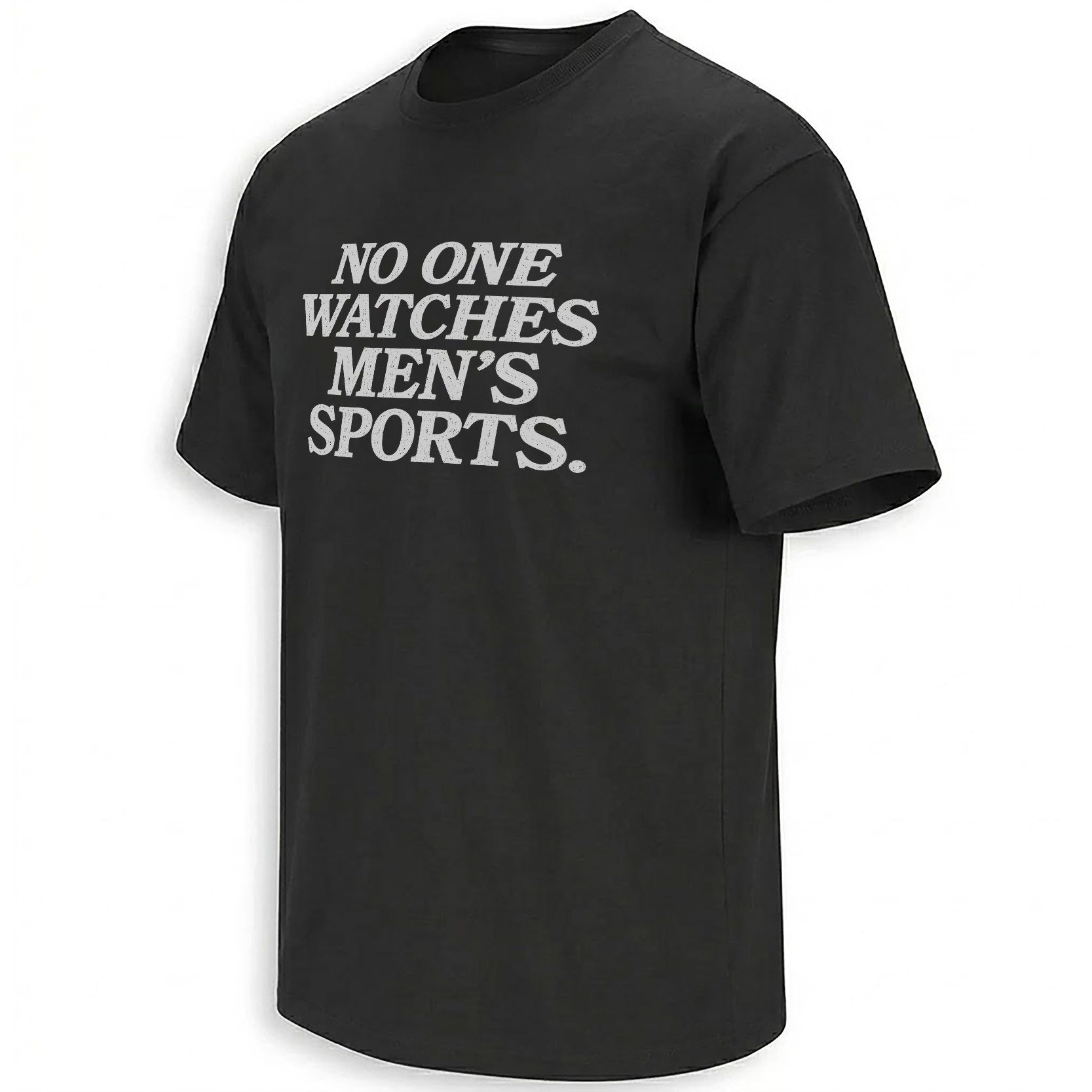
In the crowd, one phrase reversed a familiar insult: “No One Watches Men’s Sports.” The joke borrowed the dismissive language often aimed at women’s leagues and redirected it toward the sports establishment that normally assumes men’s competition is the default.
The shirt was funny because everyone understood the original sentence it was reversing—and because a sold-out first game had already challenged that sentence.
A First Game Built for a New Baseball Audience
The WPBL launched with teams representing Los Angeles, New York, Boston and San Francisco. All first-season games are being played at Robin Roberts Stadium in Springfield, Illinois, giving the league one central venue while it establishes players, rivalries and broadcast habits.
Its roster includes athletes with international experience and names familiar beyond women’s baseball circles. Kelsie Whitmore entered the season as a two-way player and first overall draft selection. Mo’ne Davis returned to a national baseball stage after becoming one of the most recognized youth players of her generation. Japanese star Ayami Sato brought a résumé shaped by international competition.
ESPN’s streaming agreement also gave the season a reliable place to be seen. Visibility has historically been one of the central obstacles for women’s sports: critics cite low audience numbers while leagues struggle to receive consistent broadcast windows capable of building those audiences.

Why the Slogan Works as a Reversal
“No one watches women’s sports” has been repeated so often that it operates like a cultural reflex. It appears whenever a women’s league announces a television deal, seeks investment or asks for coverage comparable to men’s competition.
The WPBL fan shirt changes only one word. That small adjustment makes the slogan absurd, but it also exposes the original assumption. Men’s sports do not normally have to prove that they deserve to exist before receiving coverage. Their visibility is treated as natural, while women’s leagues are asked to demonstrate demand before they are given the tools required to build it.
The joke therefore carries two tones at once. It is a playful fan statement designed to photograph well in a ballpark, but it is also an argument about attention. Audiences do not simply appear. They are built through schedules, access, storytelling, recognizable athletes and repeated opportunities to care.
Bold condensed lettering gives the phrase the confidence of a stadium declaration. The straightforward black-and-white treatment keeps the reversal readable from a distance, allowing one changed word to carry the entire joke.
Women’s Baseball Has a Longer History Than the League’s First Season
The All-American Girls Professional Baseball League created one of the best-known organized chapters in women’s professional baseball.
The Colorado Silver Bullets and Ladies Professional Baseball League offered later professional opportunities, although neither developed lasting stability.
The Women’s Baseball World Cup and national-team programs helped sustain elite competition while the United States lacked a durable domestic league.
The new league combines professional rosters, team identities, streaming distribution and a scheduled championship structure.
The phrase “new era” is accurate, but it should not erase the women who played earlier versions of professional baseball. The WPBL enters a history that includes wartime leagues, barnstorming teams, international tournaments and generations of players who often had to move toward softball because baseball pathways disappeared.
What changed in 2026 was the construction of a visible professional platform. The league did not need to prove that women could play baseball. That question had been answered repeatedly. It needed to create a place where the best players could be watched consistently.

How the Fan Shirt Became an Opening-Day Artifact
The shirt belongs to the category of fan graphics that preserve mood rather than statistics. It does not list the league’s four teams, explain the playoff structure or identify a single player. It records the attitude surrounding the beginning.
That attitude was defiant but not defensive. Instead of asking viewers to support women’s baseball out of obligation, the phrase assumes the audience has already arrived and jokes that men’s sports may now be the overlooked alternative.
The Real Test Begins After Opening Weekend
A sold-out debut provides momentum, not permanence. The WPBL must now develop team loyalties, introduce players, maintain broadcast accessibility and create reasons for viewers to return after the historic first pitch becomes an ordinary game on the schedule.
That ordinary rhythm is ultimately the goal. Women’s professional baseball will become established when games can be discussed through pitching matchups, standings, rivalries and player performances without every broadcast having to explain why the league matters.
Until a dedicated WPBL collection is established, the Newest collection serves as the broader visual archive for the fan slogans and immediate cultural reactions emerging from the league’s inaugural season.
Frequently Asked Questions
When did the WPBL play its first game?
The Women’s Pro Baseball League opened its inaugural season on August 1, 2026, at Robin Roberts Stadium in Springfield, Illinois.
Who won the first WPBL game?
The Los Angeles Queens defeated the New York Heights 10–8 after overcoming an early four-run deficit.
What does “No One Watches Men’s Sports” mean?
It reverses the familiar claim that audiences do not watch women’s sports, turning a dismissive phrase into a confident and humorous fan statement.
How many teams are in the WPBL’s inaugural season?
The first season includes the Los Angeles Queens, New York Heights, Boston Hunters and San Francisco Firebells.
Why is the WPBL historically significant?
It creates the first new U.S. professional women’s baseball league in nearly three decades and continues a history connected to the AAGPBL and later professional projects.
The No One Watches Men’s Sports design captures the confident fan language surrounding WPBL Opening Day and the beginning of a new professional baseball culture.
No One Watches Men’s Sports Shirt captures the viral fan energy of WPBL Opening Day, reversing a familiar women’s-sports insult as professional women’s baseball begins its inaugural 2026 season.