Fifteen Years Later, Cyberbully Still Cannot Get the Cap Off
A 2011 television drama returned to the timeline through one unforgettable line—and a generation that never truly logged off.
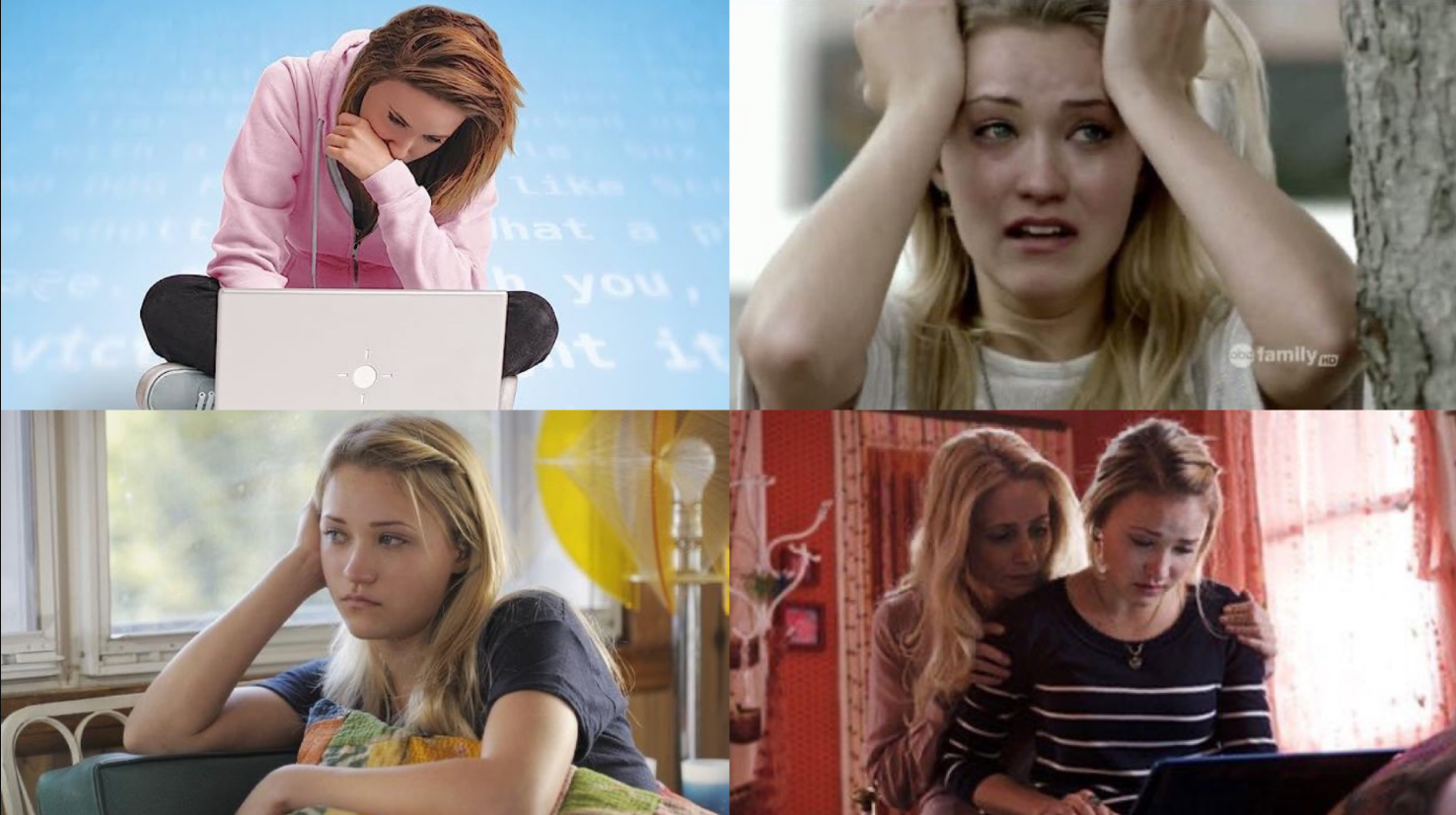
The internet loves an anniversary, but it loves a perfectly reusable line even more. As the fifteenth anniversary of the television movie Cyberbully approached in July 2026, social timelines began filling with the same all-caps response: “I CAN’T GET THE CAP OFF.” For longtime internet users, no additional explanation was necessary.
The phrase comes from one of the movie’s most emotionally intense sequences. Removed from that original context, however, the delivery became an enduring reaction meme: an exaggerated answer for stuck bottles, stubborn packaging, minor inconveniences and moments when an ordinary task suddenly feels like the final obstacle in an already impossible day.
Cyberbully officially premiered on ABC Family on July 17, 2011. Fifteen years later, the movie is being remembered not only as a teen drama, but as a surviving artifact from a very different era of social media.
Before every bad moment became content
Released when Facebook walls, anonymous profiles and family laptops still shaped teenage online life, Cyberbully attempted to dramatize the damage that digital harassment could cause. Its fictional social network now looks unmistakably early-2010s, yet its central concern has not become obsolete.
Cyberbullying still includes posting, sending or sharing harmful, humiliating or false material through digital platforms. The devices and interfaces have evolved, but anonymity, public embarrassment and the speed of online judgment remain familiar.
That tension is part of what makes the film such a potent internet time capsule. It belongs to a moment when adults were still trying to understand how dramatically social life was moving onto screens. The movie often feels dated in its presentation, but not necessarily in the anxiety beneath it.
I can’t get the cap off.The line that escaped the movie and entered internet history
Why one line outlived the rest of the movie
A durable reaction meme must work even when separated from its source. “I can’t get the cap off” succeeds because the sentence is simple, instantly understandable and dramatically disproportionate to the everyday situations in which people now use it.
- It can caption almost any struggle involving packaging, bottles or jars.
- Its all-caps delivery communicates panic before the reader even recalls the film.
- It functions as a shared reference among people who grew up with early-2010s television and Tumblr-era humor.
- It can be posted beneath an anniversary image without requiring a lengthy setup or explanation.
That final point matters. The current wave is less like a newly invented joke and more like a mass recognition ritual. One account posts the movie. Hundreds of people answer with the same sentence. The repetition is the joke—and recognizing why everyone is repeating it is the reward.
The strange afterlife of serious television
Internet culture frequently separates a scene from the purpose its creators originally intended. A dramatic pause becomes a GIF. A single facial expression becomes a universal reaction image. A line written for a painful scene becomes shorthand for an absurdly ordinary inconvenience.
That transformation does not mean the original subject should be treated carelessly. The scene behind this particular quote involves a crisis and attempted self-harm. Its continued use as a meme works best when the joke points toward frustrating objects and daily mishaps—not toward the suffering depicted in the story.
Why the fifteenth anniversary brought it back
Anniversaries give social media a reason to reopen a collective archive. A promotional still or a “released 15 years ago today” post can restore an entire network of memories: where viewers watched the movie, which scenes circulated on Tumblr, which quotations became inside jokes and how much older the internet now feels.
The people who first encountered Cyberbully as teenagers are now adults revisiting the movie with two perspectives at once. They can recognize the seriousness of its message while also recognizing the melodramatic television language that made particular moments so easy for the internet to remix.
That combination—earnest source material, instant recognition and a highly reusable sentence—is exactly what allows a fifteen-year-old television moment to compete with brand-new memes on a modern timeline.
More than nostalgia for a movie
The return of “I can’t get the cap off” is part of a broader appetite for early internet culture. People are not only revisiting individual films. They are revisiting the visual language of old laptops, awkward fictional social networks, message boards, low-resolution screenshots and jokes that once moved between television, Tumblr, YouTube and Twitter.
In that environment, a meme is more than a punchline. It is a timestamp. Posting it says, “I remember this,” while understanding it says, “I was there too.”
For people whose sense of humor was permanently altered by the timeline
Joe Rogan Podcast Shirt — Sonic & Shadow Kiss
A surreal podcast-screen moment transformed into the kind of impossible crossover image that only internet culture could normalize.
View the shirt New Meme ArrivalJoe Rogan Podcast Shirt — Spamton & Tenna Kiss
Gaming fandom, podcast imagery and absurd meme logic collide in a design made for collectors of deeply online cultural artifacts.
View the shirtCyberbully Meme FAQ
When was the movie Cyberbully released?
Cyberbully premiered on ABC Family in the United States on July 17, 2011.
Where does “I Can’t Get the Cap Off” come from?
The line is spoken by Taylor during an emotionally intense scene in the 2011 television movie Cyberbully. The delivery later became widely reused as an internet reaction meme.
Why is the Cyberbully quote trending again?
Social posts marking the movie’s fifteenth anniversary prompted viewers to revisit its most recognizable scenes. Users then repeated the famous line in replies and standalone posts as a shared nostalgia-driven joke.
What does the meme mean when people use it now?
It is commonly used as an exaggerated reaction to a small but frustrating problem, especially a bottle, jar or package that refuses to open.
Is the original scene serious?
Yes. The original sequence involves a mental-health crisis and attempted self-harm. Modern meme usage generally removes the quote from that context and applies it to harmless daily inconveniences.