Hill Yeah: How Derek Hill Became a Philadelphia Folk Hero on the Final Strike
Derek Hill arrived in Philadelphia as outfield depth. Less than two weeks later, he hit a pinch-hit homer with two outs, two strikes and the Phillies one strike from defeat—then added another homer the next night and robbed Juan Soto one day later.
The Phillies were down 4–3 in the ninth inning at Nationals Park. Two outs had been recorded. The count reached two strikes. Washington needed one more pitch to end the game.
Derek Hill, pinch-hitting against left-hander Richard Lovelady, drove the ball toward the opposite field. It cleared the tall wall in right, scored two runs and transformed Philadelphia’s final strike into a 5–4 lead.
It was Hill’s first home run as a Phillie. It was also the second consecutive night Philadelphia had produced a stunning ninth-inning comeback against Washington. A newcomer acquired earlier in June had become the central image of the series.
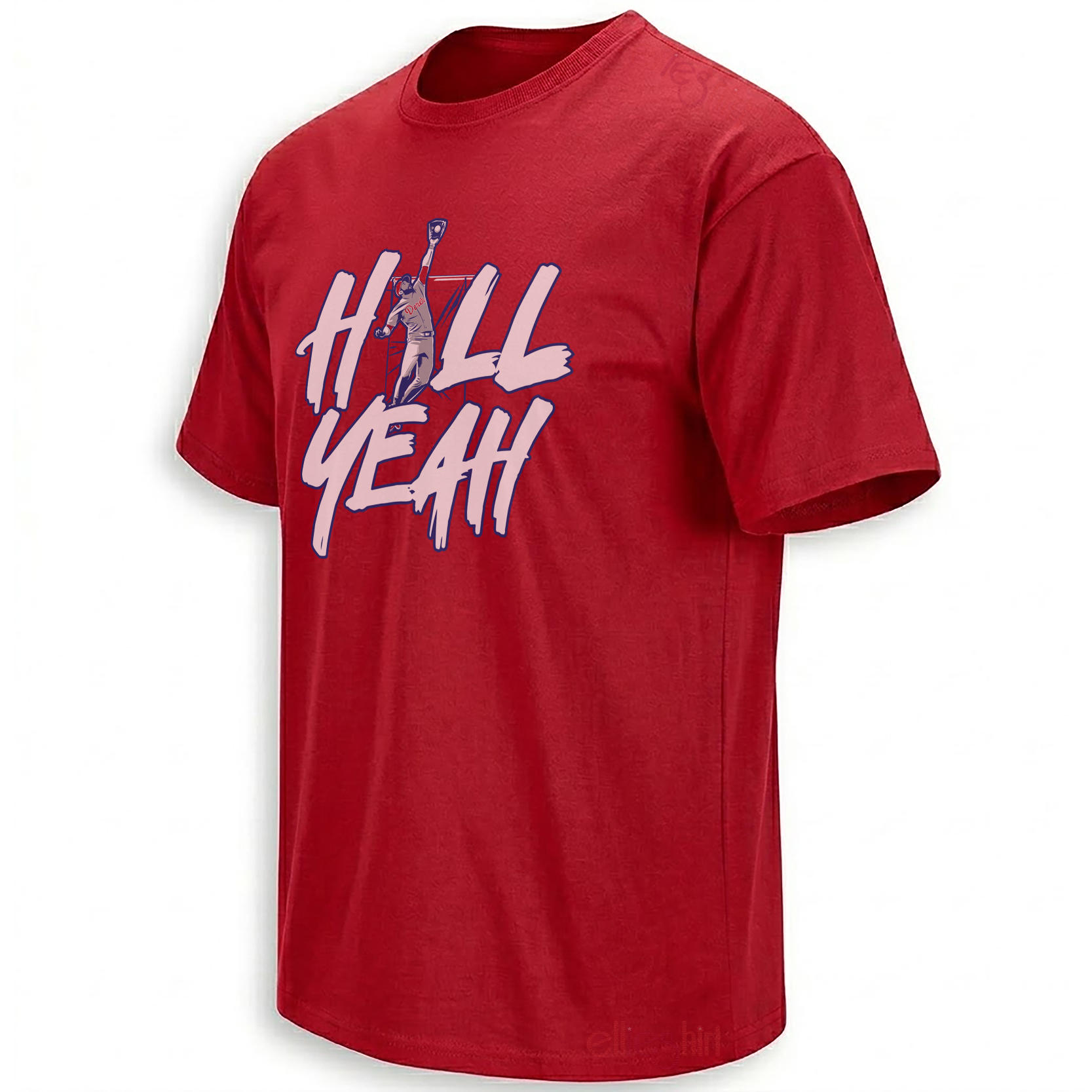
“Hill Yeah” works because the phrase contains the same release as the home run: disbelief becoming celebration before the ball has finished landing.
Philadelphia Acquired a Role Player and Found a Moment
Hill joined the Phillies after a trade with the Chicago White Sox, entering a roster that needed outfield depth after an injury to Johan Rojas. His initial role was practical: provide speed, defense and a right-handed option.
Those assignments rarely generate instant mythology. Bench players may spend weeks waiting for a matchup capable of changing how supporters see them.
Hill required one swing. Because it arrived with the game reduced to its final strike, every detail became memorable: the pinch-hit decision, the left-handed reliever, the opposite-field flight and the brief delay before the visitors’ dugout understood the ball had cleared the wall.
The Next Night Proved It Was Not a One-Scene Story
Philadelphia returned to the ninth inning one night later after erasing a five-run deficit. Bryce Harper broke a 5–5 tie with a two-run home run. J.T. Realmuto followed with an RBI double.
Hill then homered again, driving in two more runs and giving Philadelphia a 10–5 lead. The shot made him part of another historic detail: the Phillies had now hit a go-ahead ninth-inning homer in three consecutive games, something no MLB club had previously done.
Pinch-hit, two-run, opposite-field homer with two outs and two strikes in the ninth.
Another two-run ninth-inning homer during Philadelphia’s five-run closing rally.
A leaping catch at the center-field wall took a potential two-run homer away from Juan Soto.
The Artwork Preserves the Instant Philadelphia Accepted Him
“Hill Yeah” is simple fan language. It requires no explanation once the name and moment are known. The phrase combines Hill’s surname with the instinctive reaction produced by a final-strike home run.
The design centers the player rather than the full comeback streak because this particular memory belongs to the newcomer. Harper had already accumulated iconic Philadelphia moments. Hill was creating his first.
The Opposite-Field Direction Made the Homer More Unlikely
Nationals Park’s right-field wall is not the easiest place for a right-handed pinch hitter to clear, particularly against a left-handed reliever brought into the game specifically to control the matchup.
Hill did not pull a mistake into the shortest available path. He stayed through the pitch and drove it toward the opposite field. The trajectory gave the play a suspenseful quality: enough carry to create hope, enough height to make the wall relevant and enough distance to reverse the game.
Then Defense Added Another Layer
The day after leaving Washington, Hill started in center field against the Mets and produced one of the most spectacular defensive plays of Philadelphia’s season.
Juan Soto drove a ball toward the wall that appeared headed for a two-run home run. Hill tracked it, timed his jump and reached above the fence to bring the ball back.
In three days, he had shown three different forms of value: pinch-hit power, insurance power and elite outfield defense. “Hill Yeah” no longer described one lucky swing. It described the feeling surrounding a player whose opportunity had expanded almost instantly.
Why Unlikely Heroes Matter in a Veteran Clubhouse
Philadelphia’s lineup contains stars with established postseason identities. Harper, Kyle Schwarber, Trea Turner and J.T. Realmuto are expected to shape major games.
A long season becomes more dangerous when a team also receives decisive moments from players outside that central group. Opponents can prepare for the stars. They cannot easily plan for the newest reserve becoming the defining player of a series.
Hill’s emergence gave the Phillies more than one win. It supplied evidence that roster depth could carry emotional weight.
A Former National Returned as the Opponent
Hill’s game-winning homer also contained a small piece of baseball circularity. He had previously spent time in the Nationals organization. In June 2026, he returned to Washington wearing Philadelphia colors and delivered a result that deepened one of the Nationals’ most painful series.
Baseball careers move through waivers, trades, minor-league assignments and temporary roster openings. Hill’s path demonstrates how quickly a player can move from peripheral transaction to unavoidable headline.
The Moment Fits Philadelphia’s Favorite Type of Hero
Philadelphia supporters are drawn to stars, but they often reserve a special form of affection for players who arrive without ceremony and produce something unforgettable.
The relationship forms through surprise. Fans do not spend years waiting for the moment. The player appears, delivers and earns a place in local language before expectations have time to become complicated.
“Hill Yeah” belongs to that tradition. It is immediate, informal and rooted in one night when the entire game depended on a hitter many casual viewers were still learning to identify.
Frequently Asked Questions
What did Derek Hill do against the Washington Nationals?
Hill hit a pinch-hit, two-run homer in the ninth inning on June 24, giving Philadelphia a 5–4 lead and eventual victory.
How close were the Phillies to losing?
Philadelphia was down to its final strike with two outs and two strikes when Hill hit the go-ahead home run.
Was it Hill’s first Phillies home run?
Yes. The ninth-inning shot was his first home run after joining Philadelphia.
Did Derek Hill homer again?
Yes. He hit another two-run homer during Philadelphia’s five-run ninth inning the following night.
What defensive play did Hill make afterward?
On June 26, he leaped at the center-field wall to rob Juan Soto of a potential two-run homer against the Mets.
What does “Hill Yeah” represent?
It represents the instant fan reaction to Hill’s final-strike homer and his rapid transformation from a new reserve outfielder into a Phillies folk hero.
The Hill Yeah design preserves Derek Hill’s first Phillies homer, the final-strike situation and the week a newcomer became impossible to overlook.
Hill Yeah Shirt celebrates Derek Hill’s pinch-hit, two-run ninth-inning homer for the Philadelphia Phillies, delivered with two outs, two strikes and the team one pitch from defeat.