
OG Anunoby Game 4: The Tip-In That Turned Knicks Belief Into Finals History
In one closing sequence at Madison Square Garden, OG Anunoby became the player who blocked the collapse, finished the comeback, and gave New York a Finals image it could immediately turn into memory.
The internet did not need a long explanation after Game 4. It needed one freeze-frame, one replay angle, one impossible bounce, and one calm face that looked almost untouched by the noise around him. OG Anunoby had just authored the kind of Knicks moment that does not stay inside a box score for very long.
New York beat San Antonio 107–106 after falling behind by 29, completing a comeback widely framed as the largest in NBA Finals history. The final act came with 1.2 seconds left, after Jalen Brunson’s miss hung around the rim long enough for Anunoby to rise through traffic and tip the ball home. One possession earlier, he had also met De’Aaron Fox at the rim on the defensive end, producing the block/no-call sequence that would become its own viral argument after the buzzer.
That is why this was never simply “a game winner.” It was a full emotional arc in miniature: the Knicks buried, the Garden tense, the comeback becoming real, the Spurs trying to survive, Fox attacking, OG recovering, Brunson missing, OG appearing again, and New York suddenly standing one win from a title that fans have been measuring against 1973 for generations.
The play that made the Garden sound like belief
The final minute mattered because it gave the night a clean myth. Fox had the chance to force New York into desperation. Instead, the possession became a debate about contact, timing, verticality, and what a whistle should look like in the last seconds of a Finals game. Knicks fans saw a legal contest and a winning defensive recovery. Spurs fans saw a missed call. The Last Two Minute Report kept the no-call from becoming the official story, but the image had already spread because it looked like the hinge of the night.
Then came the other end. Brunson, the obvious center of New York’s offense, took the shot everyone expected. The miss did not feel like the end because Anunoby was already entering the frame. That is the detail that gives the play its lasting power: OG did not appear as a miracle extra. He appeared as the player who understood the geometry of the rebound before the rest of the arena did.
The ball left his hand and the Garden moved from fear to disbelief. The comeback no longer needed a slogan. It had an image.
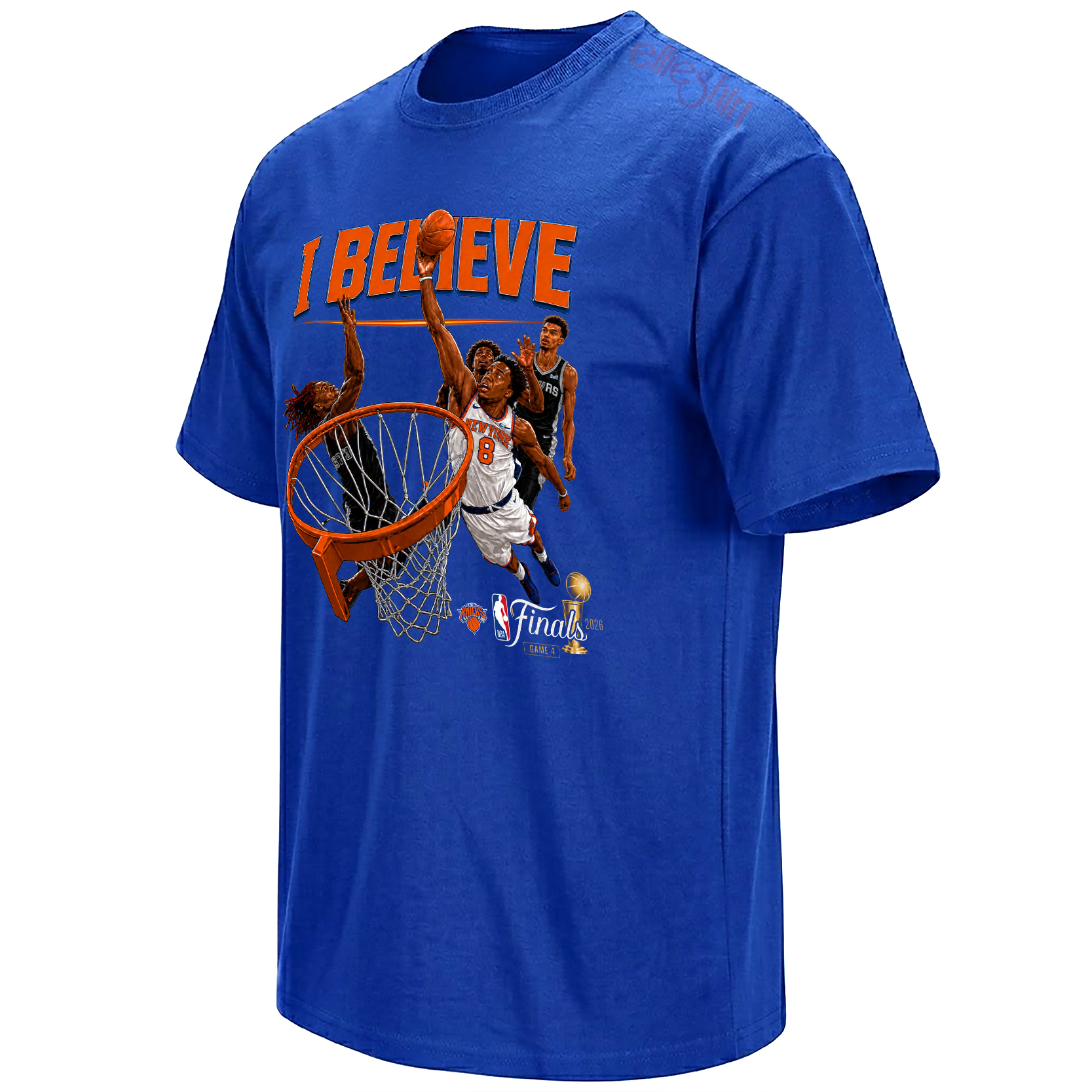
Why OG became the perfect New York hero for this moment
Anunoby’s internet appeal is unusual because he does not chase the emotional center of a moment. He often becomes the center by refusing to perform like he knows he is there. That contrast made Game 4 even stronger. The play was loud, the building was loud, the discourse was loud, and OG’s public energy stayed almost unnervingly calm.
That is why the “I’m excited, too” language fits the night. It is not a normal hype phrase. It is the deadpan response of a player whose biggest contribution may be how little the moment seems to distort him. In a city that can turn every possession into theater, OG became the quietest possible Finals protagonist.
New York usually canonizes volume: roar, argument, subway chant, headline, tabloid back page, street-corner debate. Game 4 gave the city something stranger — a player who created the loudest basketball memory of the week while looking like he had simply completed a task.
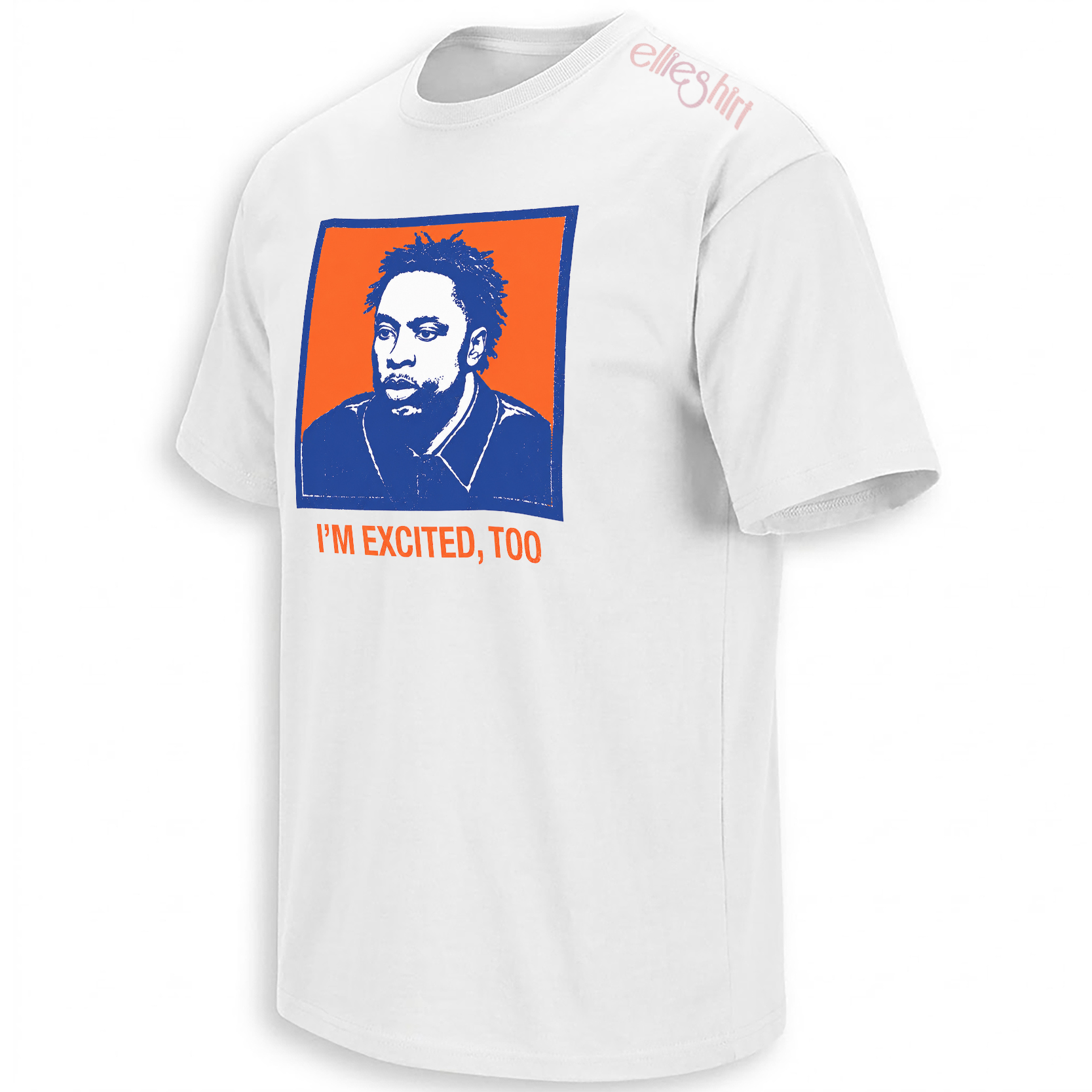
A deadpan Knicks meme piece built around OG’s calm public aura after a chaotic Finals ending.
Open the design →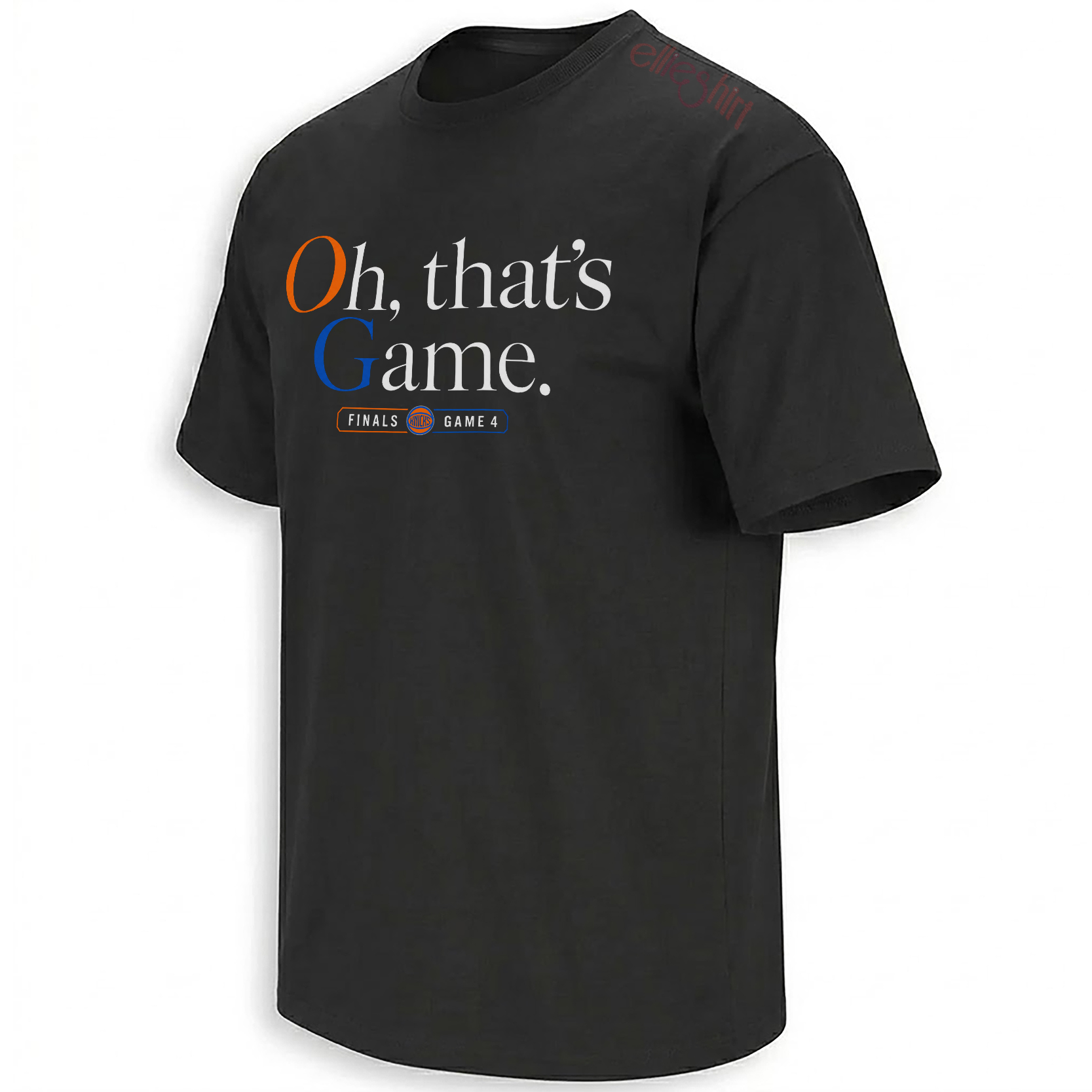
A minimal quote graphic that treats the final tip-in like a quiet sentence after a loud night.
View the Finals piece →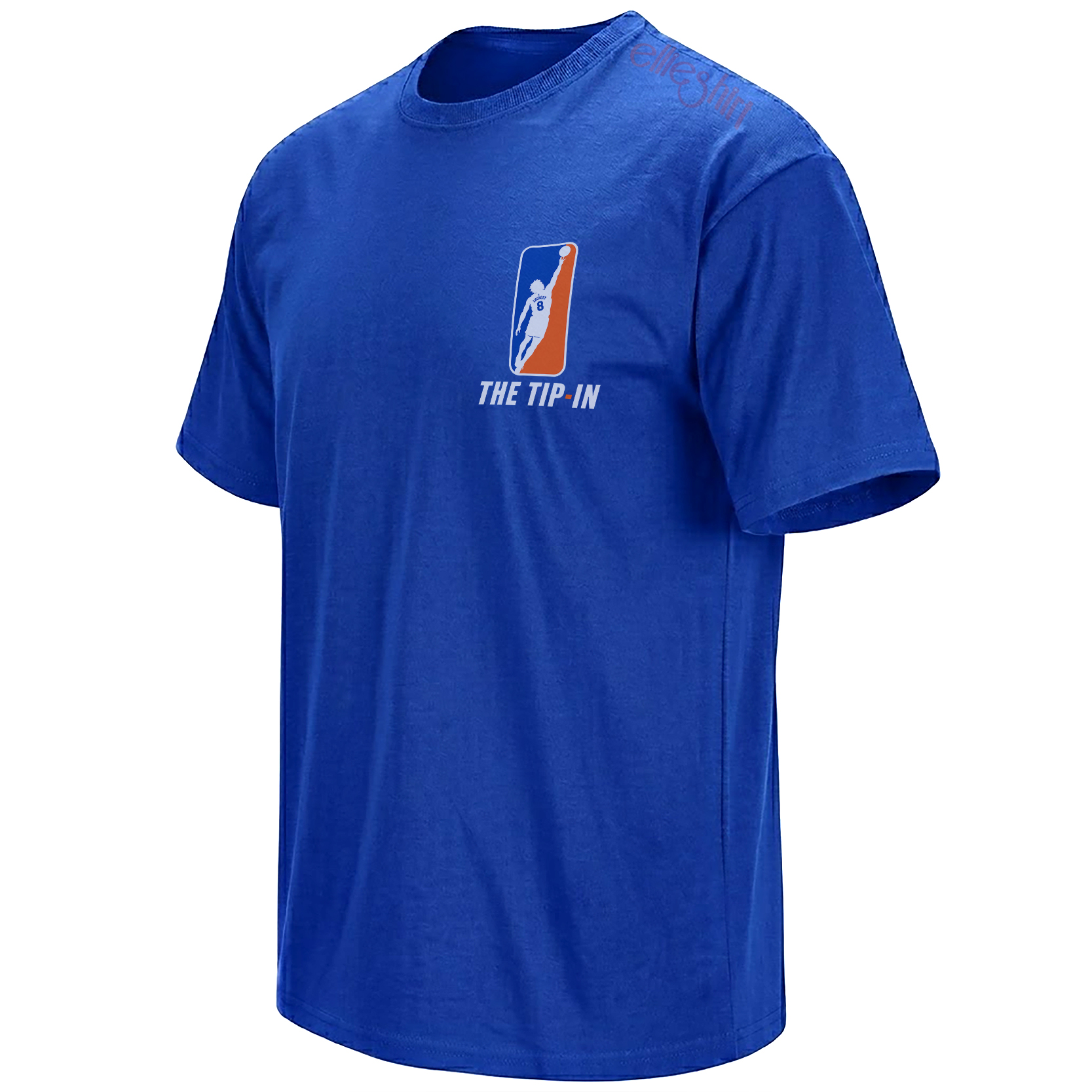
A small chest-mark approach that reduces the Game 4 memory to a clean visual symbol.
See the graphic →The controversy did not weaken the moment — it made the image travel faster
Every legendary Finals ending gets argued over. That is part of how it survives. The Fox sequence gave rival fans a doorway into the conversation, while Knicks fans used the same clip as proof of Anunoby’s defensive timing. One side wanted a whistle. The other saw a block that protected the comeback before the tip-in finished it.
The important cultural detail is that the discourse did not replace OG’s moment. It expanded it. Instead of one highlight, fans had a full sequence to process: Fox attacking early, Anunoby contesting, the no-call surviving review conversation, Brunson taking the final shot, and OG crashing into the frame for the putback. That is exactly how a single play becomes internet-native — not by being simple, but by giving people several arguments to relive.
The broader NBA Shirts archive is built from these kinds of moments: disputed angles, sudden heroes, running jokes, playoff phrases, and designs that capture how fans actually talked after the game. For New York specifically, the New York Knicks Shirts collection now reads like a live visual diary of a Finals run that keeps turning screenshots into symbols.
From highlight to visual archive
The strongest OG graphics do not all tell the same story. Some turn the play into belief. Some turn it into a logo. Some turn it into a courtroom argument about contact. Some turn it into classical art because, by the morning after, the moment already felt like something fans wanted framed rather than merely replayed.
That range matters. A Game 4 memory this big does not have one visual language. It has several. The action tee is for the noise of the play. The quote tee is for OG’s calm. The logo mark is for fans who want the shorthand. The poster versions treat the tip-in as a painting, a sculpture, or a mythological battle scene — which is exactly how sports culture behaves when a single rebound starts to feel larger than the game itself.
A direct wordmark version of the play, built like a phrase Knicks fans can instantly read from across the room.
View the piece →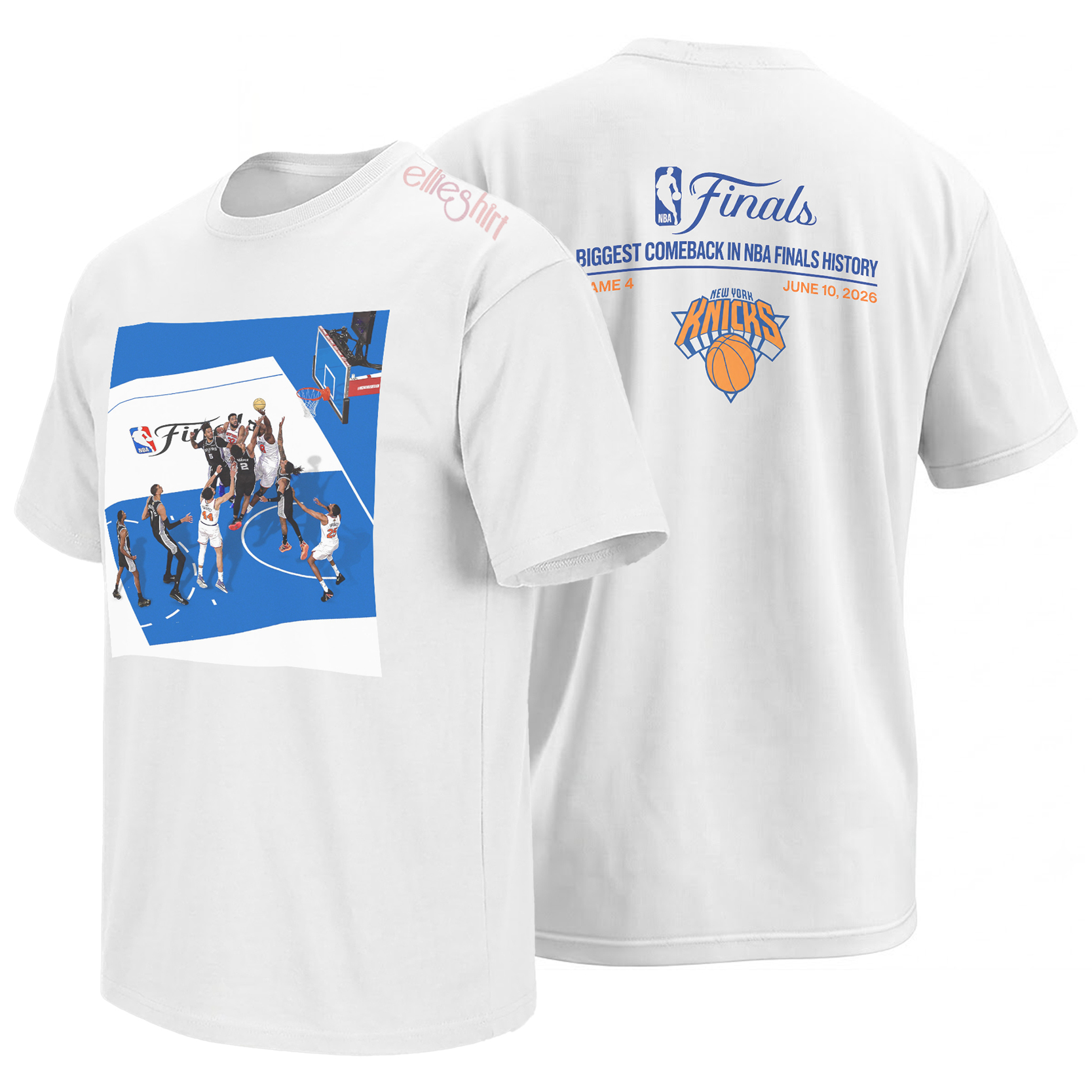
A two-sided memory card for the full 29-point climb, not only the last touch above the rim.
Open the design →
A New York civic-symbol treatment that turns Anunoby’s Game 4 role into city mythology.
Explore the visual →Why the Renaissance and Laocoön versions make sense
At first glance, turning a Finals tip-in into Renaissance-style wall art sounds exaggerated. But fan culture often reaches for old visual languages when a sports moment feels too large for normal highlight treatment. Paintings, statues, saint imagery, heroic poses, and museum-style framing all do the same job: they take a temporary event and make it feel permanent.
That is why the poster versions fit this particular OG moment. The play itself was physical chaos: arms, bodies, defenders, a loose rebound, a ball suspended near the rim, and one player rising into the exact space the game needed. In classical art terms, the scene already has the shape of struggle. In Knicks terms, it has the shape of release.
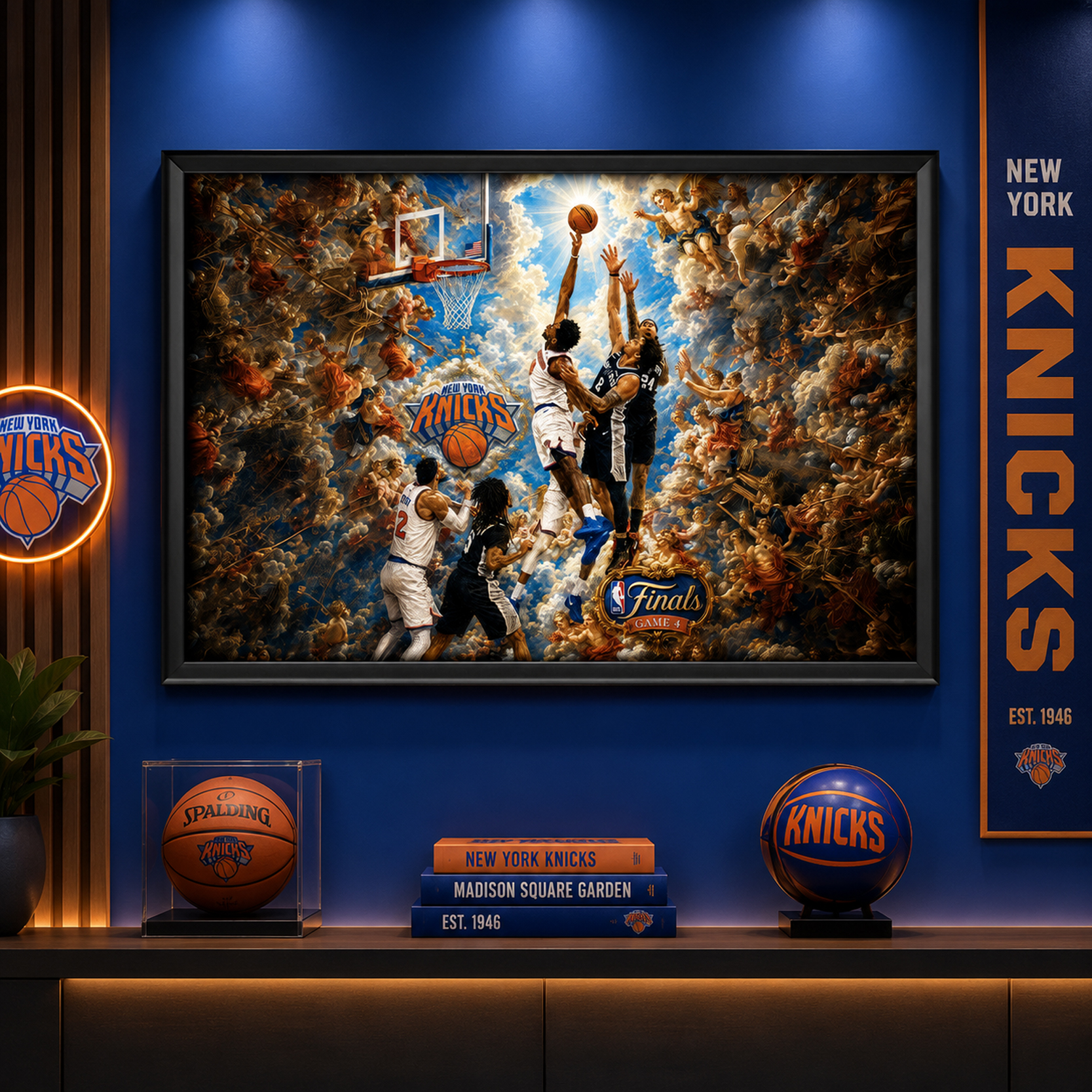
A Renaissance-style arena shrine for the night the rebound became a Knicks Finals painting.
View the poster →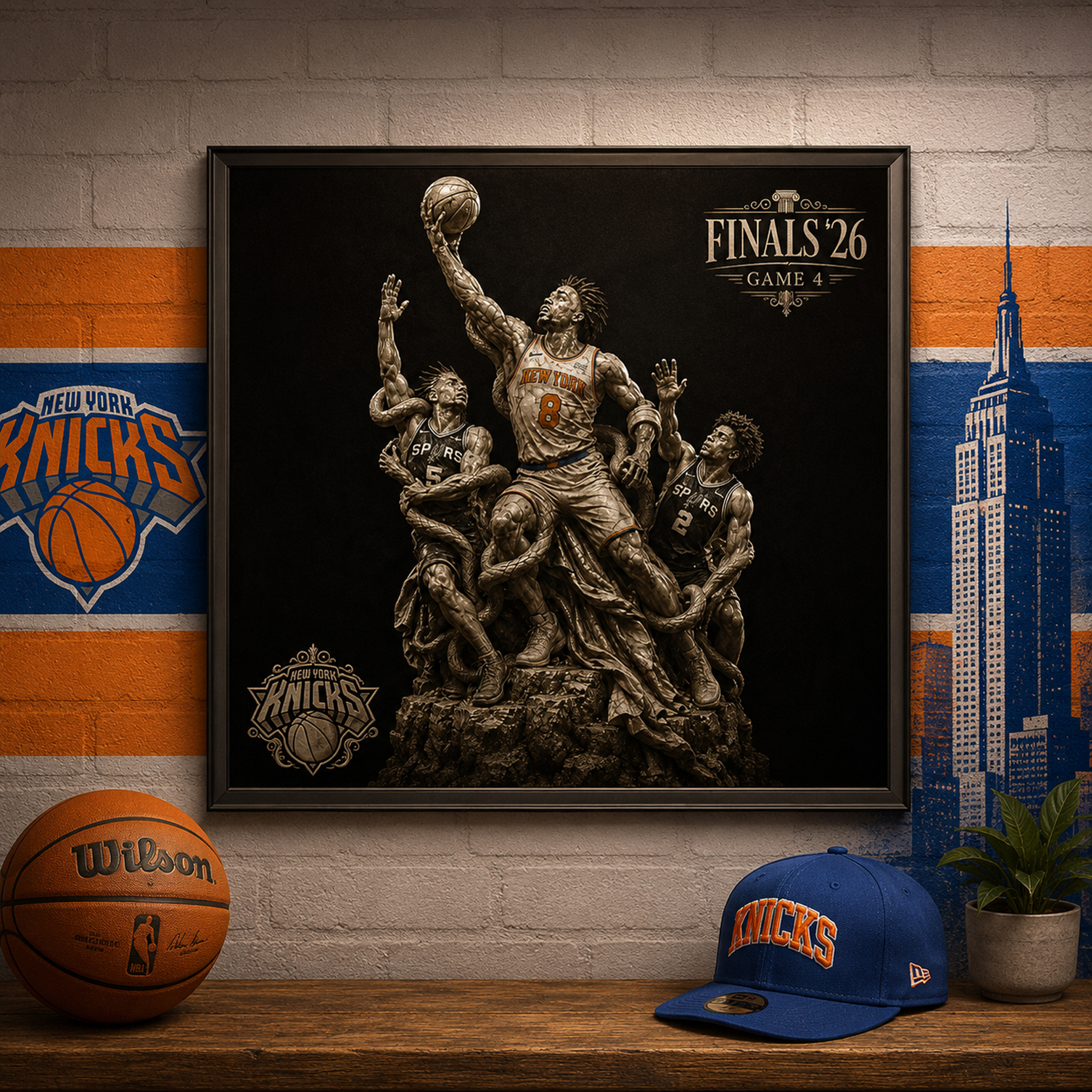
A sculpture-inspired version of Game 4, built around bodies, tension, and the final reach above the crowd.
Open the art piece →
The most direct belief-era version of the night, with OG framed as the player who made the impossible visible.
View the piece →New York did not just win a game — it gained a shared image
Knicks history is never only about what happened. It is about how long the city carries it afterward. The 1973 shadow, the 1999 nostalgia, the Garden’s mythology, and the hunger for a new championship language all made Game 4 feel heavier than a normal Finals swing. When a fanbase waits that long, a single basket can become a civic event.
That is the reason OG’s tip-in travels across formats so easily. It can be a comeback stat. It can be a debate about officiating. It can be a meme about his calm. It can be a mural, a logo, a tee, a poster, a back-page headline, or a clip replayed until the sound of the Garden becomes part of the memory. The play is flexible because the emotion underneath it is simple: New York was almost finished, and then it was not.
For fans following the full run, the surrounding New York Knicks Shirts archive helps map the shifting mood: belief pieces, Finals jokes, comeback graphics, Garden energy, and player-specific moments. The broader NBA Shirts collection gives the same treatment to the wider playoff conversation, where one night can turn into a phrase before the next morning’s headlines settle.
Game 4 belongs to OG because he gave New York two different kinds of certainty: the defensive stop fans could argue about, and the tip-in no one could take away.
FAQ: OG Anunoby, Game 4, and the Knicks Finals memory
Why did OG Anunoby’s Game 4 moment go viral?
It combined every element fans react to quickly: a historic comeback, a final-second tip-in, a controversial defensive sequence against De’Aaron Fox, Madison Square Garden noise, and a player whose calm personality made the ending feel even more surreal.
Why is the tip-in bigger than a normal game winner?
The tip-in completed a 29-point comeback in the NBA Finals and pushed New York to a 3–1 series lead. Because the Knicks are chasing a championship drought that reaches back to 1973, the play carried historical weight beyond the final score.
Why are fans connecting OG’s calm quote energy to the design language?
Anunoby’s public personality is unusually restrained for a player at the center of a massive Finals moment. That contrast makes phrases like “I’m excited, too” work as internet language: understated, dry, and very OG.
Why do the poster designs use classical or Renaissance-style art?
Fans often use museum-style or heroic visual language when a sports moment feels like it has already become history. The final tip-in had bodies, tension, vertical reach, and dramatic timing, which makes it natural for a classical-art interpretation.
How does this connect to the wider Knicks Finals story?
The moment connects 2026 Knicks belief, Madison Square Garden, 1973 championship longing, 1999 nostalgia, and modern internet discourse into one shared image. It is both a basketball play and a cultural timestamp for New York fans.
The best way to read these OG Anunoby pieces is not as separate products, but as a visual timeline of one Finals night: belief before the comeback, argument after the block, silence after the quote, and the tip-in that turned all of it into New York basketball memory.
OG Anunoby Game 4 collection captures the Knicks’ 107–106 Finals comeback through the block on De’Aaron Fox, the 1.2-second tip-in, Madison Square Garden belief, and the internet language that turned one rebound into New York basketball history.