Omaha 2026 Is Becoming a College Baseball Memory Map Before the First Pitch Even Lands
The 2026 Men’s College World Series field is not arriving as a clean hierarchy. It is arriving as a collection of first-timers, old brands, regional heartbreak, SEC tension, walk-off memory, and fan colors suddenly pointed toward the same baseball city.
Omaha always turns baseball teams into memory, but 2026 is doing it early. Before the full bracket has fully settled, the field already feels like a map of different fan emotions: debut joy, regional exhaustion, SEC rivalry wounds, comeback belief, and the strange suspense of teams standing one final inning away from changing how their season will be remembered.
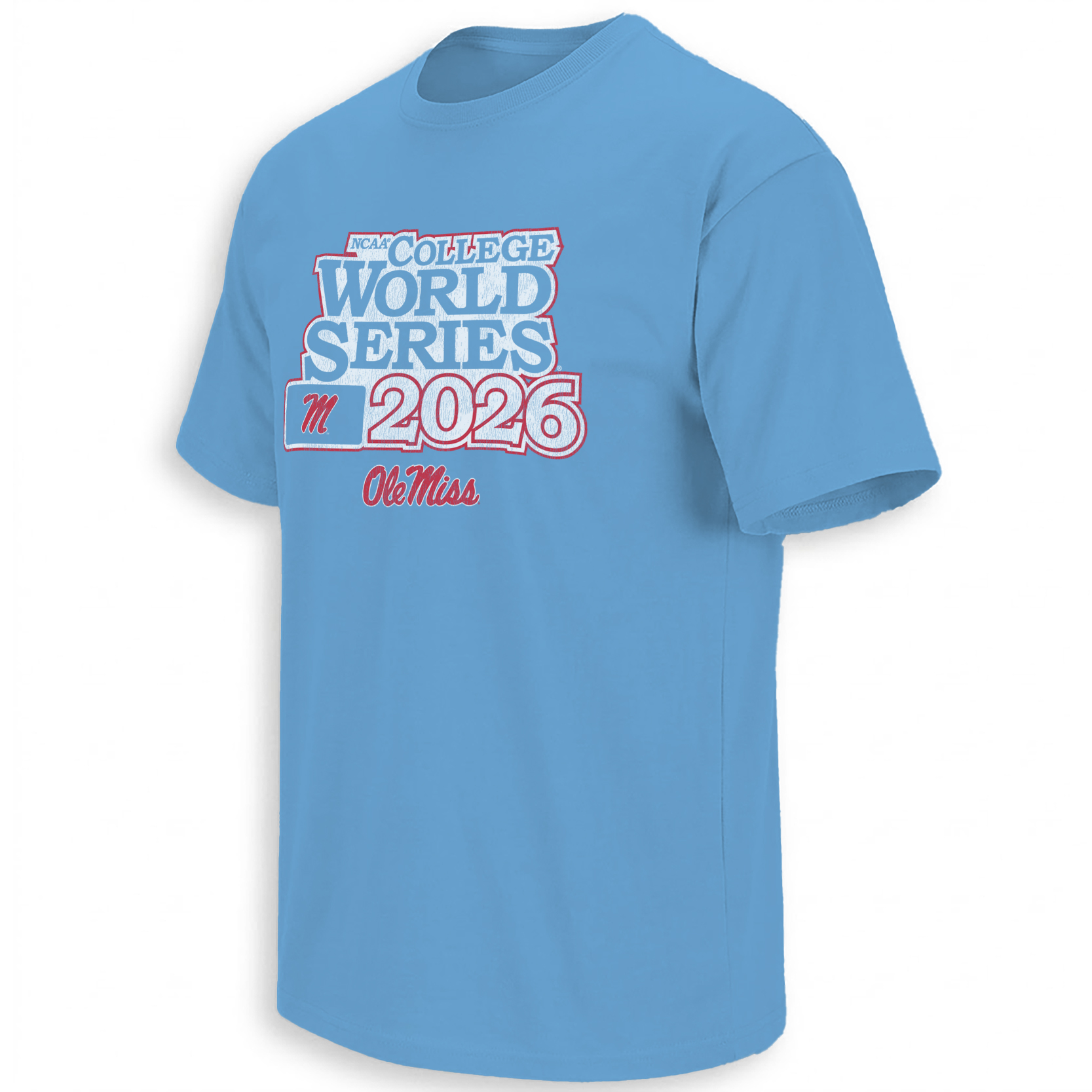
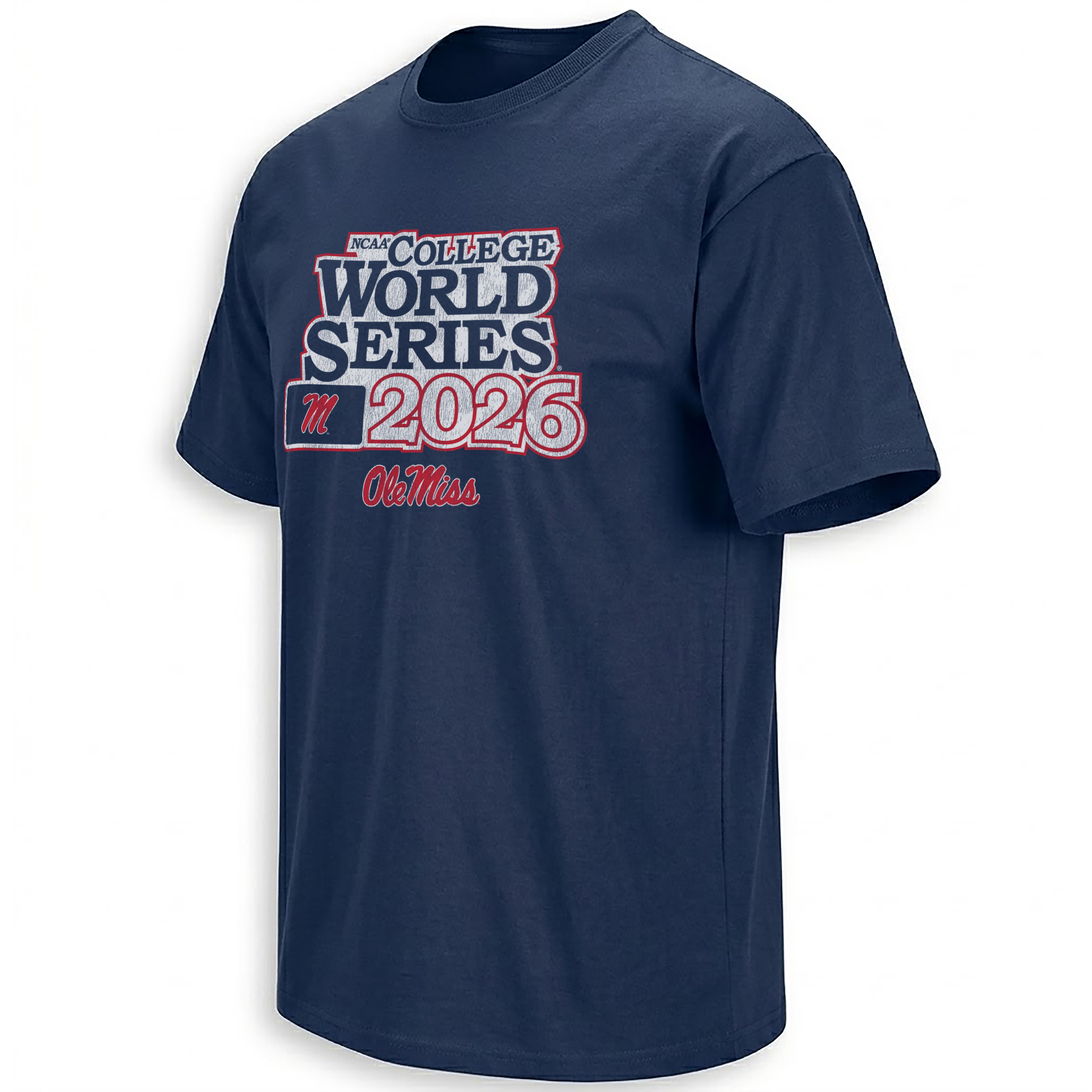
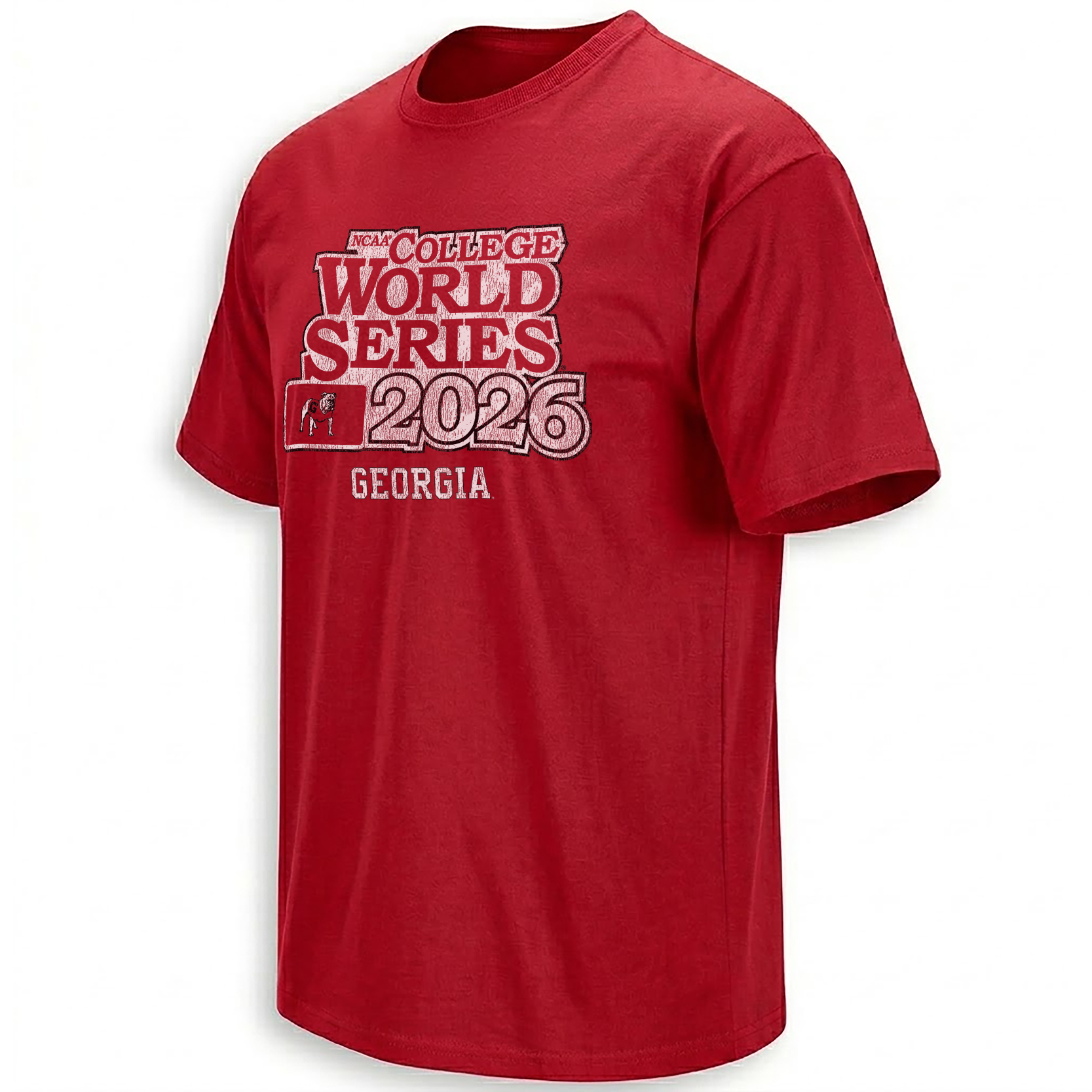
West Virginia and Troy make the year feel fresh because first trips to the Men’s College World Series change the emotional temperature of a fan base. Ole Miss brings the weight of a recent title and the drama of eliminating Auburn. Georgia brings extra-inning release after a long wait to return. North Carolina brings the language of comeback baseball. Alabama, still tied to a suspended-game edge as the conversation forms, brings the tension of almost-Omaha — that nervous space where a fan base can see the gate but has not fully walked through it yet.
That is why the 2026 Omaha graphics work best as a group. Each one is not simply a team-colored shirt. Together, they form a visual field guide to how college baseball fans experience June: in colors, cities, brackets, scars, and the word Omaha becoming a complete emotional sentence.
The First-Timer Energy Is Defining the Field
The most powerful early story is not about a dynasty. It is about new names entering the frame. West Virginia and Troy both punched through to Omaha for the first time, and that matters because first appearances do not behave like normal postseason achievements. They create a before-and-after line for the fan base.
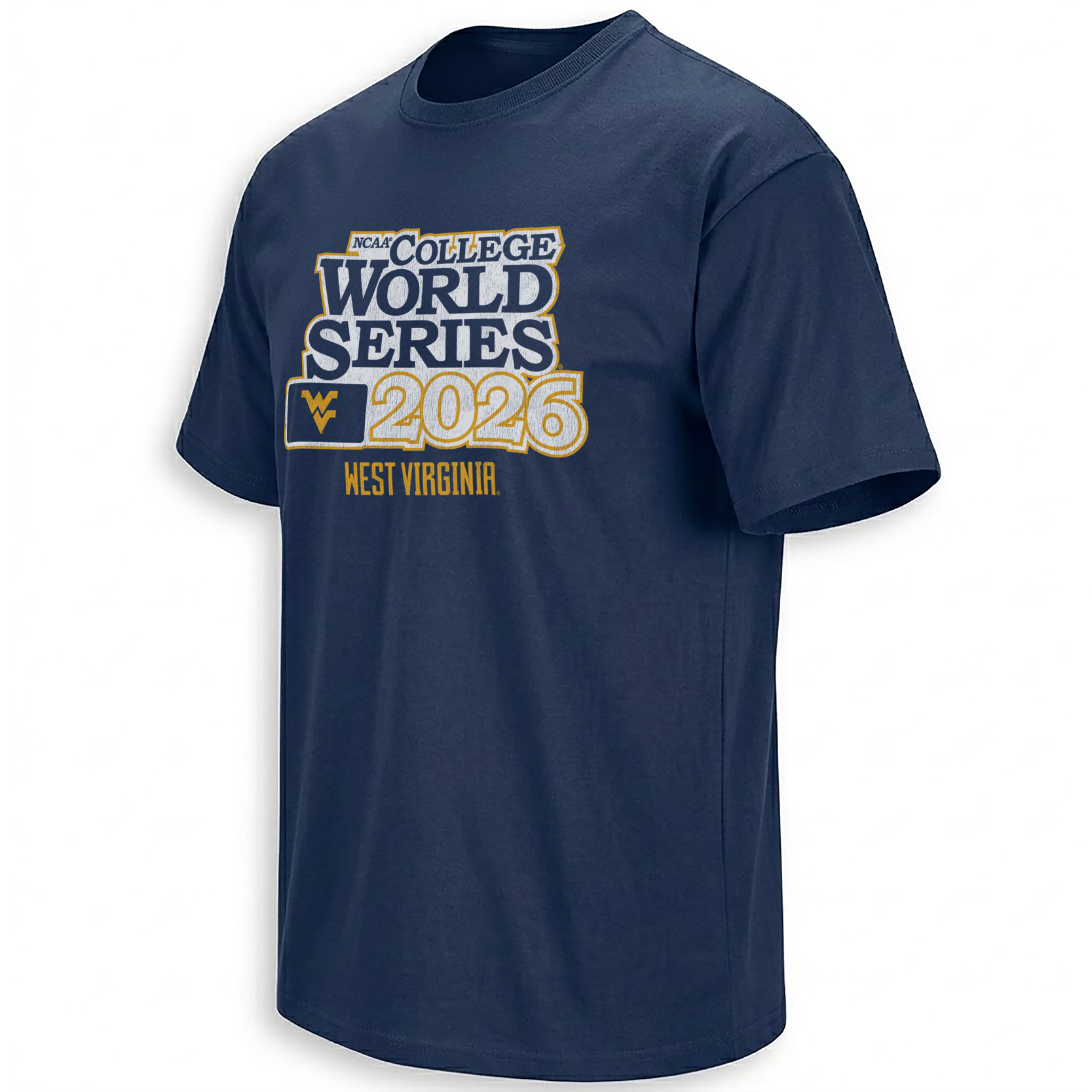
For West Virginia, the road included a huge offensive statement against Cal Poly and the emotional release of finally making the MCWS. For Troy, the story reads even more like tournament folklore: a team that was near the edge of the field became one of the first names into Omaha, turning the Trojans’ run into a proof-of-belief moment for a program and its fans.
Omaha 2026 Is Full of Different Kinds of Pressure
Not every team arrives with the same emotional baggage. Ole Miss carries recent championship memory, which means its return cannot be read as simple surprise. Georgia carries the feeling of release after surviving Mississippi State and returning to the MCWS stage for the first time since 2008. North Carolina arrives through late-inning nerve, the kind of path that gives a fan base one highlight it can replay before the next game even begins.
The field is also still shaped by suspense. Alabama’s suspended-game lead over St. John’s sits on the edge of the picture, a reminder that College World Series culture often forms before the bracket becomes completely still. Fans do not wait for official neatness before building graphics, arguments, and color-coded hope.
SEC Drama Gives the Archive Its Heat
Ole Miss and Georgia bring a different texture from the first-timer stories. Their routes feel heavier because they came through familiar Southern baseball pressure. Ole Miss reaching Omaha after taking down Auburn adds rivalry electricity to the field. Georgia’s extra-inning finish against Mississippi State gives the Bulldogs’ return a dramatic, almost cinematic edge.
That is what makes these graphics feel less like clean tournament markers and more like small pieces of regional memory. A College World Series design does not only say a team qualified. It hints at who was beaten, what inning changed the story, what road fans had to survive, and which old disappointments suddenly became background noise.
North Carolina and Alabama Show the Two Edges of June
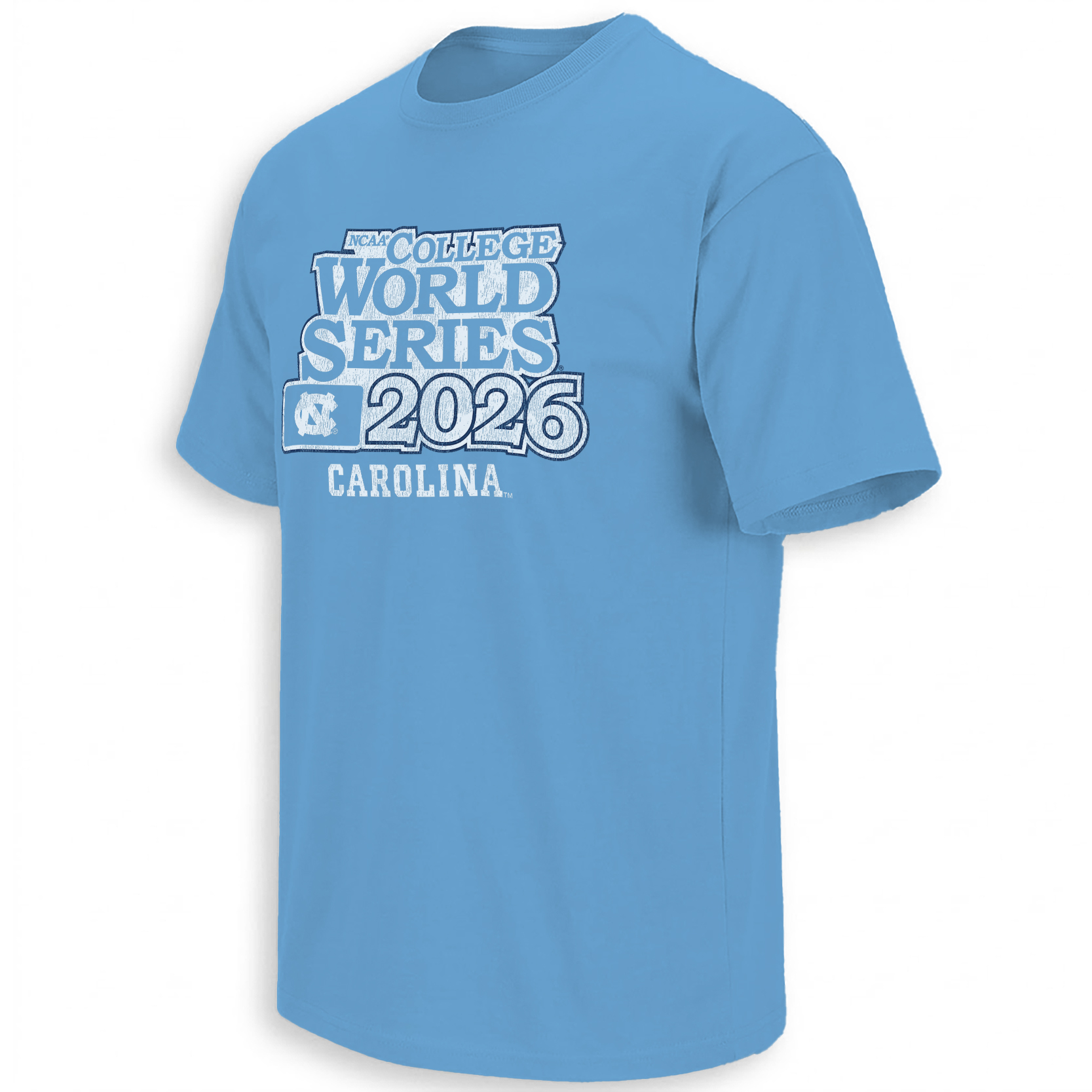
North Carolina’s path gives Omaha the feeling of a late-inning movie. A comeback against USC, a walk-off finish, and another return to the MCWS stage make the Tar Heels feel like one of the field’s cleaner emotional stories: a program with Omaha familiarity still capable of making the trip feel freshly dramatic.
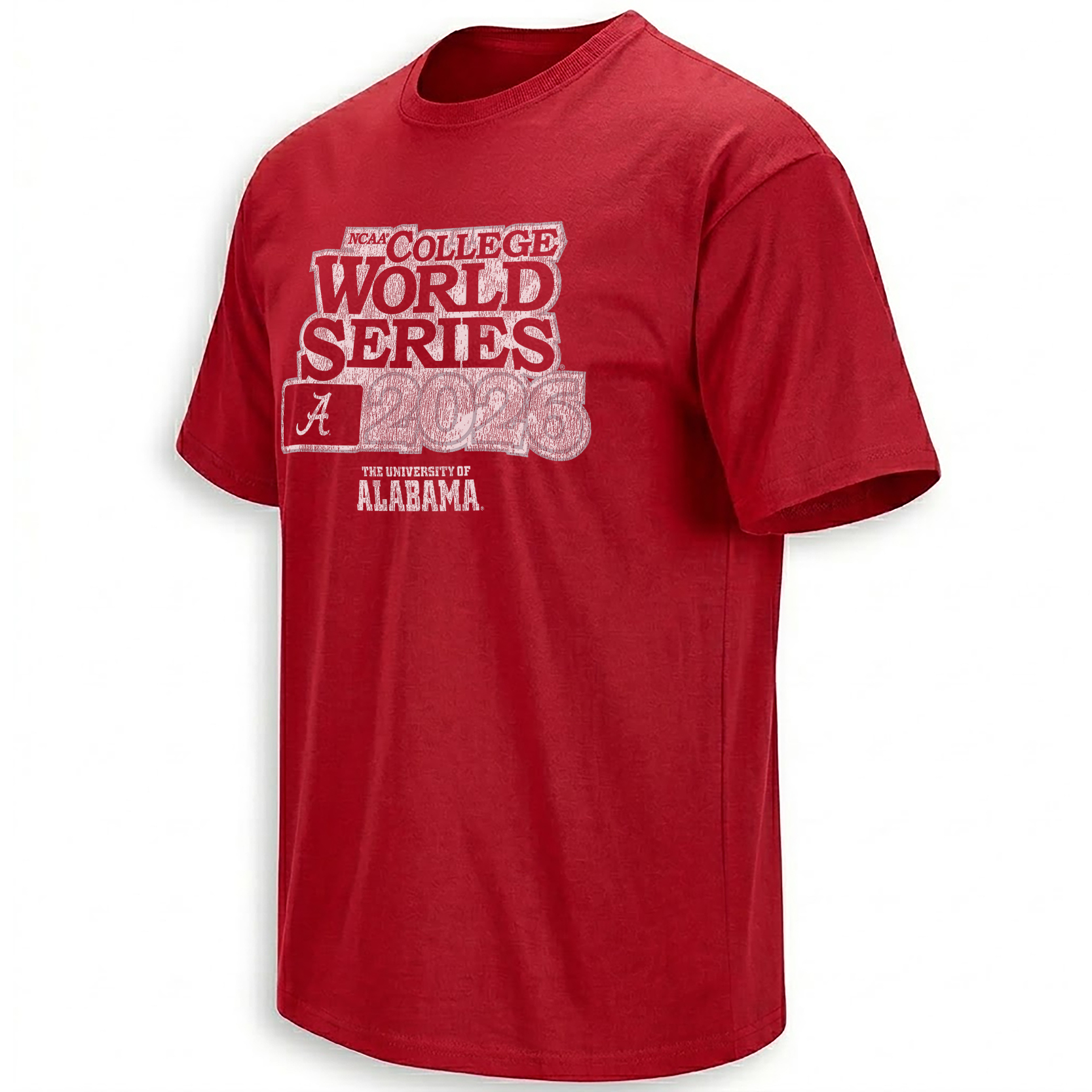
Alabama’s situation is different, and that difference matters. With the Crimson Tide leading St. John’s in a weather-suspended game, the emotional frame is not full arrival yet. It is anticipation. The Alabama graphic sits in the unresolved part of the archive — the space where fans are already imagining Omaha, but the last outs still have to be recorded.
Design Language: City Name, Team Color, and the Ritual of “Omaha”
The strongest part of these designs is how direct they are. College baseball does not need overcomplicated visual language when the word “Omaha” is involved. The city name already carries weight. It means the season survived regionals, super regionals, pitching depth, rain delays, dugout nerves, and the long emotional climb from February baseball to June baseball.
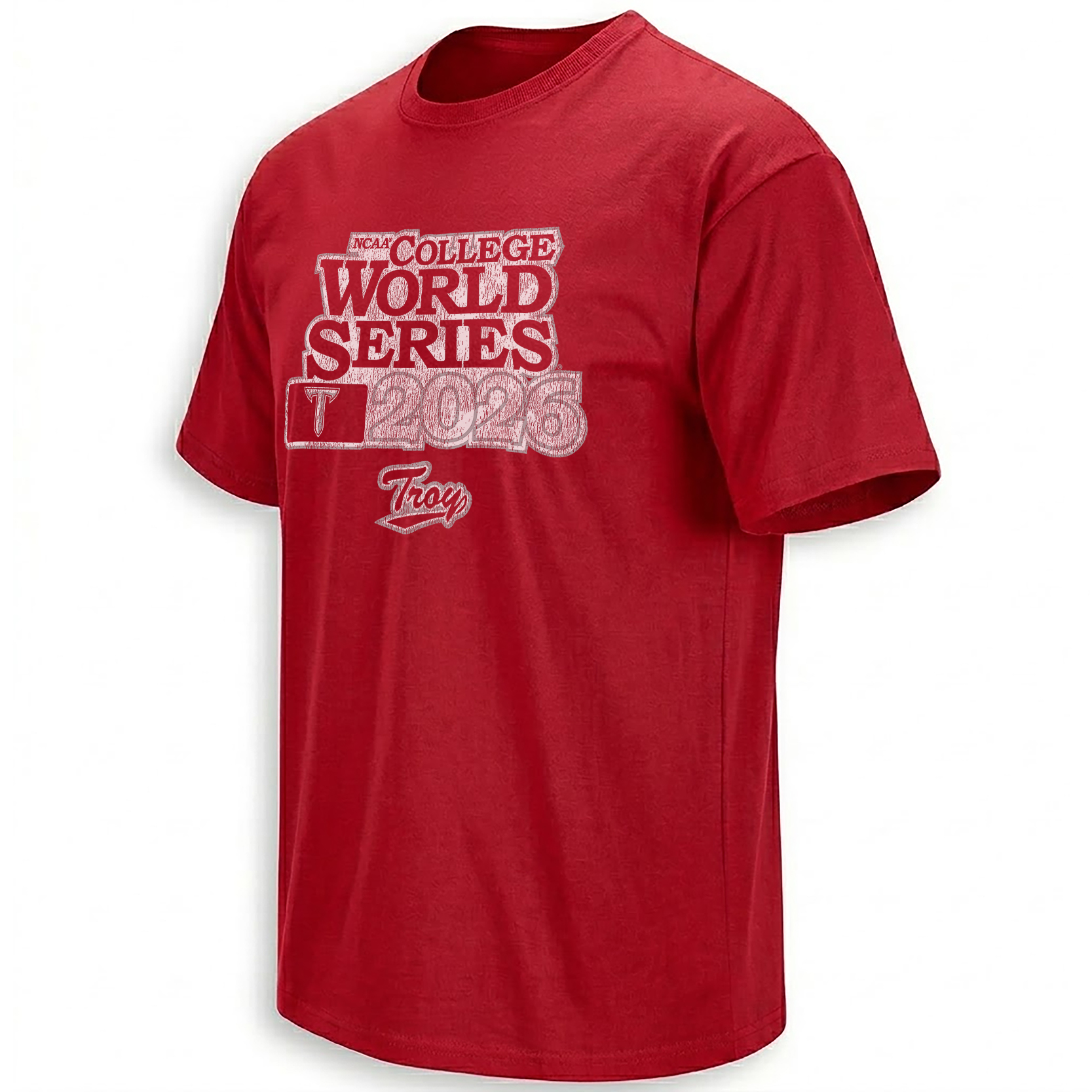
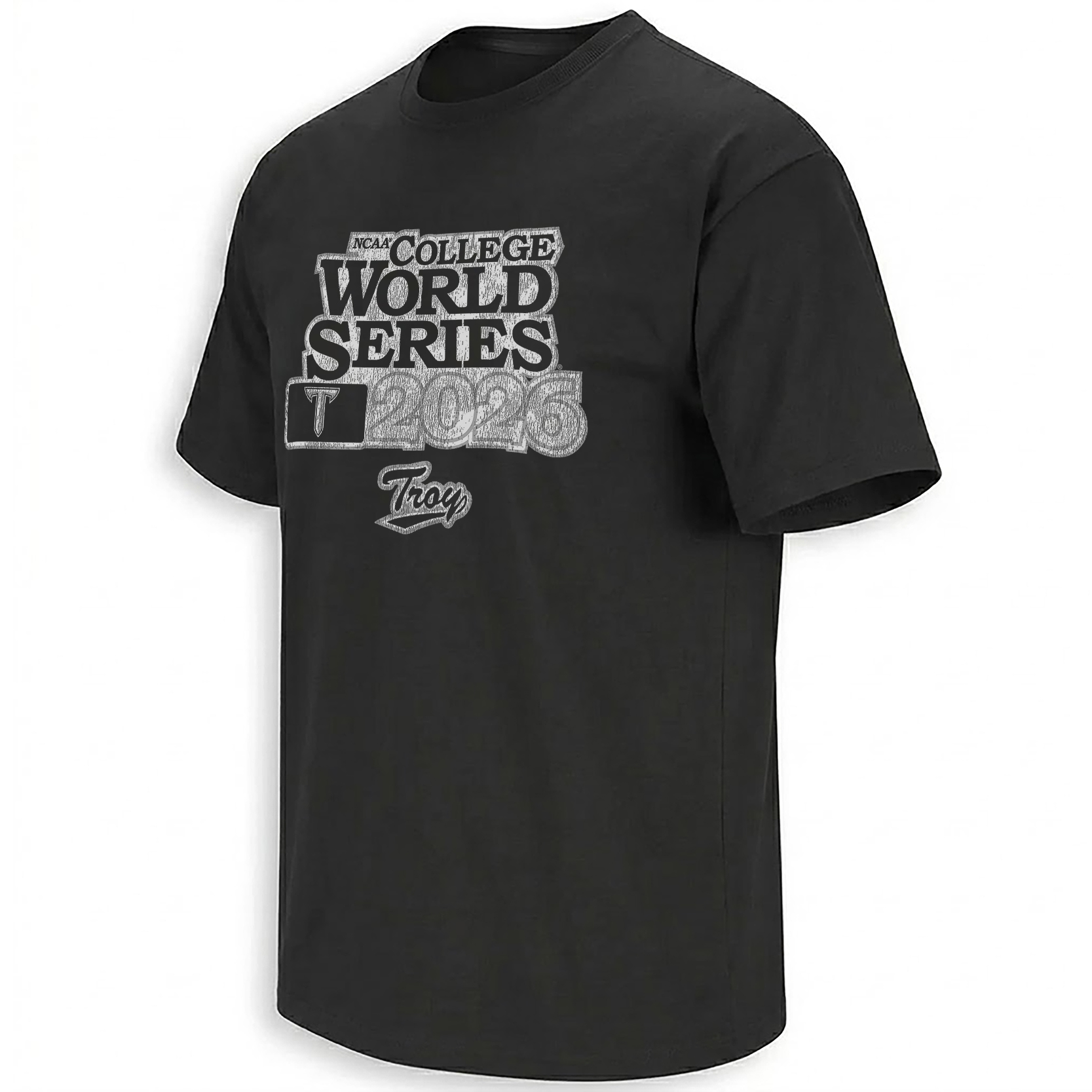
Each colorway changes the emotional temperature. Troy red feels like arrival. West Virginia gold and navy feel like a first-time fan base turning pride into proof. Ole Miss light blue feels classic and coastal. Georgia red-black brings SEC heat. Carolina blue gives the bracket a clean comeback glow. Alabama crimson, if the final outs follow the current edge, would carry the heavy feeling of a program returning to a stage it has chased for decades.
Inside the broader NCAA shirts and apparel archive, these pieces work best as a group because Omaha itself is the unifying character. The teams are different, but the visual language is shared: city, year, color, mascot, and the instant recognition that college baseball fans attach to the MCWS.
The Troy Omaha graphic is the cleanest example of the year’s new-arrival energy: a visual record of a program stepping into a place its fans had not occupied before.
FAQ
Why does Omaha 2026 feel different from a normal College World Series field?
The field has a strong mix of first-time appearances, dramatic Super Regional finishes, recent championship memory, and unresolved bracket tension, making it feel like a fresh college baseball archive rather than a predictable power list.
Why are Troy and West Virginia such important stories?
Both programs reached Omaha for the first time, which gives their fan bases a before-and-after moment. First MCWS appearances often become permanent pieces of school baseball memory.
Why do the team colors matter in these Omaha graphics?
College baseball memory is heavily visual. Team colors turn a bracket result into something fans can recognize instantly, whether it is Troy red, Carolina blue, Georgia red-black, or West Virginia gold and navy.
Why is Alabama treated carefully in this article?
At the time this article was framed, Alabama was leading St. John’s in a suspended Super Regional game and was close to Omaha, but the final outs still mattered. That makes the Crimson Tide graphic part of the unresolved edge of the 2026 conversation.
The Archive Is Forming Before the Bracket Fully Settles
That is the strange beauty of College World Series culture. Fans do not wait for the final dogpile to start building memory. They build it when the bus leaves campus, when the bracket graphic updates, when a regional scar turns into a super regional celebration, when “Omaha” stops being a goal and becomes a place on the calendar.
The 2026 field already has enough emotional variety to feel alive: firsts, returns, walk-offs, rivalry wounds, and the nervous edge of teams still finishing the last pieces of the road. These graphics belong to that unfinished moment — not as the whole story, but as the color-coded evidence that college baseball fans were already turning June into memory.