
Chicago Has Caught Mune Mania
Two phrases—Mune Mania and Mune Shot—now describe more than one Japanese slugger’s home runs. They capture how Munetaka Murakami changed the mood, language and ballpark culture surrounding the 2026 White Sox.
On July 26, 2026, Munetaka Murakami arrived at Rate Field for a promotional afternoon built around his first Major League home run. By the end of the game, the bobblehead was already commemorating an earlier version of the story.
Murakami went 3-for-5 with two home runs and a career-high six RBIs as the Chicago White Sox defeated the Houston Astros 12–3. His parents, Fumiyo and Kimiya, had traveled from Japan and participated in the ceremonial first pitch. The rookie responded by producing one of the loudest performances of his first MLB season.
That combination—family, promotion, power and a division-leading Chicago team—gave “Mune Mania” something every memorable sports phrase needs: a real scene attached to it.
A bobblehead day that became a baseball script
The White Sox giveaway recreated Murakami’s Opening Day home run in Milwaukee. “I have power” appeared at the base of the figure, a line that had already become closely associated with his arrival in Chicago.
Murakami then supplied a live sequel. His first-inning two-run homer traveled a Statcast-projected 385 feet to left field and ended a run of 13 games and 42 at-bats without a home run. He added a two-run single in the seventh and another homer in the eighth.
The performance carried additional weight because Murakami had missed 35 games with a Grade 2 right hamstring strain. His power had been immediate before the injury, but the bobblehead-day explosion demonstrated that his importance to Chicago had survived the interruption.
The promotion celebrated Murakami’s first Chicago chapter. His two-homer performance showed how quickly the story had already grown beyond it.
Murakami said he had remained patient because the quality of his approach had not disappeared during the homerless stretch. Teammate Miguel Vargas expressed the clubhouse view more simply: “It’s just Mune being Mune.”
What does Mune Mania mean?
“Mune Mania” is not merely a phrase printed by apparel sellers. The Chicago White Sox have repeatedly used it through their official social accounts, including after Murakami’s April power surge and again following his two-homer performance on July 26.
The wording places Murakami within the tradition of sports “manias”: moments when a player’s identity expands beyond statistics and begins influencing crowd reactions, headlines, merchandise and the collective language used by fans.
Murakami arrived in the United States with an extraordinary baseball history in Japan, including a 56-home-run season in 2022 and the Central League Triple Crown. Chicago did not need to invent his power. What it needed was a local vocabulary for experiencing it.
The collective excitement surrounding Murakami’s home runs, personality and immediate influence on the White Sox.
A natural play on “moonshot” that turns one of Murakami’s towering home runs into a name uniquely connected to him.
How “Mune Shot” moved beyond the home run
“Mune Shot” works first as baseball wordplay. Murakami’s shortened name, Mune, sounds close enough to “moon” that a towering home run can instantly become a Mune Shot.
By July, however, the phrase had traveled into the stadium’s food culture. The White Sox introduced “Muneshot Sushi Push-Pops” at Lucky’s concession stand in Section 154. California crunch and shrimp tempura rolls were served in push-up containers, combining Murakami’s Japanese background with the upward motion implied by a moonshot.
According to MLB’s reporting, more than 2,000 were sold across the first three games, with the sushi selling out each day. The fact that a home-run pun became a concession item illustrates how fully Murakami had entered the ballpark’s identity.
Why Murakami changed the White Sox story
The White Sox entered Murakami’s first season carrying the recent memory of a long rebuild. By late July, Chicago held a 2½-game lead in the American League Central with 58 games remaining.
That turnaround cannot be assigned to one player alone. Yet Murakami became its clearest visual and linguistic symbol. His left-handed power gave the lineup a centerpiece; his rapid popularity supplied the season with recognizable images and phrases.
He also created a bridge between Japanese baseball culture and the South Side without requiring his identity to be reduced to a generic international-player narrative. “Mune Mania” centers the person. “Mune Shot” centers the action.
Two shirts documenting two sides of the same phenomenon
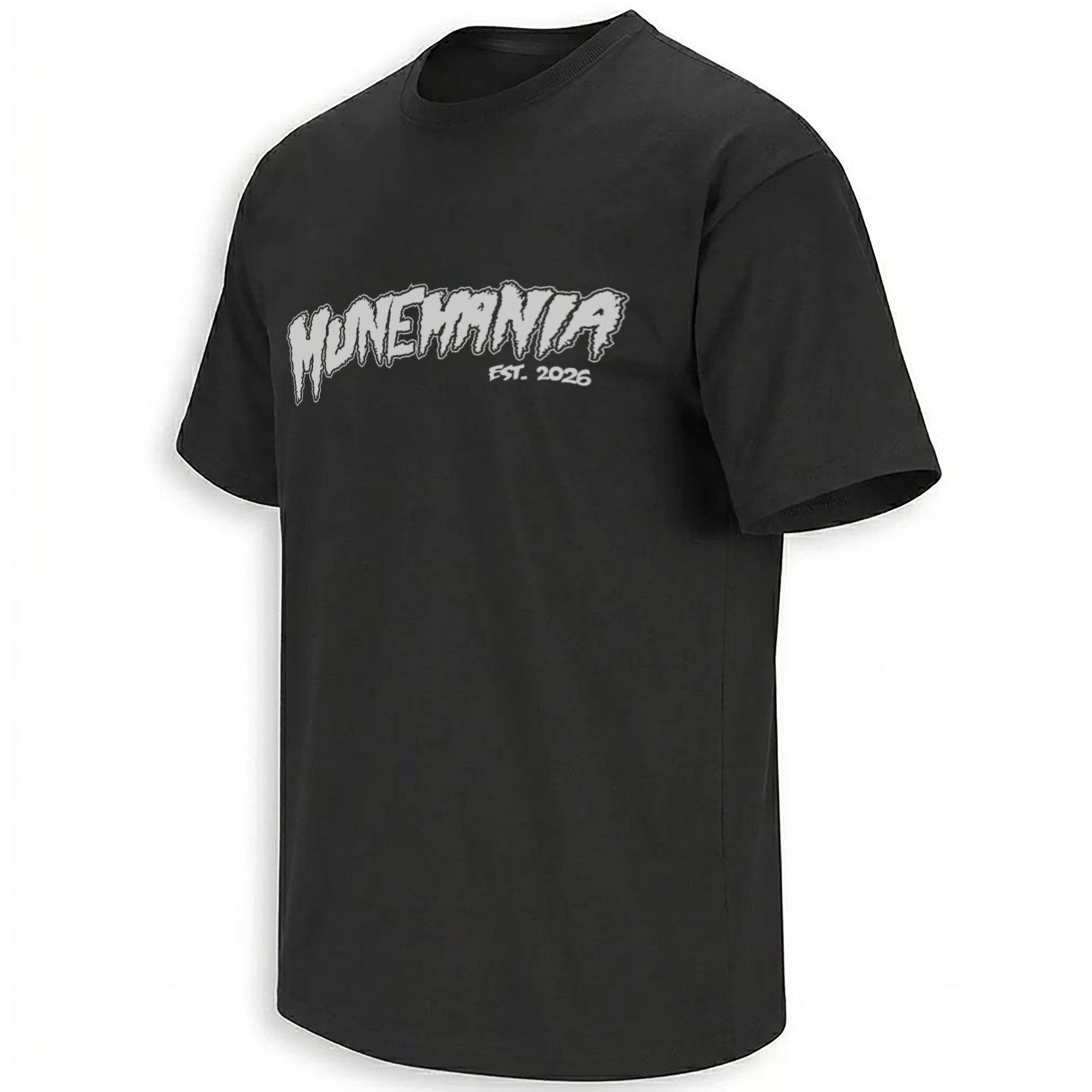
Mune Mania Shirt
The broader cultural statement: Chicago’s excitement over the Japanese rookie who changed expectations on the South Side.
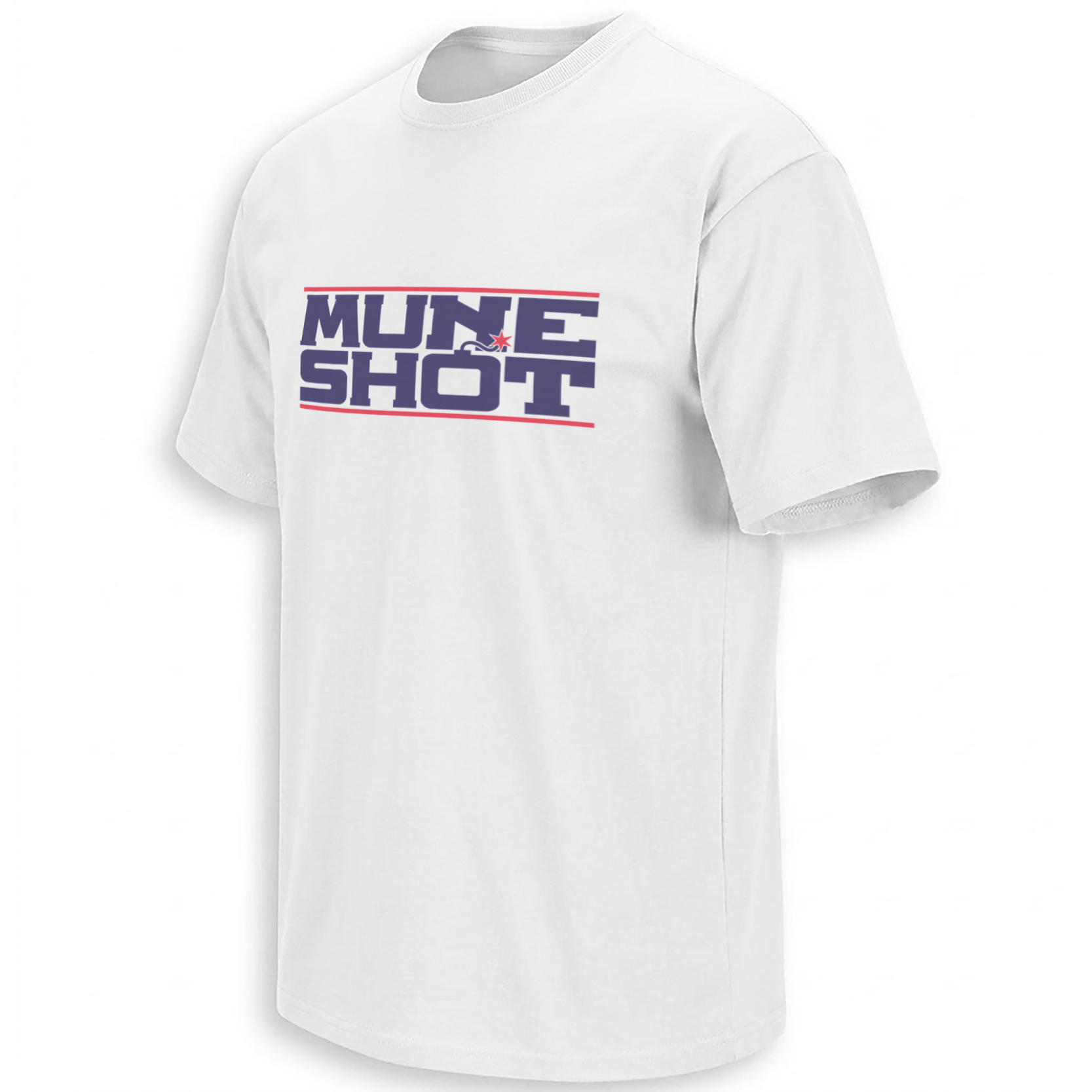
Mune Shot Shirt
The action phrase: a baseball moonshot transformed into a player-specific nickname for Murakami’s signature power.
A timestamp from Chicago’s unexpected summer
Sports apparel is most interesting when it documents language while that language is still becoming part of the culture. These designs do not merely place Murakami’s name beside a White Sox color palette. They preserve the vocabulary Chicago developed around him.
One phrase describes the atmosphere. The other describes the flight of the baseball. Together, Mune Mania and Mune Shot capture the moment when Murakami stopped feeling like a celebrated international acquisition and began feeling inseparable from the White Sox’s 2026 identity.
Readers can find more South Side designs through the verified Chicago White Sox collection, explore the wider MLB collection, or browse newly documented moments through Newest.
Frequently Asked Questions
What does Mune Mania mean?
Mune Mania describes the excitement surrounding Munetaka Murakami’s power, popularity and influence during his 2026 rookie season with the Chicago White Sox. The team has used the phrase through its official social accounts.
What does Mune Shot mean?
Mune Shot is a play on “moonshot,” using Murakami’s shortened name to describe one of his towering home runs.
What happened on Munetaka Murakami Bobblehead Day?
On July 26, 2026, Murakami hit two home runs and drove in a career-high six runs as the White Sox defeated the Astros 12–3. His parents also participated in the ceremonial first pitch.
What is the Muneshot Sushi Push-Pop?
It is a Murakami-inspired concession item introduced at Rate Field, featuring sushi served in a push-up container. MLB reported that more than 2,000 were sold during its first three games.
Where can fans find more Chicago White Sox designs?
Related designs are available through Ellie Shirt’s Chicago White Sox and MLB collections.