
One City, Two October Tickets: Cubs and White Sox Clinch Together
Chicago did not have to choose a side on September 24. Within the same baseball afternoon, the Cubs secured another October trip at Wrigley Field and the White Sox completed one of the season’s sharpest turnarounds in Kansas City.
The strange beauty of Chicago baseball is that the city is designed to divide itself. North Side and South Side. Blue and red against black and silver. Wrigley Field against the ballpark at 35th and Shields. But on Thursday, September 24, the map briefly pointed in one direction: October.
The Cubs beat the Miami Marlins 2–1 at Wrigley Field to clinch their second consecutive postseason berth. On the road, the White Sox overwhelmed the Kansas City Royals 9–1 to secure their first playoff appearance since 2021. It was only the fourth season in which both Chicago clubs reached the postseason, joining 1906, 2008 and 2020.
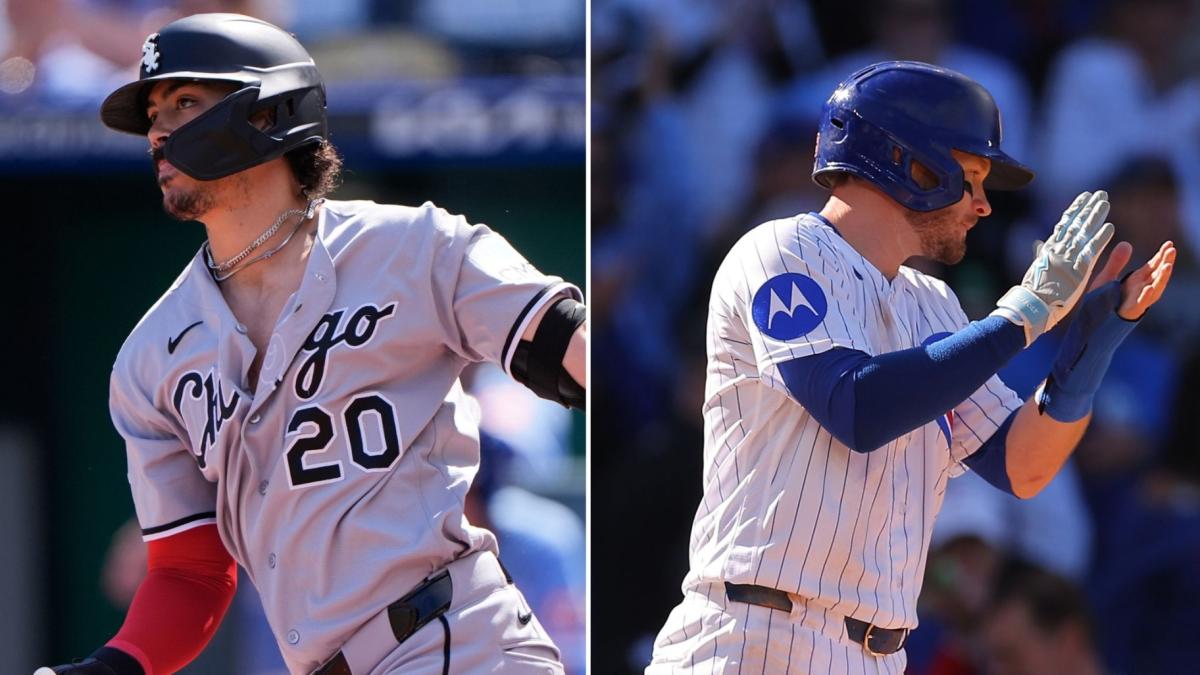
Chicago’s baseball map did not stop being divided. For one afternoon, both halves simply pointed toward October.
The North Side Clinched — and PCA Added Another Memory
The Cubs’ clincher carried an extra layer because Pete Crow-Armstrong stole his 40th base in the first inning, pairing it with 45 home runs and placing him in baseball’s rare 40–40 club. Seiya Suzuki tied the game with a homer, Ian Happ tripled in the sixth and Nico Hoerner drove him home for the decisive run.
That combination explains why the Cubs postseason graphics do not need to force drama. The moment already has it. The Clinched artwork uses oversized condensed type like a newspaper extra. No Time Like October strips the message down to the season’s simplest truth. Fall In pushes toward metallic streetwear language, while the locker-room postseason graphic looks closer to an old championship program.
Crow-Armstrong has become such a visible part of this October story that fans following his moments can also browse Ellie Shirt’s Pete Crow-Armstrong design search.
North Side Visual Archive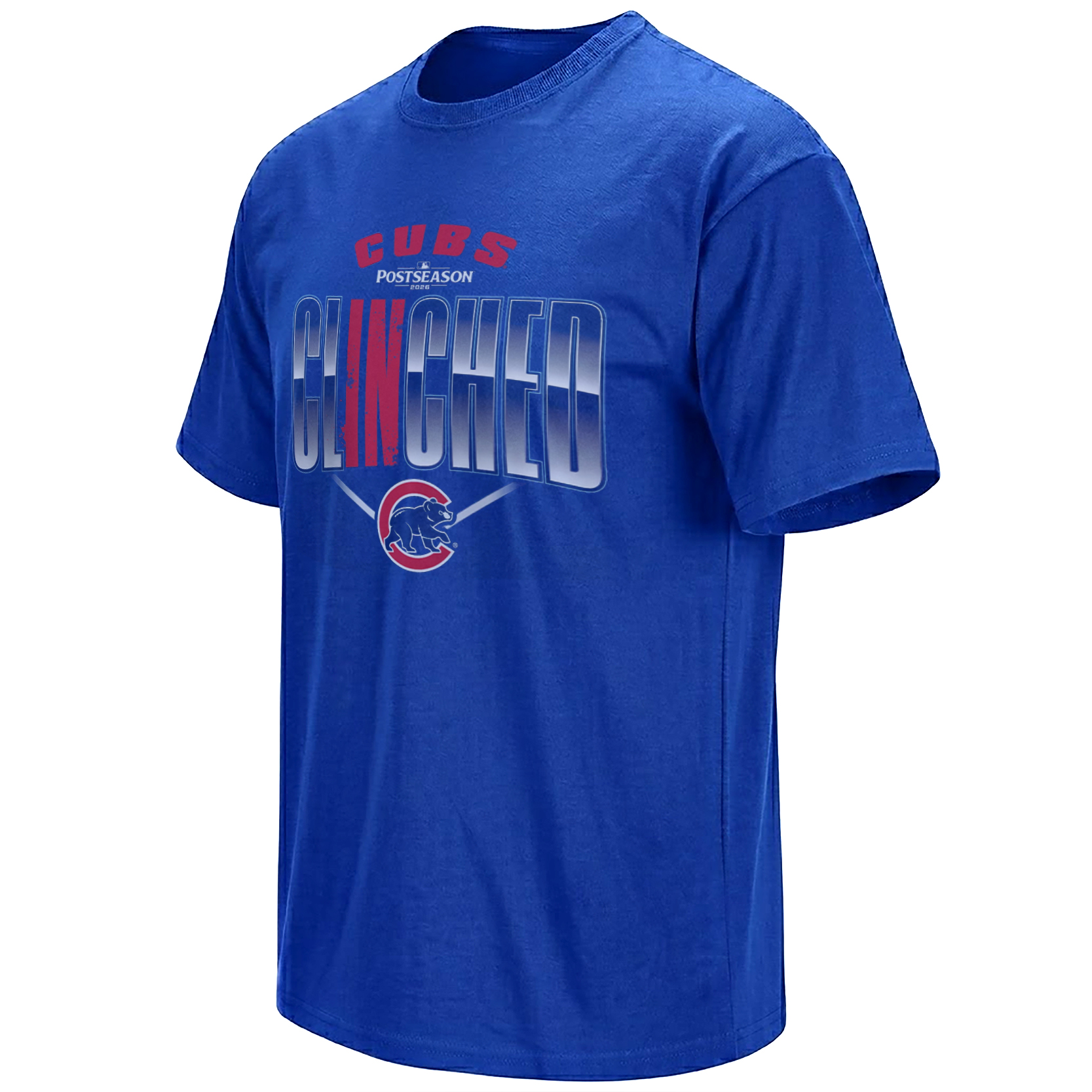
Oversized condensed lettering gives the playoff confirmation the urgency of a front-page sports headline.
View the clinched graphic →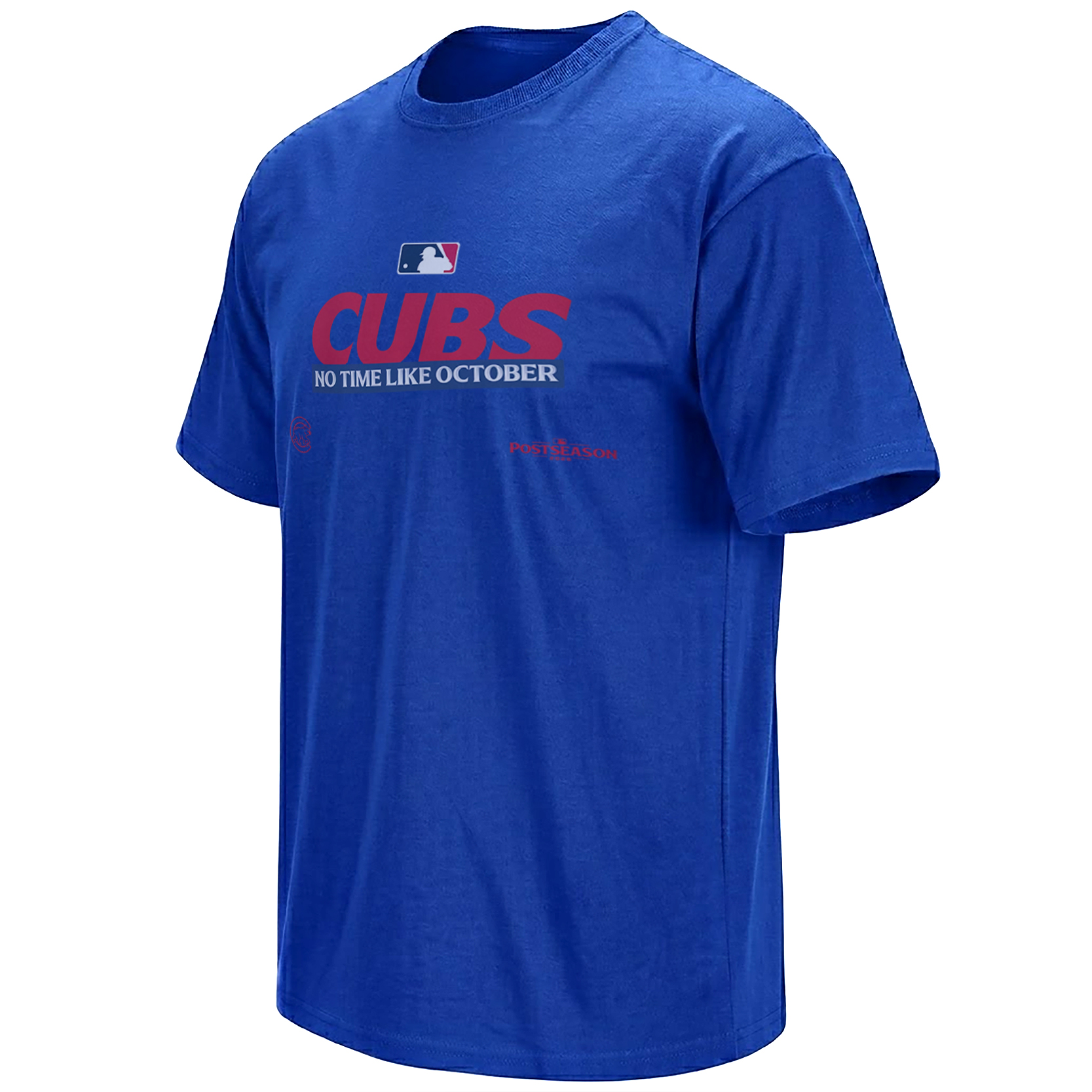
A cleaner postseason statement built around the month that changes the emotional temperature of baseball.
See the October piece →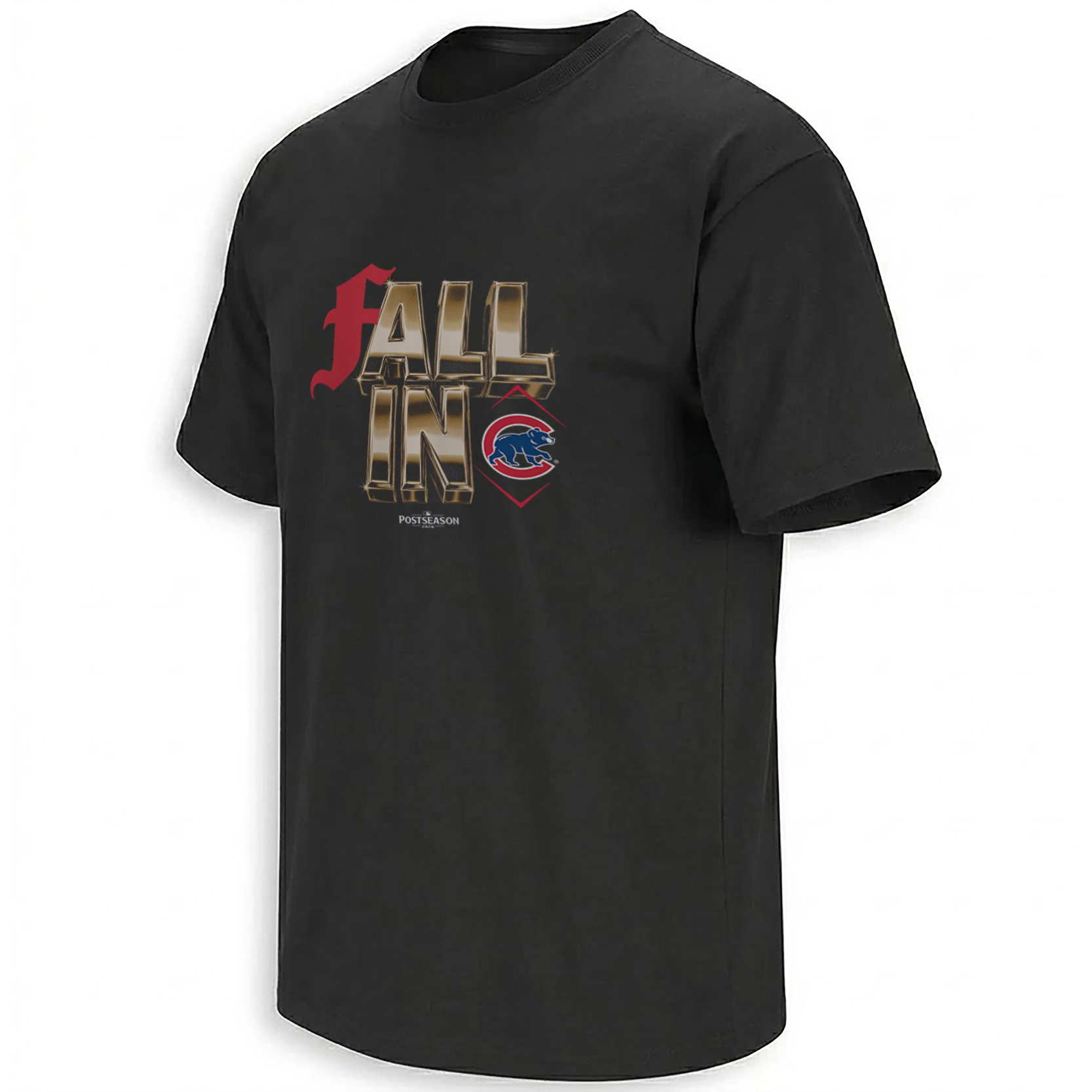
Metallic block type and diamond framing turn playoff qualification into a harder streetwear-style command.
Open the Fall In design →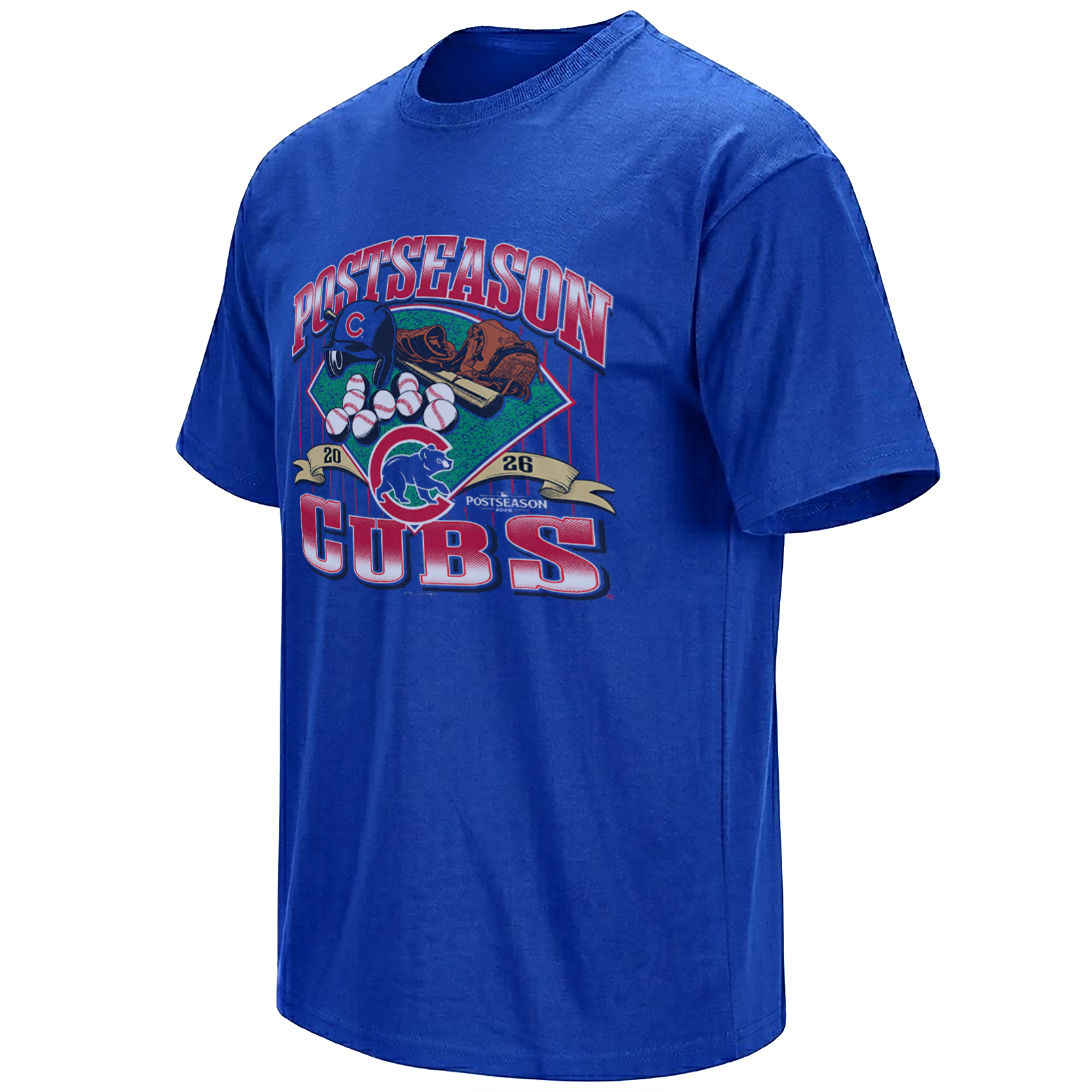
The diamond, baseball imagery and layered title treatment make this one read like a commemorative October poster.
Explore the locker-room graphic →The South Side Story Is Not Just a Clinch — It Is a Reversal
The White Sox side of the afternoon carried a very different emotional weight. Chicago had endured three consecutive 100-loss seasons, including the modern-era 121-loss low point of 2024 and another 102 losses in 2025. By September 24, 2026, the same organization was spraying champagne after securing a playoff place.
Kyle Teel homered and reached base five times in Kansas City, while David Sandlin held the Royals to one run over six innings. Yet the larger visual is the distance between where this franchise was and where it suddenly stands. “Postseason” on a White Sox graphic no longer reads like nostalgia. It is current tense again.
South Side Visual Archive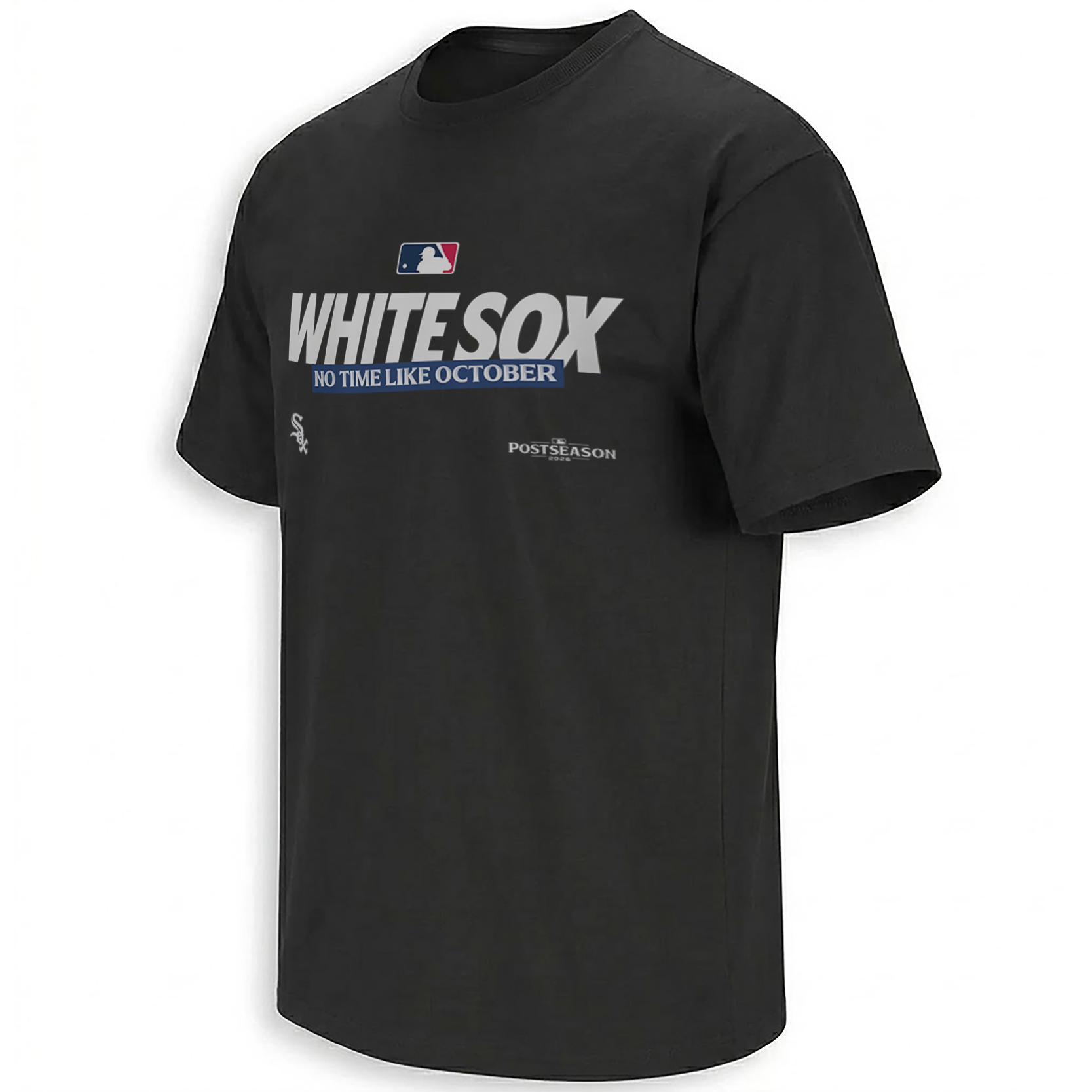
Black, silver and a compact postseason layout turn the phrase into a South Side version of October minimalism.
View the October graphic →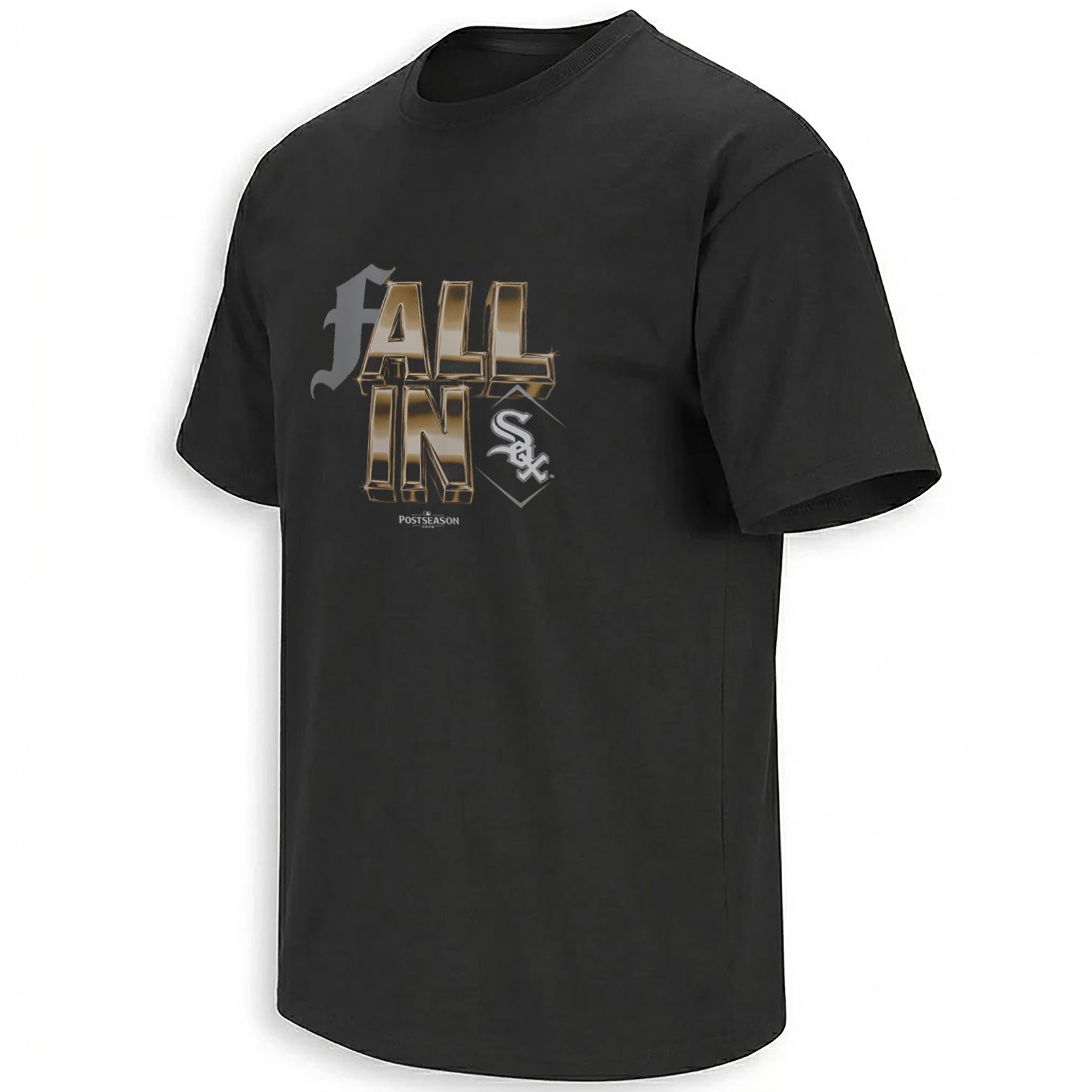
The dimensional lettering and dark palette fit a postseason run whose emotion feels tougher than celebratory.
See the Fall In piece →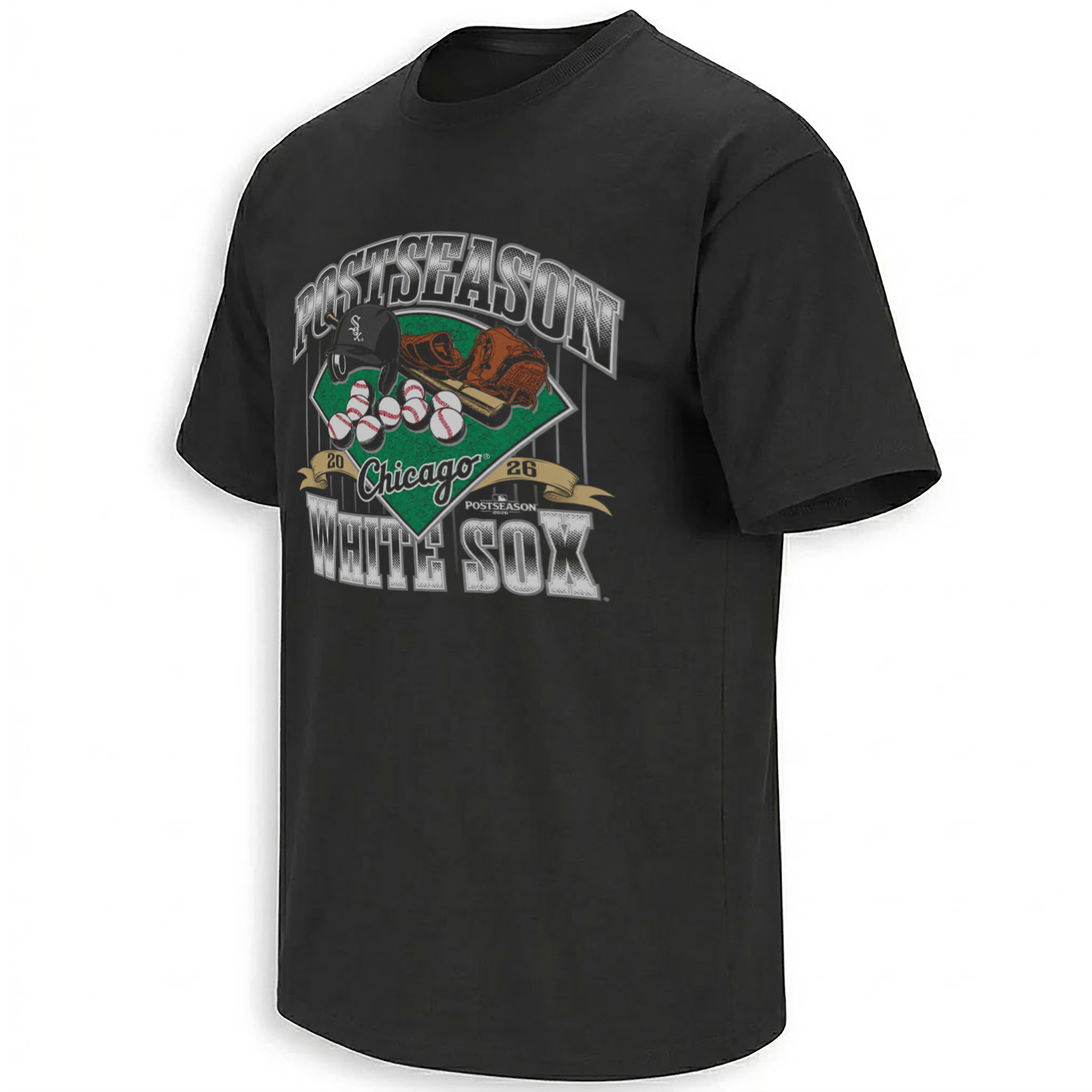
Layered baseball iconography gives the turnaround the look of something already being filed into team memory.
Open the locker-room design →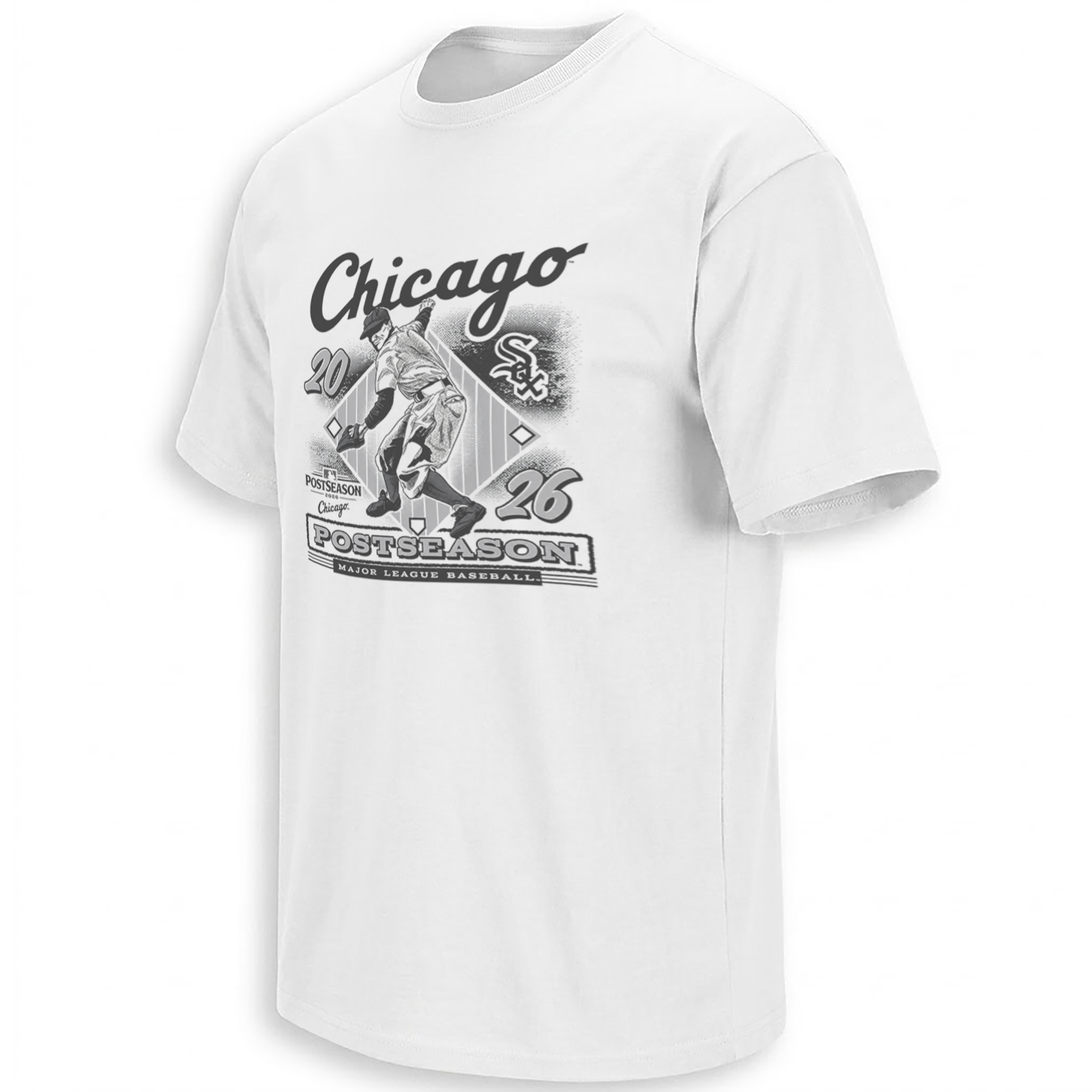
The illustrated pitcher and diamond composition recast the 2026 return through mid-century baseball-card language.
Explore the vintage piece →Social Media Made the Double Clinch Feel Even More Like One Event
Official MLB posts arrived almost as quickly as the final outs. That mattered because the unusual part was not merely that two teams qualified; it was seeing two halves of the same baseball city enter October together while still remaining culturally separate.
That is also why repeated postseason phrases work differently across these eight graphics. “No Time Like October” is shared language; “Fall In” is shared language. The visual identity around those words — Cub blue, Sox black, vintage diamonds, condensed clinch type — is what turns one citywide event into two fan memories.
Two Fanbases, One Larger MLB October Archive
The North Side chapter continues through the Chicago Cubs collection, while the South Side’s 2026 reversal sits inside the Chicago White Sox collection. Both ultimately belong to the broader MLB collection, where postseason graphics work best as a running record of who was celebrating, what fans were saying and how October looked in a particular year.
Frequently Asked Questions
When did the Cubs and White Sox clinch 2026 postseason spots?
Both Chicago teams clinched on September 24, 2026: the Cubs beat Miami 2–1 at Wrigley Field, while the White Sox beat Kansas City 9–1 on the road.
How rare is it for both Chicago MLB teams to reach the postseason?
2026 is only the fourth season in which both the Cubs and White Sox reached the postseason, following 1906, 2008 and 2020.
Why is the White Sox playoff berth such a major 2026 story?
Chicago reached the postseason after three consecutive 100-loss seasons, turning one of baseball’s deepest recent rebuild lows into a playoff season.
What did Pete Crow-Armstrong accomplish during the Cubs clincher?
Crow-Armstrong stole his 40th base of the season to go with 45 home runs, becoming the seventh player in MLB history with a 40-homer, 40-steal season.
Why do the Cubs and White Sox postseason designs belong in one story?
The designs preserve two visually different reactions to the same rare Chicago baseball afternoon: North Side and South Side fan cultures entering October together.
Follow the moment through the Cubs visual archive, the White Sox archive, and the wider MLB postseason collection.
Cubs and White Sox 2026 postseason graphics capture the rare afternoon when both sides of Chicago clinched October baseball, from Wrigley’s celebration to the South Side’s historic turnaround.