
Cut to the Chase: Meidroth Ended a 21-Year Wait
Chase Meidroth’s first postseason home run arrived at exactly the moment Chicago needed separation — and turned a familiar phrase into shorthand for one of the White Sox’s biggest October breakthroughs since 2005.
Houston had spent four innings slowly repairing the damage. Chicago led 4-0 almost immediately in Game 2 of the American League Wild Card Series, but solo home runs from Jeremy Peña, Cam Smith and José Altuve pulled the Astros back to 4-3.
It felt like exactly the sort of point where postseason history can reverse direction. The White Sox had already survived a dangerous fifth inning. Their lead was one. Houston’s crowd had a reason to believe. Then Chase Meidroth stepped in with two runners aboard and removed the suspense.
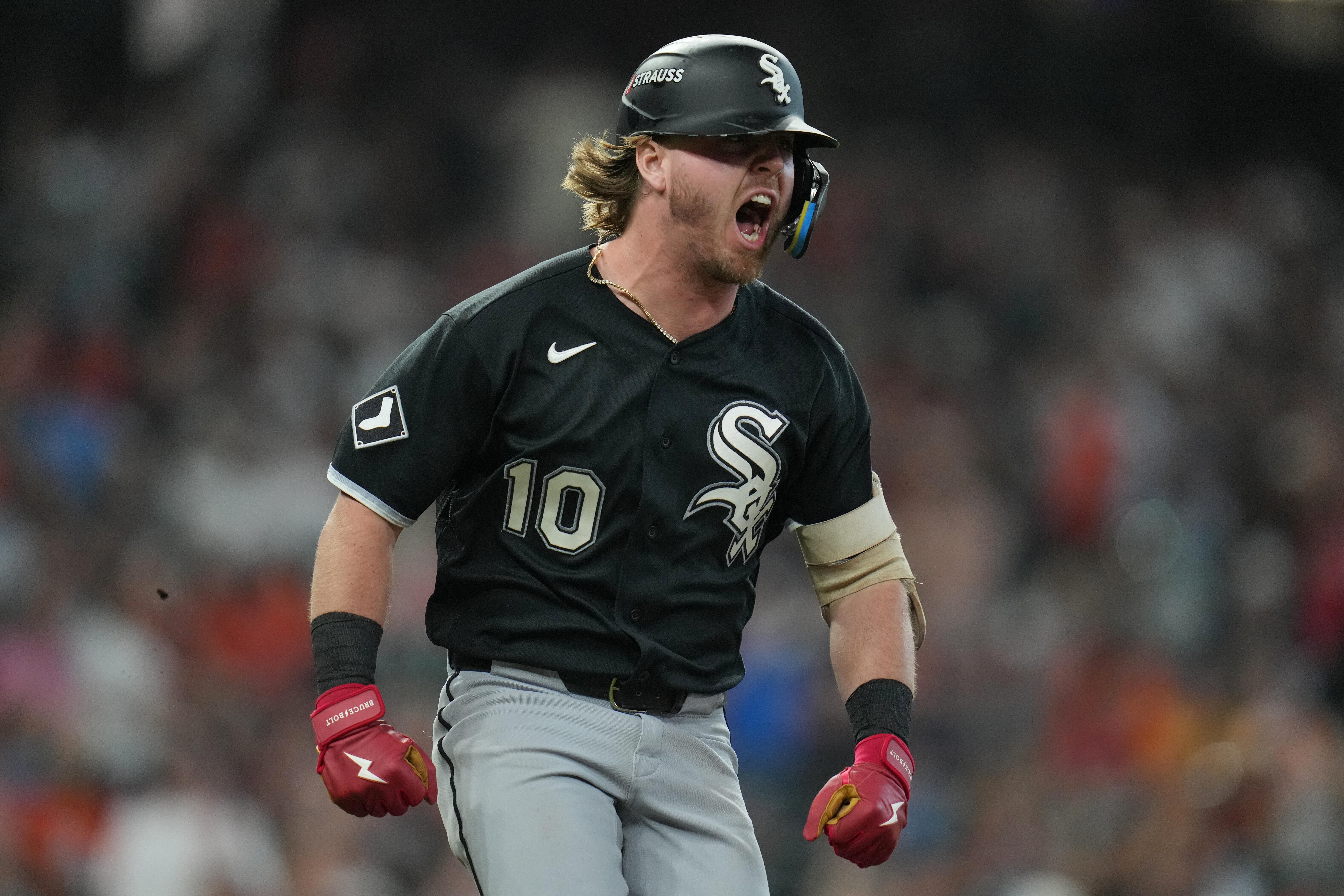
He launched Bryan Abreu’s slider 390 feet to left field. The three-run homer made it 7-3. Meidroth began celebrating almost immediately, pumping his fist and yelling as he rounded the bases. Twelve outs later, Chicago had completed the sweep.
“Cut to the Chase” was an easy name pun. Then Meidroth gave Chicago a playoff moment big enough to justify it.
The swing that stopped Houston’s comeback
The score explains why the homer mattered, but the inning explains why it felt so large. Houston had already erased most of Chicago’s early four-run advantage and threatened again in the fifth. Anthony Kay escaped that pressure, but the White Sox still needed breathing room.
In the sixth, Chicago put two runners on and Bryan Abreu entered from the Astros bullpen. Meidroth eventually got a slider he could drive. Statcast measured the home run at 102 mph off the bat and 390 feet. Instead of protecting 4-3, the White Sox suddenly had a four-run cushion again.
Why this White Sox breakthrough feels different
Chicago had not won a postseason series since sweeping Houston in the 2005 World Series. That history alone would make any clinching win feel significant, but the path to 2026 adds another layer.
The White Sox had endured three consecutive 100-loss seasons before this turnaround. What appeared to be a long rebuilding cycle accelerated into October baseball, and the club did not enter the postseason simply happy to be present. Chicago took both games in Houston and advanced to an ALDS matchup with division rival Cleveland.
Chicago’s last postseason series victory before this one was also against Houston — the 2005 World Series sweep. The same opponent therefore became the backdrop for ending a 21-year drought.
That makes Meidroth’s homer larger than an individual stat. It belongs to the pivot point where a season of unexpected progress became a tangible postseason accomplishment.
A player-name pun finally found its October moment
“Cut to the chase” is one of those phrases that requires no explanation. It means eliminate the buildup and get directly to the important part. Put it next to a player named Chase Meidroth, though, and the phrase becomes ready-made baseball language.
The CUT TO THE CHASE SHIRT leans into that simplicity. “CHASE” dominates the graphic in oversized condensed letters while Meidroth runs alongside it. The player’s name and No. 10 sit underneath, turning the ordinary expression into unmistakable White Sox player imagery.
Black, gray and white do most of the visual work, staying close to Chicago’s established baseball identity. The small red handwritten accent interrupts the monochrome composition like a marker slash on a street poster. That detail keeps the artwork from feeling like an official team graphic and pushes it closer to modern player streetwear.

A name-driven White Sox graphic that gained a new October meaning after Meidroth’s three-run homer helped finish Houston.
See the graphic →Meidroth was already becoming part of Chicago’s core
The Wild Card homer did not arrive from a player who had disappeared during the regular season. Meidroth finished 2026 with a .276 average, 156 hits, 90 runs, 16 home runs, 63 RBI and a .350 on-base percentage. He led Chicago in hits and provided consistent traffic near the top of the lineup.
His first postseason series only accelerated the story. Across seven at-bats against Houston, he collected four hits, a home run and four RBI. The home run was his first in October, but it already carries the kind of context that White Sox fans will remember without needing to look up the box score.
Next comes Cleveland
Chicago now moves from Houston into an ALDS against the Cleveland Guardians. The matchup keeps the postseason inside the AL Central: Cleveland won the division, but the White Sox took the regular-season series 7-6.
That continuing rivalry gives the broader Chicago White Sox collection fresh context beyond the Wild Card round. Ellie Shirt’s wider MLB collection functions as the larger October archive, connecting team runs, player nicknames and the phrases created by individual postseason moments.
For designs focused specifically on No. 10, the Chase Meidroth product search keeps the player story separate from the broader Chicago collection.
FAQ: Chase Meidroth and the 2026 White Sox
What did Chase Meidroth do against the Astros?
Meidroth hit a three-run homer in the sixth inning of Game 2, stretching Chicago’s lead from 4-3 to 7-3 in the series-clinching victory.
Was it Chase Meidroth’s first postseason home run?
Yes. The three-run homer in Houston was Meidroth’s first career postseason home run.
Why was the White Sox Wild Card sweep historic?
It gave Chicago its first postseason series victory since the club swept Houston in the 2005 World Series.
What does “Cut to the Chase” mean on the design?
The graphic turns the common phrase “cut to the chase” into a player-name pun by making Chase Meidroth’s first name the dominant visual element.
Who do the White Sox play next?
Chicago advances to face the Cleveland Guardians in the 2026 American League Division Series.
After the Wild Card clincher, the Cut to the Chase design no longer depends only on wordplay. It now points directly to the swing that put Chicago back into the Division Series.
CUT TO THE CHASE SHIRT connects Chase Meidroth’s No. 10 identity with the three-run Wild Card homer that helped Chicago sweep Houston and win its first postseason series since 2005.