Maybe the Turtles Needed the Straws: How an Environmental Symbol Became a Cocaine Turtle Meme
The joke only works because millions of people already know the original image: a sea turtle, a plastic straw and one of the defining environmental videos of the 2010s. The meme simply takes that shared memory somewhere deliberately inappropriate.
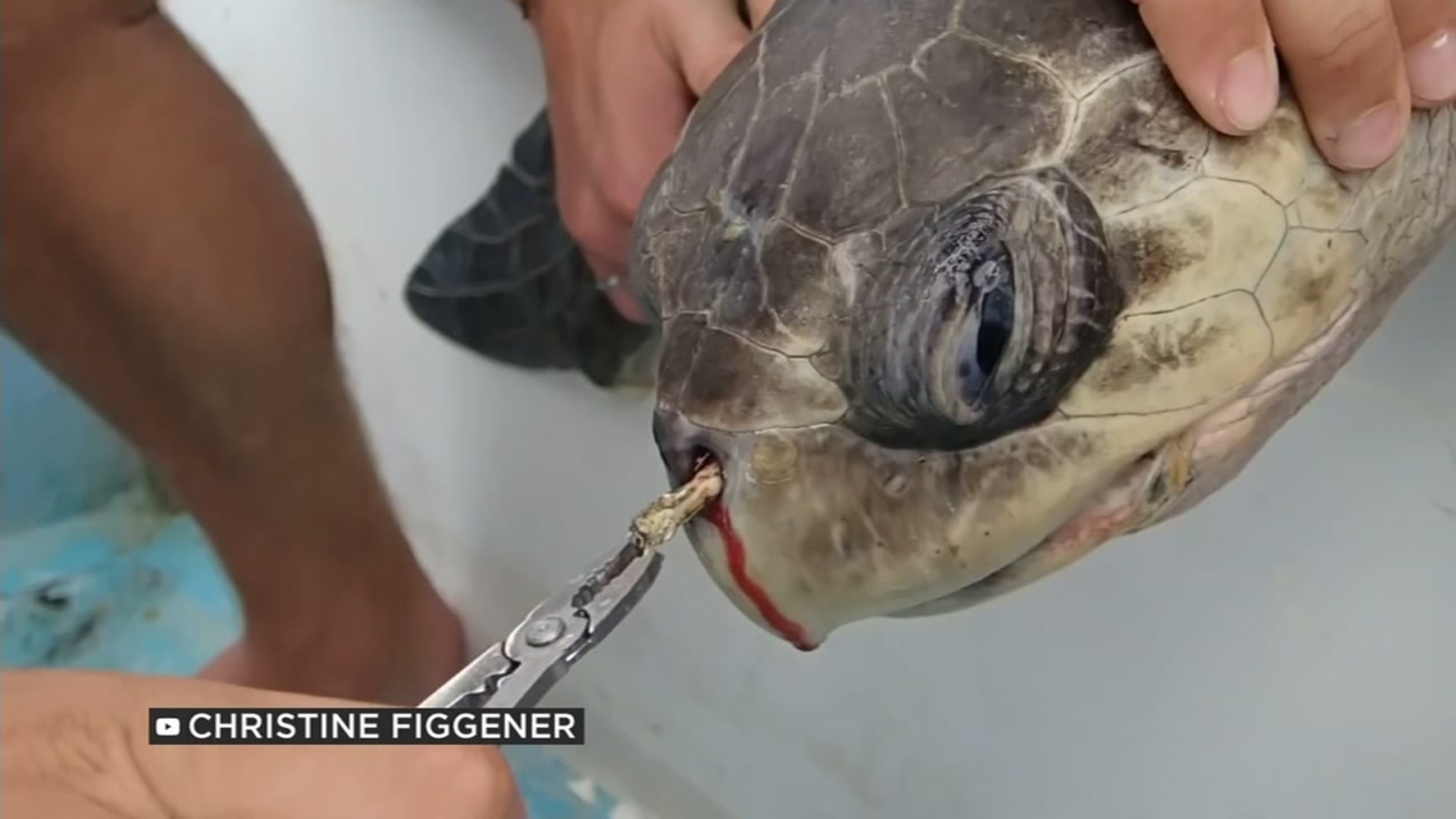
In August 2015, marine biologist Christine Figgener uploaded footage from a research trip off Costa Rica that was difficult to forget. Her team had captured a male olive ridley sea turtle for routine study when they noticed something embedded deep inside its nostril. After trying to remove it, they discovered a roughly 10-centimeter piece of disposable plastic drinking straw.
The removal was graphic. The turtle bled. The researchers struggled. The video spread across the internet and eventually accumulated tens of millions of views, transforming a mundane single-use object into an instantly recognizable symbol of ocean plastic pollution.
Years later, Figgener described the footage as an emblem of the anti-straw movement. Texas A&M similarly credited it with helping galvanize public pressure around disposable straws. “Save the turtles” moved from conservation language into mainstream internet vocabulary, while metal straws, paper straws and straw bans became culture-war objects of their own.
The Meme Depends on Everyone Remembering the Serious Version
Internet parody is often strongest when it does not need to explain its setup. By the late 2010s, a turtle plus a straw already carried environmental meaning. People had seen the rescue footage, encountered campaigns against single-use plastics or sat through the everyday argument about whether a paper straw dissolves too quickly.
“Maybe the turtles needed the straws” reverses that entire moral framework in six words. Instead of humans removing a dangerous object from wildlife, the sentence pretends that conservationists misunderstood the turtle’s intentions.
The sentence sounds like ordinary anti-paper-straw sarcasm until the artwork reveals what the turtles supposedly “needed” the straws for.
That is where these illustrated versions become much darker than the text-only slogan circulating on current meme merchandise. One turtle raises a red-and-white drinking straw toward its own nostril. On the shell beneath it sit three parallel white powder lines. The environmental reference does the setup; the drug-use imagery delivers the adult punchline.
This is not simply a “paper straws are bad” joke. The nostril placement and three white powder lines intentionally create a cocaine reference. The humor comes from taking the exact body part involved in the original 2015 turtle rescue and turning it into an absurd recreational-drug parody.
Why Two Turtles Make the Visual Joke Work
A single turtle could hold the straw, but the second turtle gives the composition a surface for the powder lines. That solves the visual storytelling problem without introducing a table or other human object into the underwater scene.
The lower shell becomes the “table.” The upper turtle becomes the actor. Blue bubbles and warm olive-brown shells preserve the innocent marine-life aesthetic long enough for the viewer to register the image as cute before noticing what the props actually imply.
That delayed recognition is the design’s strongest device. In dark meme culture, the second read often matters more than the first. The viewer sees conservation imagery, then the straw, then the nostril, then the white lines — and the meaning collapses into something completely different.
Light and Dark Versions Change the Mood
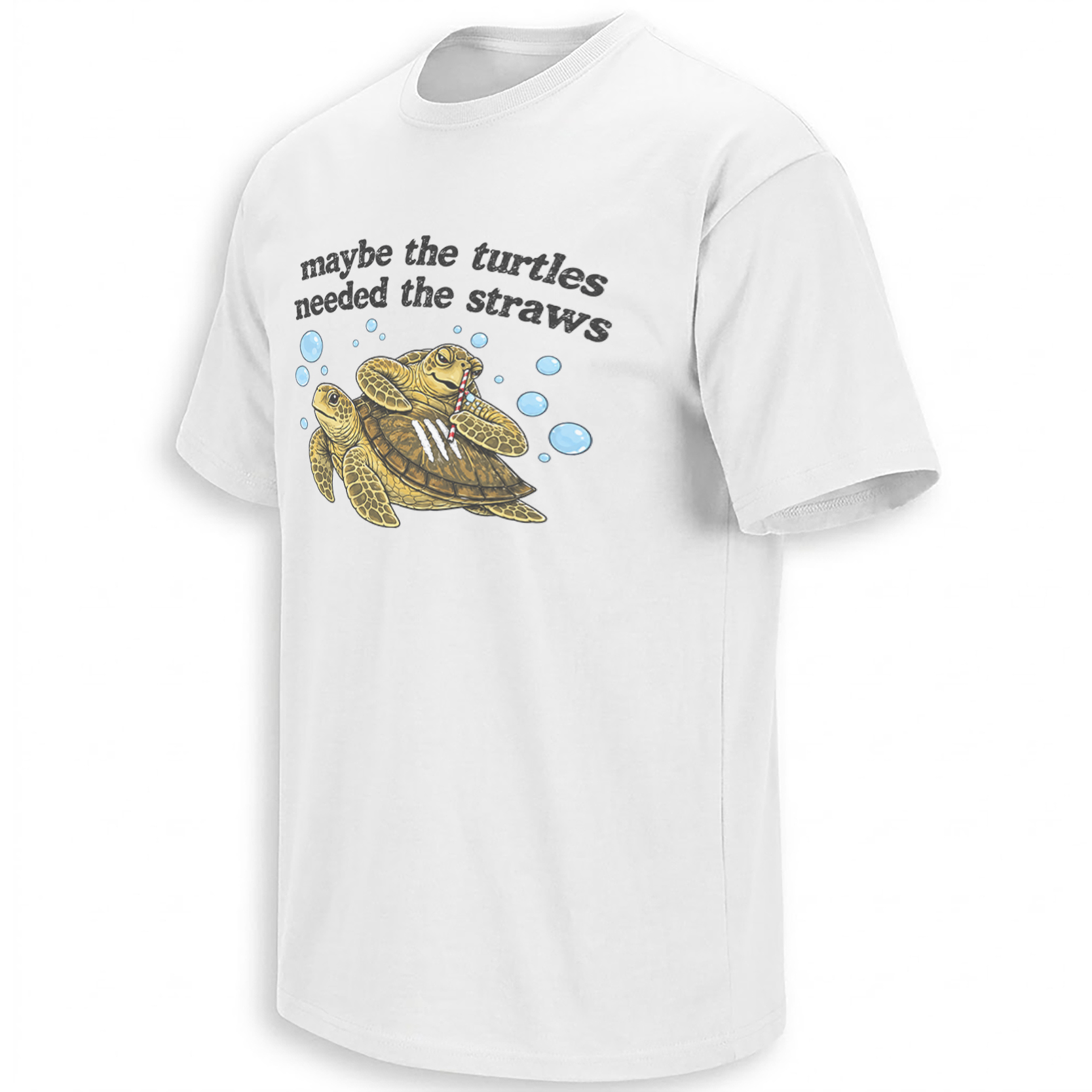
White, gray and sand bases make the underwater illustration look almost wholesome at first, strengthening the delayed reveal of the straw-and-powder gag.
View the light version →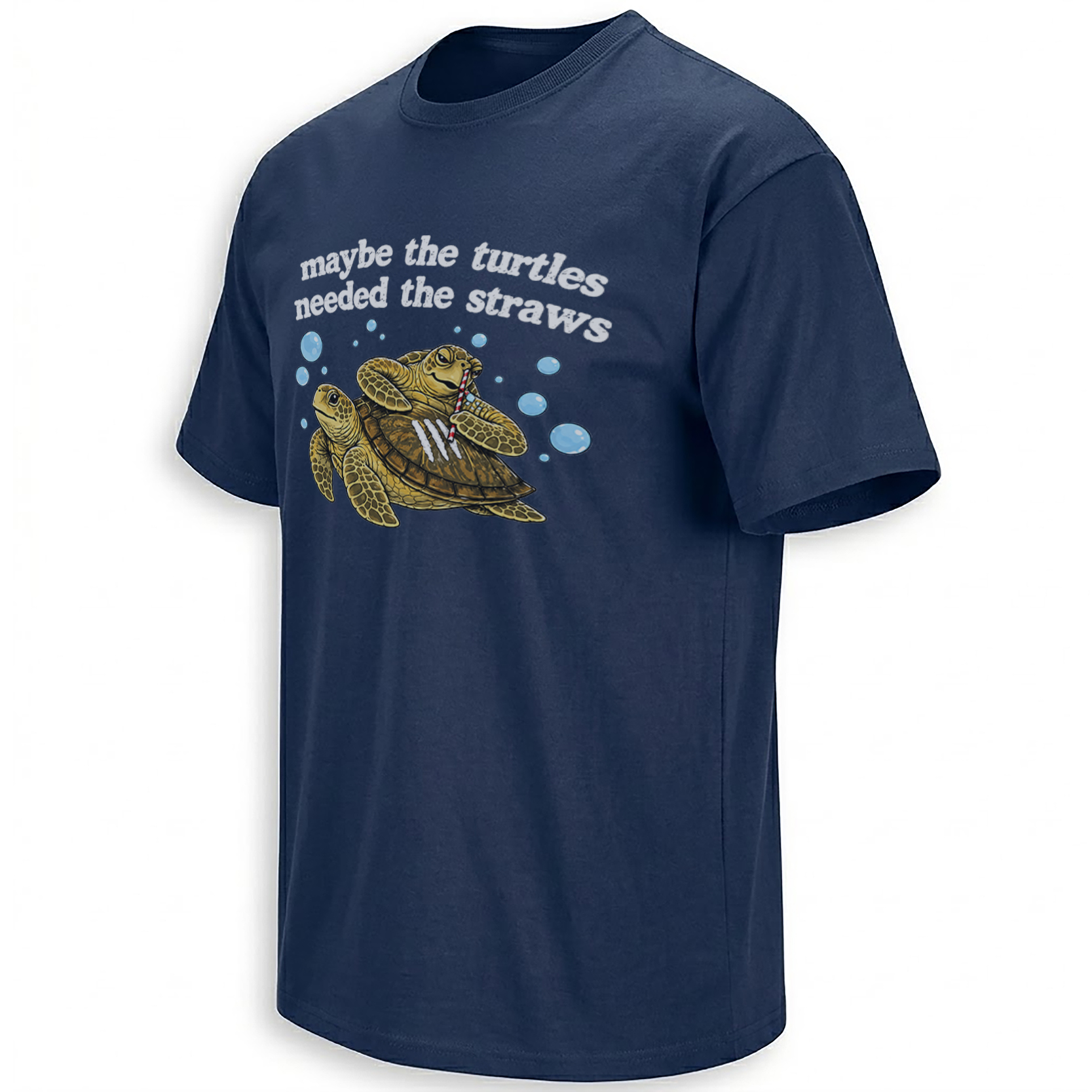
Navy, black and royal turn the same scene into a sharper underground-cartoon image, with the pale powder lines and striped straw becoming much more immediate.
View the dark version →From Conservation Symbol to Internet Raw Material
The evolution is a familiar internet pattern. A serious image becomes famous enough to carry meaning without context. That meaning gets reduced into a slogan. The slogan becomes everyday language. Eventually, parody starts attacking the symbol rather than the original event.
None of that changes what happened to the real turtle or the documented harm plastic debris can cause marine wildlife. The joke works precisely because the original environmental message remains recognizable. Without that cultural memory, two turtles, a straw and some white lines would simply be random absurdism.
Both designs sit naturally inside Ellie Shirt’s Newest collection, where current meme graphics, visual references and internet humor appear without forcing them into a sports or celebrity category that does not fit.
Frequently Asked Questions
Where did the sea-turtle and plastic-straw reference come from?
It traces to the viral 2015 footage filmed by marine biologist Christine Figgener showing researchers removing a plastic drinking straw from the nostril of an olive ridley sea turtle off Costa Rica.
What does “Maybe the Turtles Needed the Straws” mean?
It is a dark-humor reversal of the familiar “Save the Turtles” and anti-plastic-straw message, pretending that the turtles actually wanted the straws.
Why are there three white lines on the turtle shell?
They are deliberately drawn to resemble lines of cocaine, which completes the adult drug-parody punchline created by the straw being held toward the other turtle’s nostril.
Is the design criticizing sea-turtle conservation?
The conservation movement provides the recognizable cultural setup. The graphic itself operates as absurd internet dark humor rather than a factual argument about marine science.
Why are there two versions of the design?
The artwork is offered across light and dark base colors. Light colors make the scene initially appear more innocent, while navy, black and royal increase contrast and give the same joke a darker visual tone.
The light-base version and dark-base version preserve the same internet reversal in two visual moods: conservation icon first, deliberately inappropriate punchline second.
Maybe the Turtles Needed the Straws Shirt turns the famous 2015 sea-turtle straw image into adult dark humor, using two underwater turtles, a striped straw at the nostril and three cocaine-style powder lines to reverse the familiar Save the Turtles message.