
The Brewers Did Not Just Clinch — They Put 20 Runs Behind the Statement
Milwaukee punched its postseason ticket with the largest margin of victory ever recorded by a team on a clinching day, then four nights later secured a fourth consecutive NL Central title. October has become familiar in Wisconsin, but 2026 is beginning to look different.
There are quiet ways to qualify for the postseason. Milwaukee chose 20–0. On September 11 at American Family Field, the Brewers scored eight runs in the first two innings, added eight more in the fifth and reduced the suspense of clinch night almost immediately.
Garrett Mitchell supplied a grand slam. Every starter recorded a hit. By the final out, Milwaukee had secured its eighth postseason appearance in nine seasons and created an Elias-record margin for a team on the day it punched its playoff ticket.
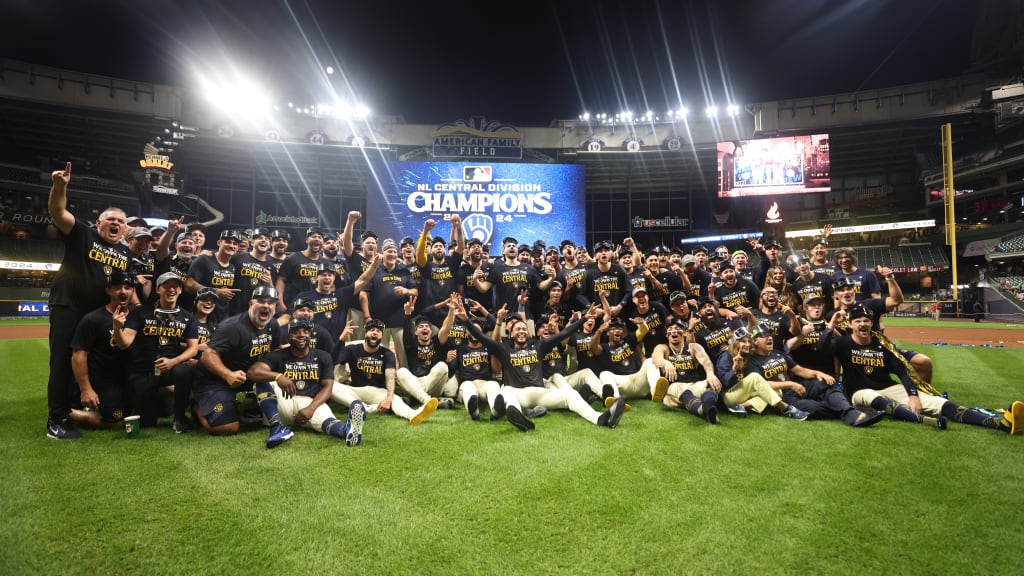
Four nights later came the next box. A 5–1 win in Pittsburgh, combined with Chicago’s loss to Atlanta, made the Brewers NL Central champions for the fourth consecutive year. The division has existed since 1994; no club had previously won it four straight times.
Milwaukee used to measure October appearances as rare franchise events. The current Brewers have turned them into an annual expectation.
The 20–0 Clincher Was a Scoreboard Version of the Entire Season
The Brewers did not begin 2026 looking inevitable. Injuries hit the lineup and rotation, the club endured a six-game losing streak in April, and the pitching staff entered the season with remarkable inexperience.
Then the season organized itself. Jacob Misiorowski helped push Milwaukee into first place for good in May. Health returned. The roster kept finding production without relying on one superstar-shaped solution. By August, the Brewers had climbed above the Dodgers and Rays to the best record in baseball.
The clinching rout against Cincinnati therefore felt less like an isolated offensive explosion and more like a caricature of what the season had become: once Milwaukee found momentum, it refused to stop adding to it.
Four Straight NL Central Titles Makes This a Different Brewers Era
The historical contrast is remarkable. From the franchise’s beginning as the Seattle Pilots in 1969 through 2017, the organization made the postseason only four times. Since then, Milwaukee has reached October eight times in nine seasons.
On September 15, Misiorowski supplied the pitching appropriate for another division clinch: five scoreless innings and seven strikeouts in Pittsburgh. The Brewers won 5–1. Chicago lost later that night, and the fourth straight Central crown became official.
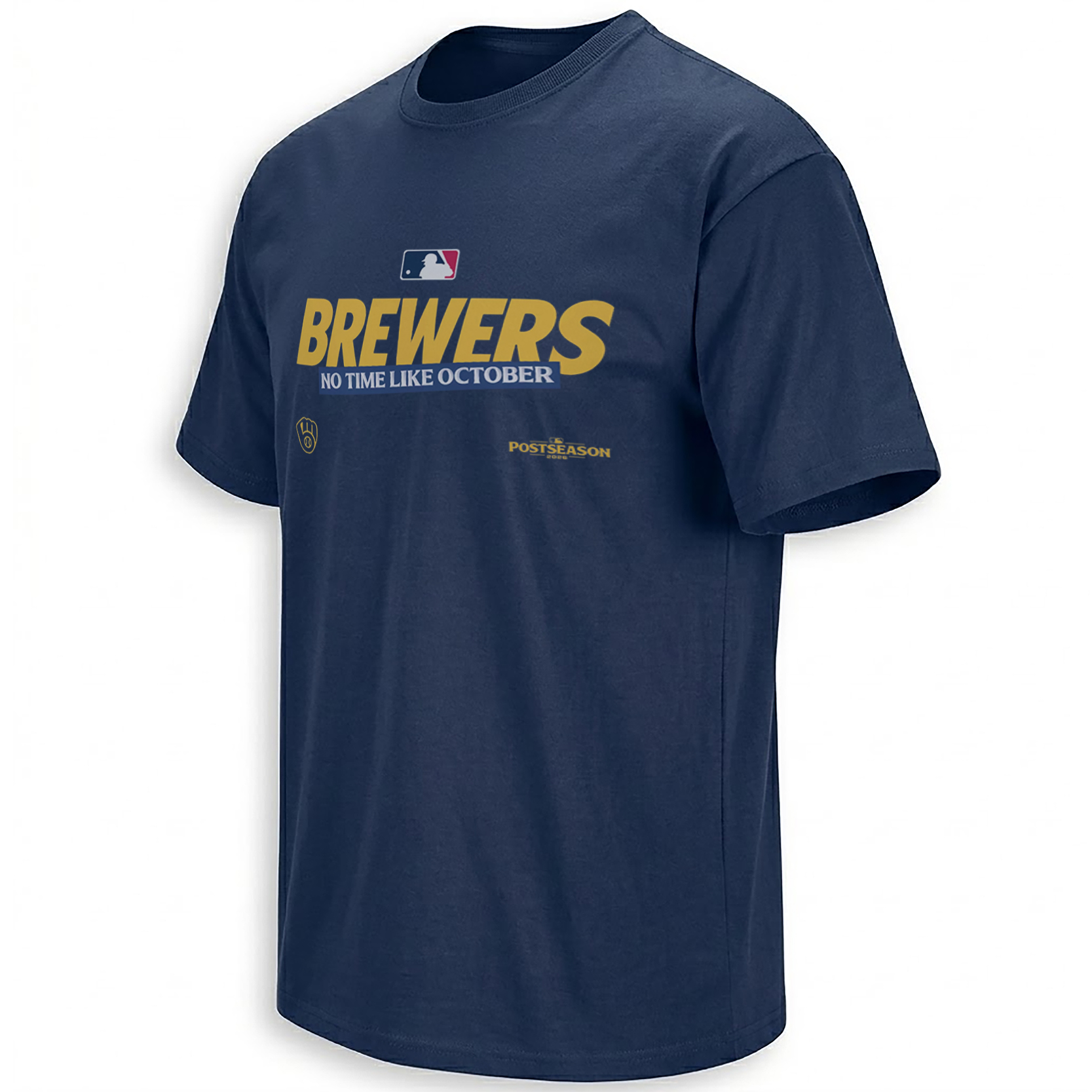
“No Time Like October” Fits a Team That Has More Boxes to Check
The No Time Like October Brewers design does not need to explain the standings. Its purpose is mood: Milwaukee baseball has crossed out of regular-season mode and into the part of the calendar where the franchise’s recent consistency is tested against its older unfinished business.
The Brewers Clinched design is sharper and more factual. Qualification came first. The division followed. Now the postseason seed and overall home-field position remain alive.
An autumn postseason piece built around a Milwaukee club that has made October almost routine while still chasing the franchise’s biggest unfinished goal.
View the October piece →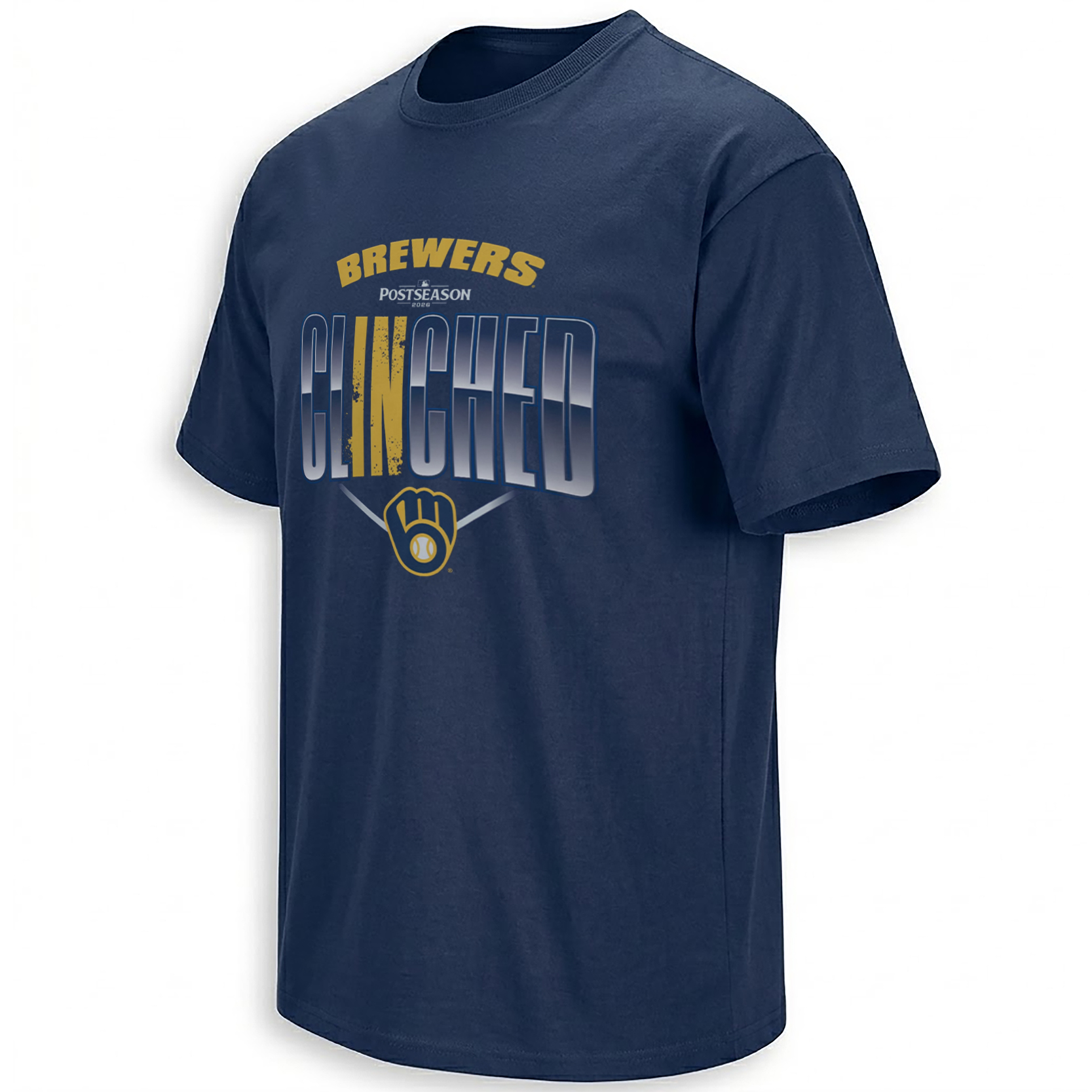
The direct timestamp of another postseason berth in what has become the most sustained winning period in Brewers history.
Open the clinch design →The Best Record in Baseball Changes What October Could Look Like
The division title is secured, but Milwaukee still has practical reasons to keep pushing. At 94–57 entering September 16, the Brewers own MLB’s best record and sit ahead of the Dodgers in the National League race.
The top two division winners in each league bypass the Wild Card Series. The best record also matters deeper into the bracket because regular-season record influences home-field advantage.
That makes the final stretch fundamentally different from teams fighting simply to get in. Milwaukee can use September to protect the easiest available route, manage pitching and enter October without the three-game volatility of a Wild Card Series.
Milwaukee’s modern run has produced postseason appearances and division titles, but the franchise has not returned to the World Series since 1982. Sustained regular-season success has changed expectations; the next historical threshold is much larger.
Misiorowski Has Become the Face of the Pitching Transformation
A young rotation looked like one of Milwaukee’s biggest uncertainties in March. By September, Misiorowski had become the pitcher repeatedly attached to the club’s biggest standings moments.
He helped put the Brewers into first place in May, starred in the August win at Dodger Stadium that pushed Milwaukee to MLB’s best record and then delivered five scoreless innings in the game that ultimately clinched the division.
That development is why the Jacob Misiorowski product search belongs naturally inside the postseason story rather than as an unrelated player link.
The broader Milwaukee Brewers collection tracks the rest of this era, while the MLB collection places the Brewers beside the Dodgers, Rays, Yankees and the still-unresolved races that will complete the 12-team field.
Frequently Asked Questions
When did the Brewers clinch a 2026 postseason berth?
Milwaukee clinched on September 11 with a 20–0 victory over the Cincinnati Reds at American Family Field.
Why was the 20–0 clinching win historic?
The 20-run margin was the largest victory by any MLB team on the day it clinched a postseason berth, according to Elias Sports Bureau research cited by MLB.
When did Milwaukee clinch the 2026 NL Central?
The division became official on September 15 after Milwaukee beat Pittsburgh 5–1 and the Cubs lost to Atlanta.
How many straight NL Central titles have the Brewers won?
The 2026 championship is Milwaukee’s fourth consecutive NL Central title, the first four-year streak in the division’s history.
What do the Brewers postseason designs represent?
Clinched records Milwaukee officially reaching October, while No Time Like October captures the seasonal shift as the Brewers move from qualification toward seeding and a deeper postseason goal.
The Clinched and No Time Like October graphics preserve the transition into postseason mode, while the Brewers archive continues toward the best-record race and whatever October finally brings.
Brewers 2026 postseason designs capture Milwaukee’s historic 20–0 clinching win, fourth straight NL Central championship and MLB-best season through Clinched and No Time Like October graphics built around another Wisconsin October.