
The Dodgers Added Another Ace to a Rotation That Already Looked Unfair on Paper
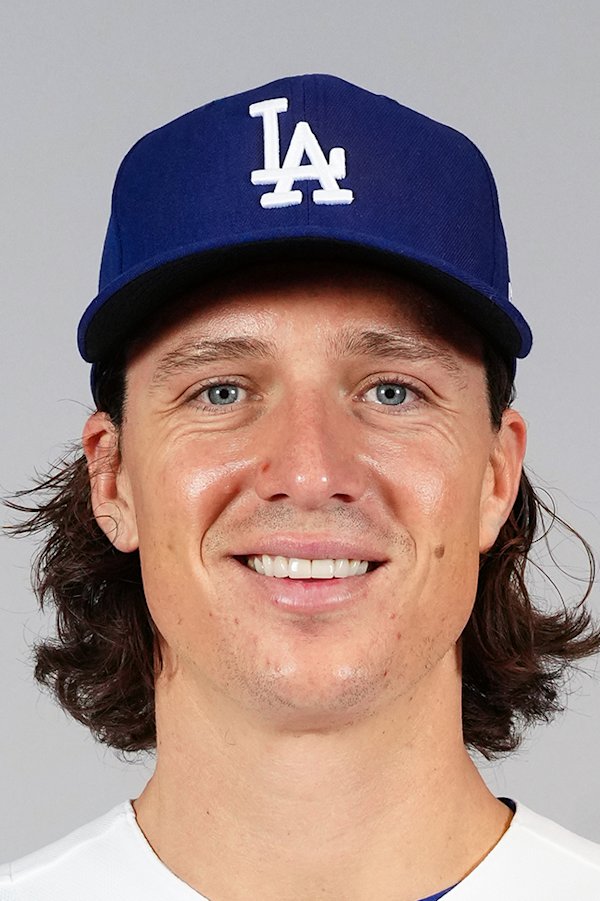
Tarik Skubal joining Los Angeles changed an old Dodgers question — “what happens when everyone gets healthy?” — into a new one: how many legitimate aces can one October roster actually use?
For most of 2026, the Dodgers’ dream rotation existed more often in theory than on the mound. Yoshinobu Yamamoto stayed at the center. Blake Snell fought multiple injury interruptions. Tyler Glasnow battled back problems. Shohei Ohtani’s pitching workload had to be managed carefully.
The remarkable part was that Los Angeles already possessed the names everyone imagined for October: Yamamoto, Snell, Glasnow and Ohtani — the four starters MLB described as the ace-caliber group that powered the 2025 postseason.
Then the Dodgers acquired Tarik Skubal.
The two-time reigning American League Cy Young winner arrived from Detroit at the 2026 deadline with a 2.79 ERA and 116 strikeouts. Suddenly, the Dodgers did not simply have a potential postseason rotation. They had a deck of names that looked like someone accidentally selected “fantasy roster” mode.
The Dodgers’ real challenge is no longer finding enough starting pitching talent. It is getting all of that talent healthy at the same time.
Skubal Turned “Loaded” Into Something Harder to Describe
Skubal was not another depth move. Los Angeles acquired one of the best pitchers in baseball while already holding a ten-game NL West lead and chasing a third consecutive World Series championship.
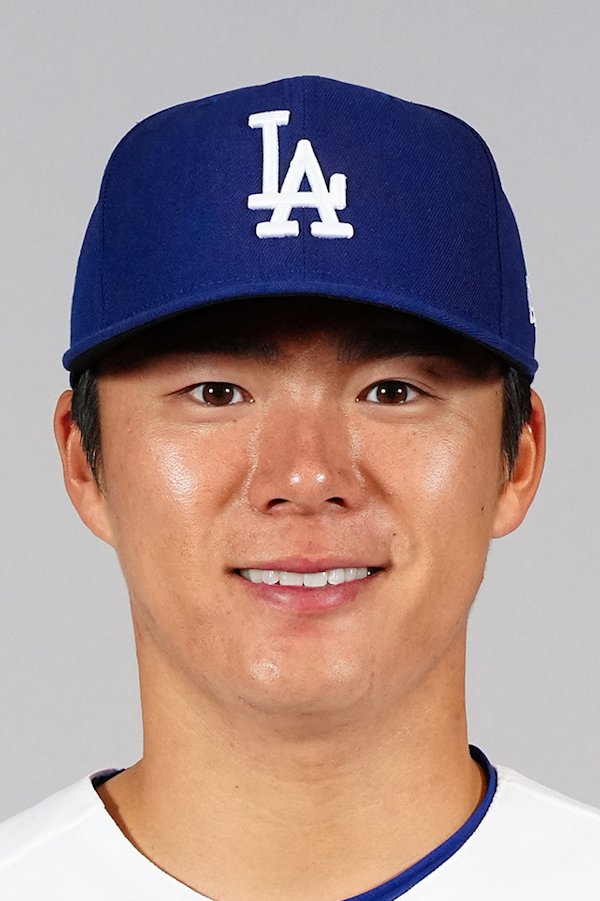
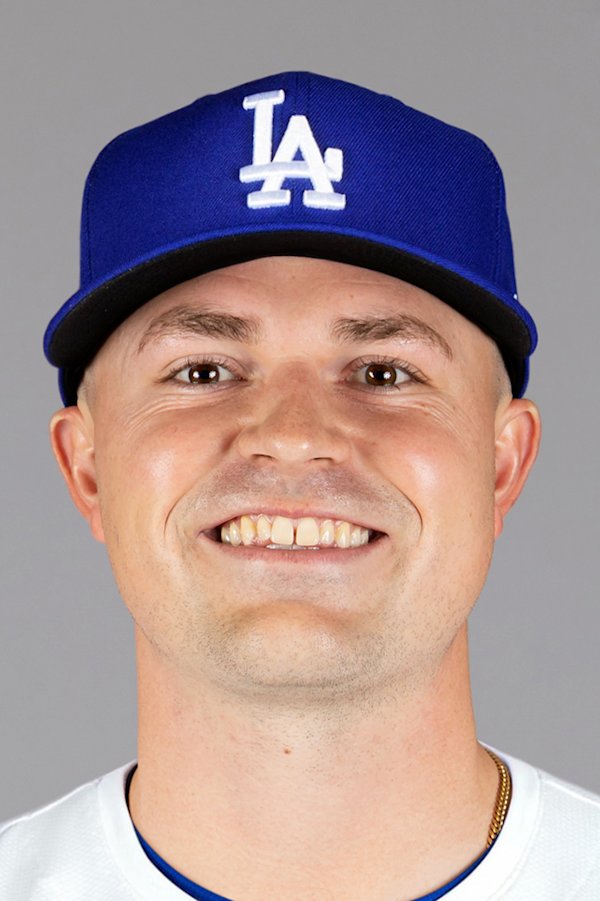
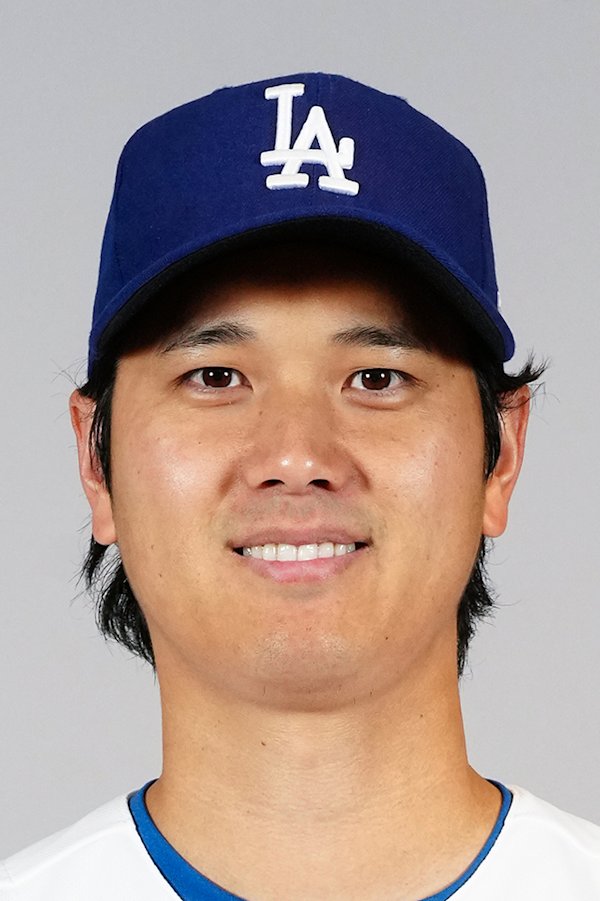
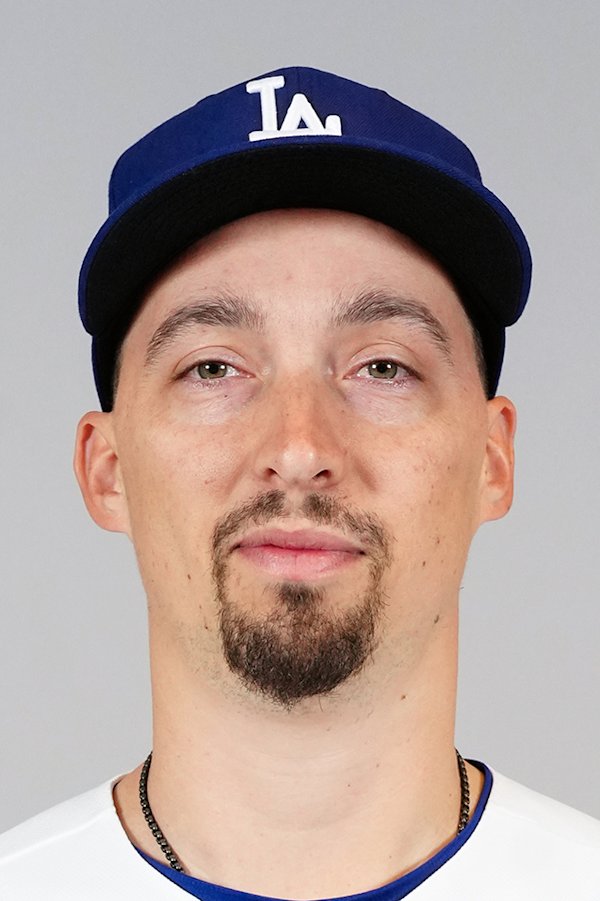
The transaction instantly reset October projections. Fan discussions began laying out rotations with Yamamoto and Skubal as the first two games, followed by combinations of Ohtani and Snell, with Glasnow, Roki Sasaki and Justin Wrobleski becoming absurdly luxurious alternatives depending on health and role.
The Health Caveat Is the Real Story
A graphic can put every ace on one card table. A baseball season cannot guarantee they all take their turn.
As recently as July 23, three of the Dodgers’ four pre-Skubal aces were outside the active rotation. Snell was rehabbing after elbow surgery, Glasnow’s back had slowed his return and Ohtani was being protected while dealing with a knee issue.
That is why Skubal is more than luxury. He reduces the need for Los Angeles to assume perfect health. Snell’s return creates more depth. Glasnow’s eventual availability creates another option. Ohtani no longer has to carry the entire emotional burden of proving he can be both a middle-of-the-order hitter and postseason rotation necessity at the same time.
The five-ace idea is best understood as the Dodgers’ maximum October ceiling. Health, workload and postseason roles will determine how many actually start.
Dodgers Fans Are Already Playing October Poker
That “assuming everyone is healthy” clause has become the running joke and the serious analytical problem at the same time. One fan suggested Yamamoto, Skubal, Ohtani and Snell as the four postseason starters, with Glasnow and Wrobleski providing long relief and Sasaki becoming a bullpen weapon.
Another response summarized the entire absurdity: the assumption of full health is doing more lifting than Atlas.
The Los Angeles Aces Graphic Turns Rotation Depth Into a Card Game
The Los Angeles Aces Shirt takes the most natural visual metaphor available and makes it literal. Pitchers become playing cards; rotation depth becomes a hand of aces.
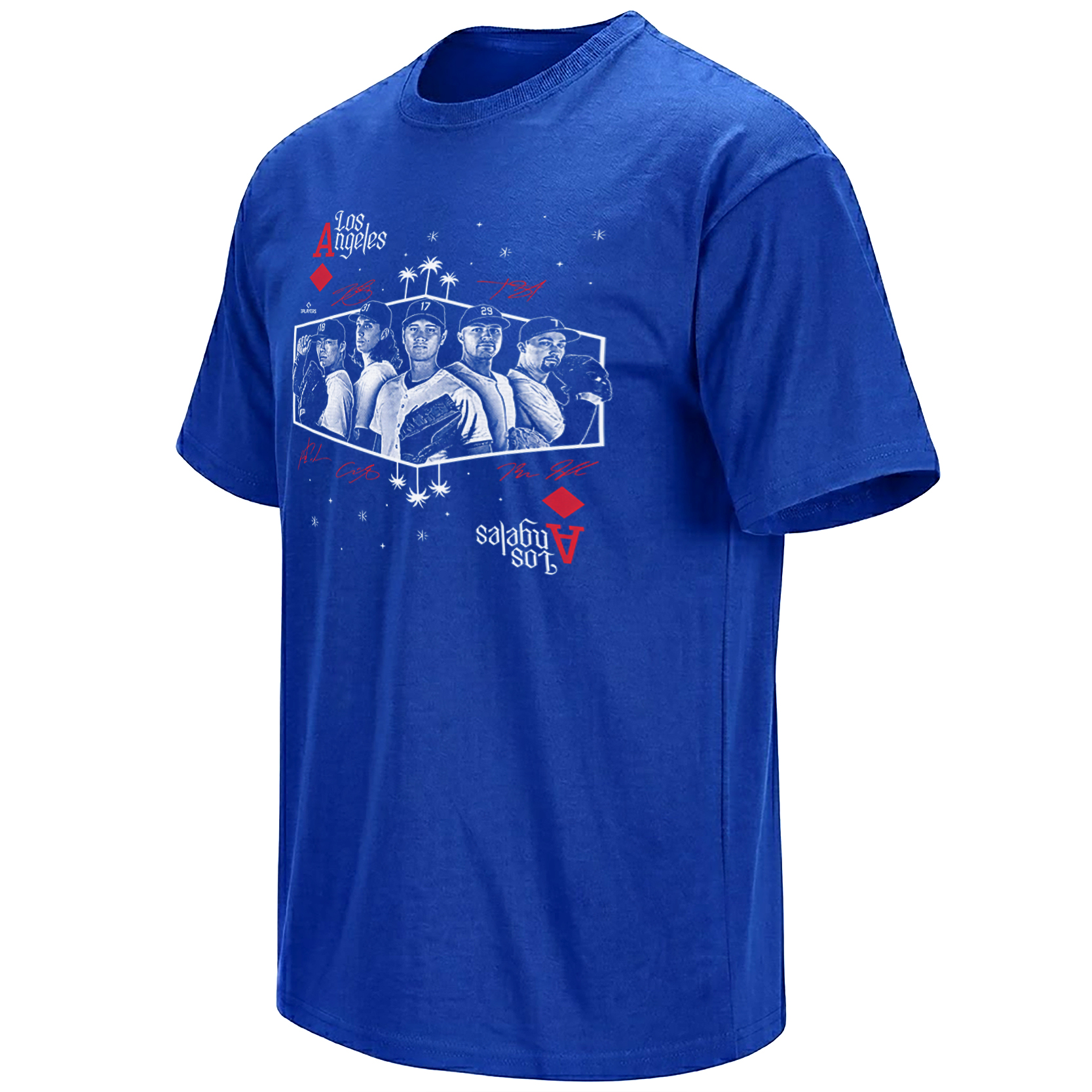
The metaphor is unusually precise. An ace is already baseball language for a frontline starter. Repeating the card across one composition makes the roster-building philosophy visible before the viewer reads a single statistic.
Blue and white provide the Los Angeles identity, while the cream playing-card base gives the design a collectible feel — closer to an old deck, ticket or baseball card than a standard lineup graphic.
A Three-Peat Bid Makes the Excess Feel Rational
Any other team might acquire Skubal and immediately build its entire postseason story around him. Los Angeles can acquire Skubal and ask where he fits among several other award-level starters.
That excess becomes easier to understand when the goal is historic. The Dodgers are chasing a third straight World Series championship. Injuries have repeatedly shown them how quickly rotation depth can disappear. Building past the point of comfort is part of the strategy.
The Los Angeles Dodgers collection has become a visual record of that era of roster maximalism, while the wider MLB collection shows how the 2026 deadline reshaped the league’s competitive conversation.
Frequently Asked Questions
Did the Dodgers acquire Tarik Skubal in 2026?
Yes. Los Angeles acquired Skubal from Detroit around the 2026 trade deadline as part of its push for a third consecutive World Series championship.
Who are the Dodgers’ potential five aces?
A full-strength version can include Yoshinobu Yamamoto, Tarik Skubal, Shohei Ohtani, Blake Snell and Tyler Glasnow, though health and workload determine the actual rotation.
Is Blake Snell returning to the Dodgers rotation?
Snell progressed through rehabilitation after his elbow procedure and was expected back in August, adding another established frontline starter to the rotation mix.
Will all five pitchers start in the playoffs?
Not necessarily. The Dodgers can use only a limited postseason rotation, and health, rest schedules and bullpen strategy may push some starters into different roles.
Why does the Los Angeles Aces design use playing cards?
“Ace” is baseball shorthand for an elite starting pitcher, so the card-deck composition turns the Dodgers’ unusual concentration of frontline arms into a visual joke that fans understand immediately.
The Los Angeles Aces graphic preserves the more outrageous August reality: on paper, the Dodgers can build a pitching hand that contains almost no ordinary cards.
Los Angeles Aces Shirt captures the Dodgers’ extraordinary 2026 pitching ceiling after Tarik Skubal joined a rotation universe already featuring Yoshinobu Yamamoto, Shohei Ohtani, Blake Snell and Tyler Glasnow in a collectible playing-card composition.