
Football Won. The Two Words That Defined Spain’s World Cup
Spain defeated Argentina by one goal, but the internet judged the final through two words. Toni Kroos supplied the phrase. Zlatan Ibrahimović explained the philosophy. The match supplied the evidence.
Toni Kroos did not need a tactical diagram, a long thread or even a complete sentence. Shortly after Spain defeated Argentina in the 2026 World Cup final, the retired Germany and Real Madrid midfielder opened X and posted two words:
“Football won.”Toni Kroos • After Spain 1–0 Argentina
That was enough. The message moved immediately from Kroos’s account into match reports, reaction graphics, fan arguments and screenshots. It worked because it condensed the entire final into a verdict that sounded both obvious and provocative. Spain had won the trophy. Kroos was suggesting that the sport itself had won with them.
The distinction matters. “Spain won” is a result. “Football won” is an interpretation. It asks the reader to decide what kind of football deserves to survive a World Cup final—and whether Spain’s commitment to control, pressure and attacking initiative represented something larger than a national victory.
Football won
— Toni Kroos (@ToniKroos) July 19, 2026
A final won in the 106th minute—but controlled long before it
Spain became world champion on July 19 at New York New Jersey Stadium, defeating the reigning champion after 120 minutes of football. The decisive moment arrived in the 106th minute when substitute Ferran Torres attacked a loose ball in the penalty area and drove his finish beyond Emiliano Martínez.
It was Torres’s first goal of the tournament and unquestionably the most important of his career. Spain had been applying pressure throughout the match, but Martínez kept Argentina level with a succession of saves. The longer the score remained 0–0, the more the final appeared to be moving toward the type of late, chaotic resolution Argentina had been trying to reach.
Torres interrupted that script. His goal delivered Spain its second men’s World Cup title, sixteen years after the triumph of 2010, and completed a tournament in which Luis de la Fuente’s side conceded only one goal across eight matches.
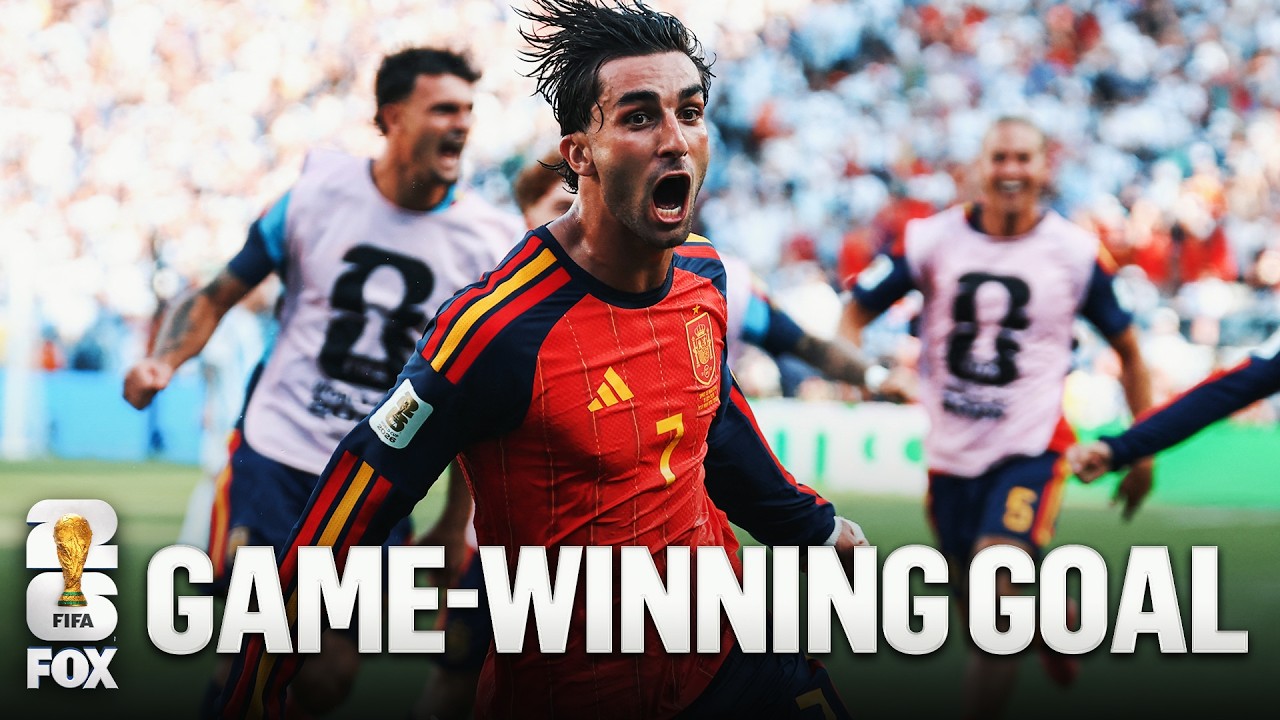
Ferran Torres breaks Argentina’s resistance in the 106th minute, converting Spain’s sustained control into the only goal of the final.
Watch the final highlight →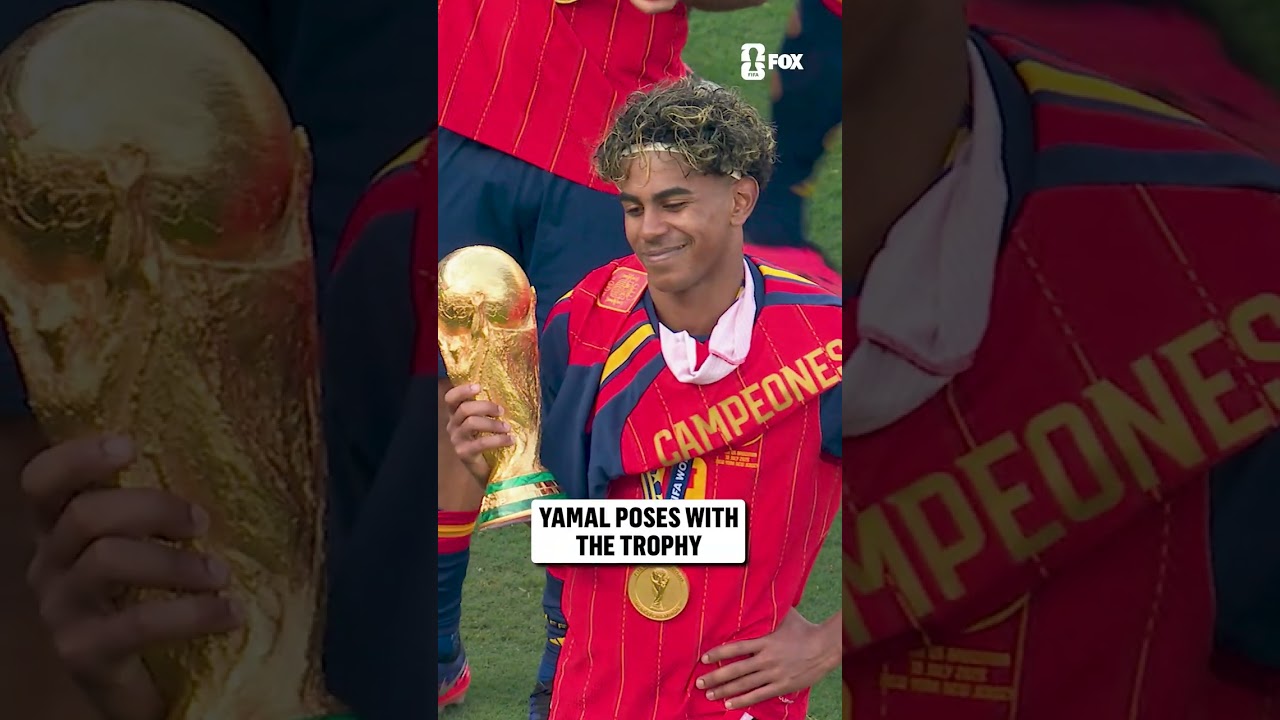
Lamine Yamal’s celebration gave Spain’s victory a second meaning: a young football era had arrived while Lionel Messi’s World Cup story appeared to be closing.
View the trophy moment →What Toni Kroos meant—and what he deliberately left unsaid
Kroos did not publish an explanation. Any attempt to assign one exact meaning to his post therefore requires caution. Yet its timing, the shape of the final and the conversation that followed created three strong interpretations.
Spain remained committed to control, positional structure and territorial pressure rather than abandoning its identity under final-day tension.
The side that repeatedly tried to create the winning moment defeated the side largely focused on surviving it.
Post-match confrontations sharpened the phrase into a judgment about discipline and sporting behavior, although that interpretation came mainly from viewers.
The safest reading is also the strongest: Kroos believed the team playing the more convincing football had been rewarded. The harsher readings—anti-Argentina, anti-Messi or attacks on individual players—were added by fan communities after the post began circulating.
“Football won” is Toni Kroos’s verified wording. Claims that he said Spain “saved football,” attacked Messi or accused Argentina of corruption are interpretations added by other accounts, not part of his original post.
Zlatan turned the two-word post into a football argument
Kroos offered the line. Zlatan Ibrahimović supplied the clearest explanation. Speaking during FOX Sports’ post-match coverage, Zlatan also said that “football won today” and connected the phrase directly to Spain’s style across the tournament.
“Football won today. The way they play football, the way they played in this tournament—when you watch football, this is what you want to see.”Zlatan Ibrahimović • FOX Sports post-final coverage
Zlatan’s point addressed an old football anxiety. Teams that insist on playing through pressure, building attacks and controlling possession are often praised aesthetically but criticized when they fail to win. Pragmatism gets the trophy; idealism gets the sympathetic column written the next morning.
Spain erased that separation. Its football was controlled without being passive, technically ambitious without becoming decorative and defensively dominant without surrendering attacking initiative. The team could protect space and still attempt to decide the match.
That is why “Football Won” expanded beyond Spain supporters. It became available to viewers who believed the final rewarded an idea: a team should be able to pursue control, remain recognizable and still survive the brutal logic of a knockout tournament.
The phrase became sharper because Argentina chose survival
Argentina’s plan was not irrational. Spain had been the tournament’s most coherent side, and Martínez repeatedly demonstrated that a narrow game could remain winnable as long as the score stayed level. The defending champion attempted to compress the match, disrupt Spain’s rhythm and remain alive for one decisive transition or a possible shootout.
But tactics also create aesthetics, and aesthetics shape internet judgment. Spain kept asking the final to open. Argentina kept trying to prevent it from opening. When Torres finally scored, viewers did not see only a goal; many saw an overdue correction.
The post-match scenes intensified that perception. Tempers flared, additional confrontations followed the final whistle and several Argentina figures were criticized for their conduct. Messi was widely treated as an exception after exchanging respectful gestures with opponents, but the larger visual atmosphere made Kroos’s post sound less like celebration and more like a verdict.
“Football Won” is also part of Spain’s recent cultural language
The phrase did not arrive from nowhere. When Rodri received the Ballon d’Or in 2024, he referenced messages telling him that “football has won today.” At the time, those words celebrated recognition for a midfielder whose value lived in positioning, control and collective balance rather than only goals or celebrity.
Two years later, a former control midfielder used an even tighter version after Spain conquered the World Cup. The continuity was irresistible: Rodri embodied the idea, Kroos articulated it and Spain turned it into a championship result.
Yet the 2026 version became larger because it was portable. It could serve as praise, tactical analysis, celebration, mockery or minimalist sportswear language. Two words allowed every football community to supply its own argument.
Three visual editions of the same cultural verdict
The most interesting “Football Won” graphics do not repeat one product three times. Each design captures a different stage in the phrase’s transformation: from Spain’s final whistle, to Kroos’s minimalist post, to the broader memory of the 2026 tournament.

The championship edition connects Kroos’s verdict directly to Spain, the 1–0 final and the national red-and-yellow visual identity.
View the champions edition →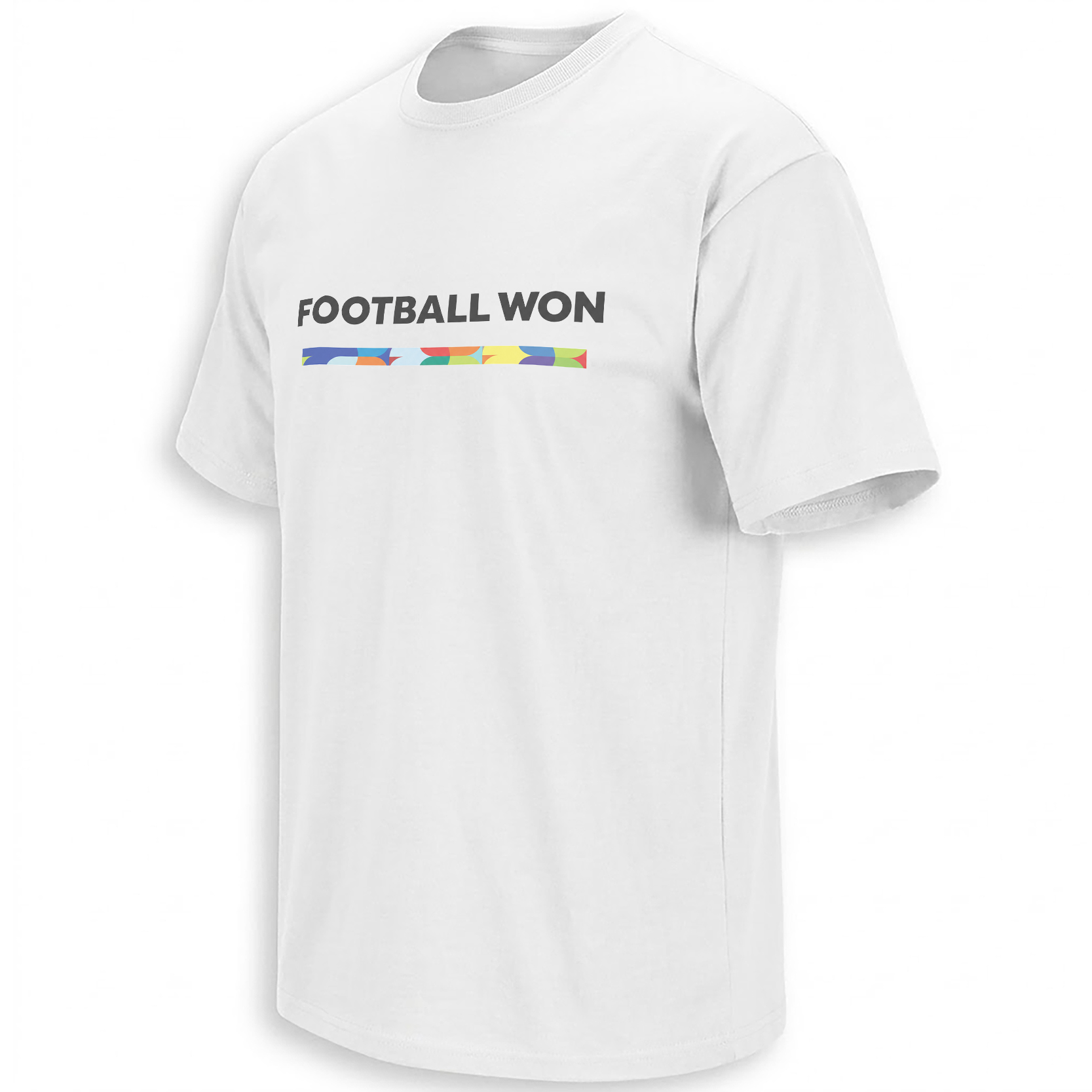
The minimalist edition treats the phrase like a preserved social-media dispatch: sparse, immediate and inseparable from the moment it appeared.
View the minimalist verdict →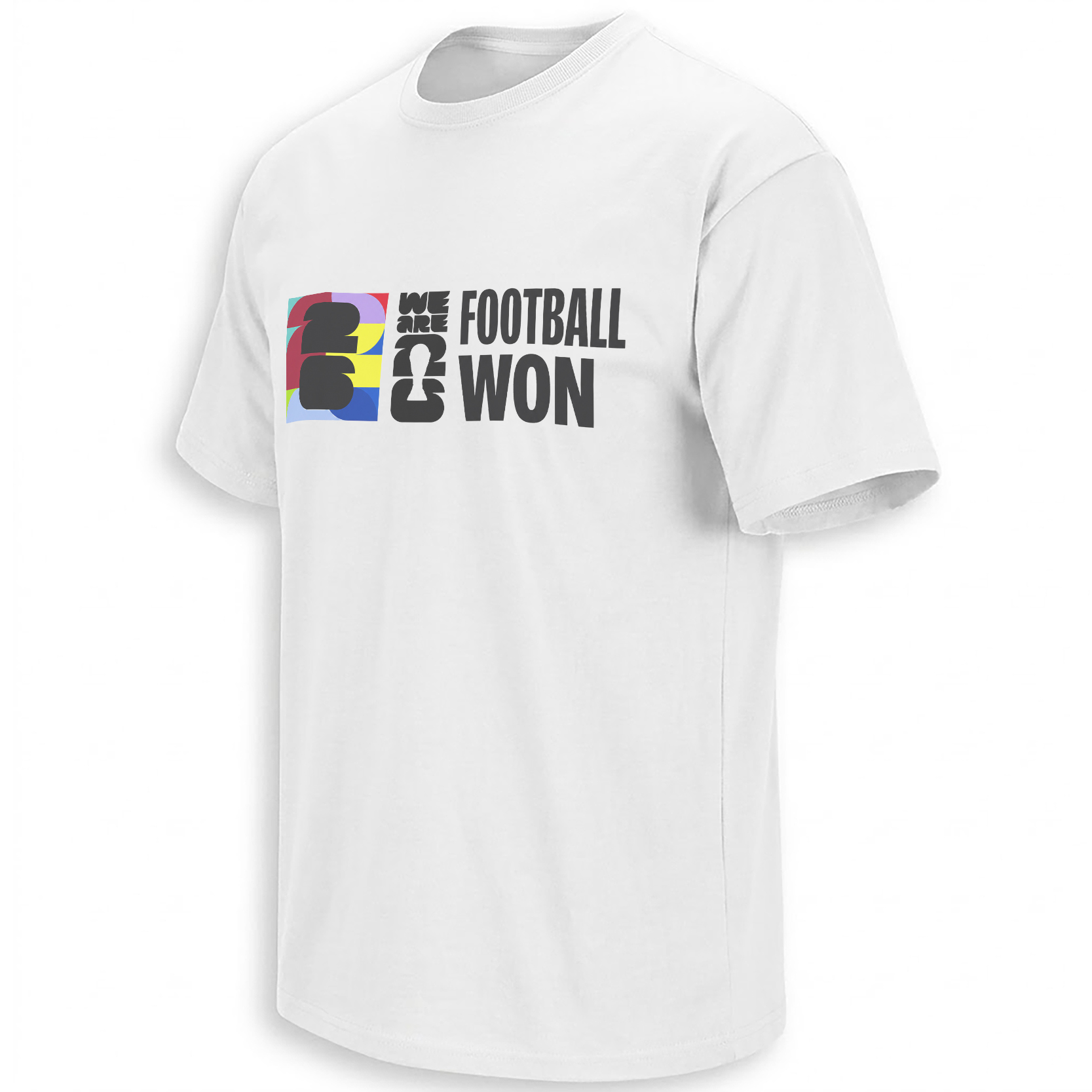
This version widens the frame from one result to an entire tournament generation, turning “Football Won” into the closing statement of summer 2026.
View the cultural edition →Why these designs work as artifacts rather than ordinary victory merch
Traditional championship graphics announce who won. These pieces record how the victory was interpreted. That difference gives them a life beyond the scoreline.
The Spain edition belongs closest to the final itself: Torres’s winner, the trophy, the national colors and the return to the summit after sixteen years. The Toni Kroos edition documents the exact mechanism through which the match became internet language. The We Are 26 edition treats the phrase as the collective closing caption for the tournament.
Together, the three graphics create a compact archive:
Spain became world champion for the second time.
Toni Kroos reduced the cultural argument to two words.
Fans turned those words into the final verdict of World Cup 2026.
That archive continues through Ellie Shirt’s newest cultural designs, where final scores, viral reactions and the visual language surrounding major sports events are documented while the conversation remains active.
Was Kroos praising Spain—or attacking Argentina?
The answer is that his post was deliberately broad enough to do both without explicitly doing either. Kroos did not name Spain, Argentina, Messi or a tactical style. He posted after Spain’s victory, allowing timing to provide the subject.
Commentators such as Zlatan read the phrase as praise for Spain’s football. Rival fans used it as criticism of Argentina’s conservative tactics. Others connected it to the confrontations after the final whistle. Each reading grew from a real part of the event, but only two words belong directly to Kroos.
That ambiguity explains the phrase’s staying power. A more specific statement would have settled the argument. “Football Won” keeps the argument open—and gives every viewer an opportunity to define what football should have meant on the sport’s largest night.
Frequently Asked Questions
Who said “Football won” after the 2026 World Cup final?
Former Germany and Real Madrid midfielder Toni Kroos posted the exact words “Football won” on X shortly after Spain defeated Argentina in the final.
What did Toni Kroos mean by “Football won”?
Kroos did not provide a written explanation. The post was widely interpreted as praise for Spain’s proactive, controlled style and as a contrast with Argentina’s defensive approach.
Did Zlatan Ibrahimović also say that football won?
Yes. During FOX Sports’ post-final coverage, Zlatan said “Football won today” and explained that Spain remained committed to the kind of football viewers wanted to see throughout the tournament.
What was the score of the Spain–Argentina World Cup final?
Spain defeated Argentina 1–0 after extra time on July 19, 2026. Ferran Torres scored the winning goal in the 106th minute.
Why did the phrase become controversial?
Some fans used it as praise for Spain, while others turned it into criticism of Argentina, refereeing debates, defensive tactics or post-match conduct. Kroos’s original post did not specify any of those targets.
Is “Football Won” connected to Rodri’s 2024 Ballon d’Or speech?
There is a cultural connection. Rodri said that friends had told him “football has won today” after his 2024 Ballon d’Or victory, giving the phrase an earlier association with Spanish midfield control and collective football.
What do the three Football Won designs represent?
The Spain edition records the championship result, the Toni Kroos edition preserves the minimalist social-media verdict and the We Are 26 edition frames the phrase as a broader cultural memory of the tournament.
The three “Football Won” pieces preserve different layers of the same night: Spain’s championship conclusion, Toni Kroos’s two-word post and the We Are 26 cultural verdict. Together, they document the moment a final score became football language.
“Football Won” became the defining verdict of Spain’s 2026 World Cup triumph after Toni Kroos posted the two-word message following the 1–0 final against Argentina. Three designs preserve the result, the viral post and the tournament’s cultural memory.