
The Blue Line Overlord: Zach Werenski’s Era of Absolute Dominance in Columbus
Inside the numbers, the heavy minutes, and the cultural anchor defining the 5th Line’s modern defensive blueprint.
The validation didn’t arrive with a sudden burst of lightning; it built over months of shifting edges, subtle stick checks, and neutral-zone outlet passes that made transition hockey look like casual geometry. For years, the hockey world debated the absolute ceiling of the Columbus Blue Jackets’ defensive core. The conversations on Reddit hockey spaces and deep-dive analytical X threads always hovered around potential, heavy workloads, and the friction of playing elite minutes on a rebuilding roster. But in 2026, the noise died down. Zach Werenski didn’t just claim his spot among the elite; he anchored the position with an ice-cold precision that left the rest of the league chasing his tire tracks. The 2026 Defenseman of the Year race wasn’t won in the final weeks—it was decided during the grueling mid-winter stretch where “Big Z” turned Nationwide Arena into a graveyard for opposing rush lanes.
To understand the depth of Werenski’s impact is to look past the box score. While the league tracks secondary assists and power-play deployment, the true hockey purists are watching the structural changes. We are talking about an operational reset. When No. 8 steps onto the ice, the entire geometry of the rink tilts in favor of Columbus. It’s the way he diagnosticates a collapsing forecheck, uses his frame to shield the puck along the low boards, and executes an escape turn that instantly triggers a clean breakout. The fan base in Ohio—the hardcore 5th Line—has watched this evolution from a high-scoring young blueliner into an absolute defensive monolith. He has become the system itself, a visual marker of modern blue line dominance that combines the classic grit of Rust Belt hockey with the sleek, high-speed modern vision demanded by today’s NHL transition games.
“There’s a specific tempo to Columbus hockey when Werenski is eating twenty-six minutes a night. The game doesn’t feel frantic anymore. He controls the gap like an absolute scientist, and the moment a winger hesitates, the puck is already moving North. That’s not just talent; that’s ownership of the modern blueliner position.”
The Anatomy of Big Z: Why Internet Fandom Rejects Generic Accolades
In the digital spaces where real hockey culture breathes—outside the sterile corporate broadcasts—fans have stopped buying into generic marketing narratives. The internet knows the difference between a defenseman who puts up points because of secondary power-play touches and a true blue-line general who absorbs the heaviest matchups in the Eastern Conference. On hockey forums, the nickname “Big Z” isn’t just shorthand; it’s an entity signifying reliability, defensive leverage, and the ability to dictate the physical terms of an entire shift. When the 2026 season hit its critical pivot point, the community sentiment on Reddit began to solidify around a singular truth: Werenski was carrying a burden that would have bent other high-profile defensemen. He wasn’t just surviving; he was turning the defensive zone into an art form.
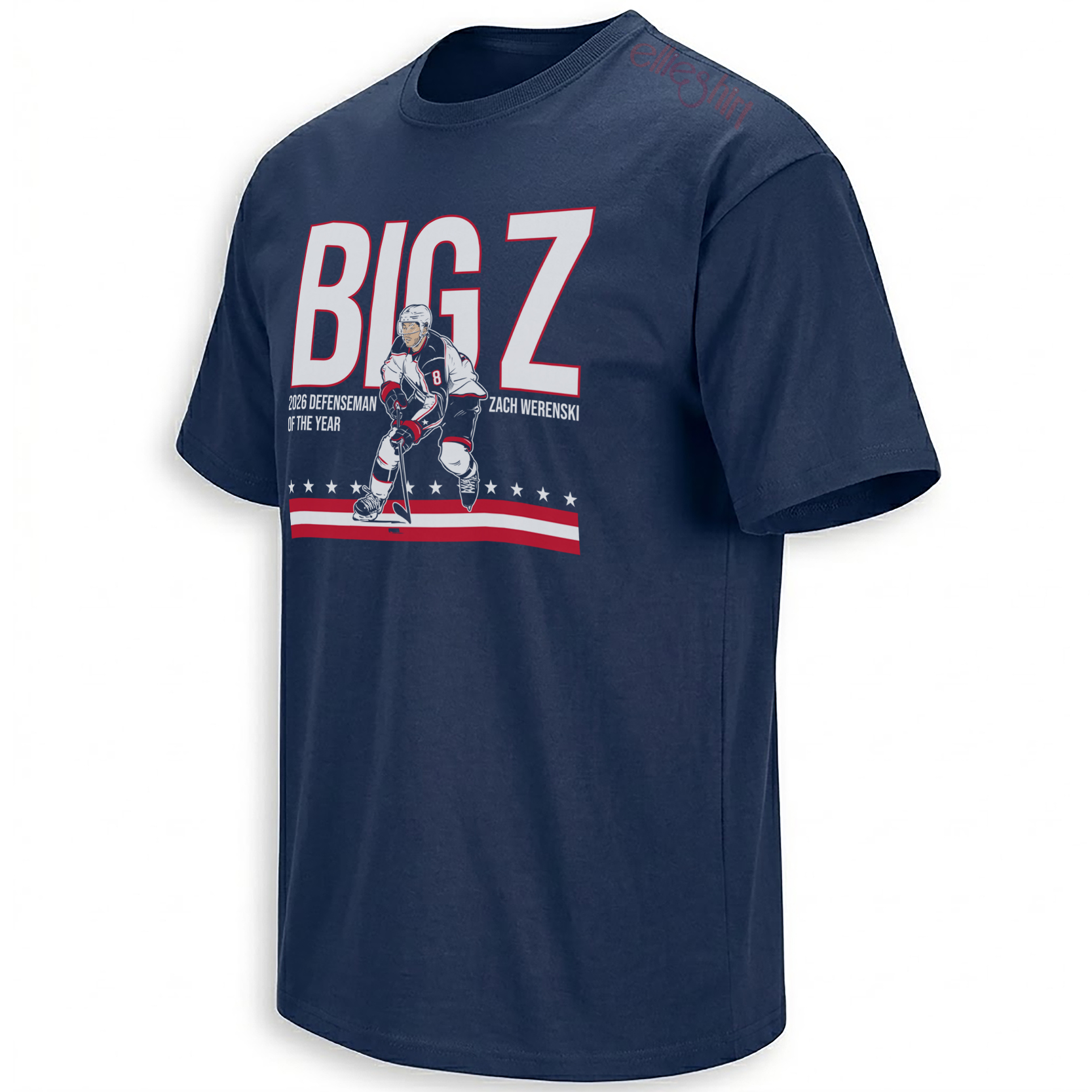
This deep connection between the player’s on-ice stoicism and the identity of the fan base is what gives sports culture its staying power. It’s a subculture born from cold winter nights in downtown Columbus, the booming echo of the arena cannon, and the shared realization that they possess a franchise cornerstone who chose to stay and build. The merchandise fans wear isn’t just a billboard for a logo; it’s an artifact of these exact moments. It’s a physical timestamp of a season where the league could no longer ignore what Ohio already knew. The premium visual layouts seen in local streetwear lifestyle circles mirror this sentiment—clean, bold typography that cuts through the marketing fluff to showcase a singular name that commands respect across every sheet of ice from Montreal to Vancouver.
Nationwide Arena’s Cultural Fabric and the Power of Internal Silos
There is a raw, unmanufactured energy that exists within Nationwide Arena when a homegrown talent achieves legendary status. It’s an insider language spoken only by those who understand the grind of the Metropolitan Division. The 2026 campaign reinforced this narrative on every level. Every time Werenski blocked a heavy shot on a five-on-three penalty kill or coasted behind his own net to freeze an aggressive forecheck, he was adding another layer to the city’s athletic heritage. This isn’t your standard commercial merchandise push; this is about an archival piece of fan history. True supporters look for apparel that tells an authentic story—a piece designed with the structural restraint that matches Werenski’s own tactical approach to the sport.
From an operational standpoint, building out this thematic network requires an understanding of how distinct hockey stories connect. We don’t view these moments in isolation. The dominance of a blue line anchor in Columbus shares an operational DNA with the gritty playoff stories unfolding across other historical hockey cities. Whether it’s the high-pressure environment of the Montreal postseason or the tactical rebuild struggles of regional rivals, the standard of elite defense remains universal. By anchoring these historical connections through structured internal networks, the digital archive ensures that when a fan searches for authentic hockey cultural representation, they find a cohesive, deep-dive narrative that honors the sport’s true subcultures rather than basic marketplace fluff.